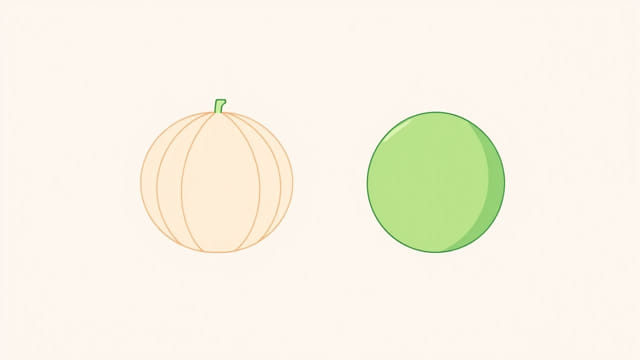
When thinking about fresh fruit salads or healthy snack platters, certain fruits consistently make an appearance. Among these, two of the most common are cantaloupe and honeydew. These melons are not only colorful and sweet, but they also offer a refreshing bite that complements many other fruits. Their mild flavors and juicy textures make them favorites at picnics, hotel breakfasts, catered events, and everyday meals. Often served chilled, they are staples in fruit combinations that aim to balance taste, hydration, and nutritional value.
Understanding the Role of Cantaloupe and Honeydew
What Is Cantaloupe?
Cantaloupe, also known as muskmelon, is a variety of melon with a netted skin and orange flesh. It has a distinct sweet and floral aroma and is known for its high water content. Cantaloupe is rich in vitamin A, vitamin C, and antioxidants, making it both delicious and nutritious. When ripe, its flavor is vibrant and satisfying.
What Is Honeydew?
Honeydew melon is another popular variety characterized by its smooth pale green skin and light green flesh. Compared to cantaloupe, honeydew has a more subtle flavor and a firmer texture. It is also a hydrating fruit, full of vitamin C, potassium, and fiber. Many people enjoy honeydew for its mellow sweetness and ability to balance stronger-flavored fruits in a mix.
Fruit Combinations That Commonly Include Cantaloupe and Honeydew
Classic Fruit Salad
Fruit salads often feature a variety of cut fruits, and cantaloupe and honeydew are foundational ingredients. Their colors, textures, and flavors add visual appeal and contrast to more tart or juicy fruits.
- Strawberries
- Watermelon
- Blueberries
- Grapes
- Pineapple
These melons hold their shape well when cut, making them ideal for salads that need to look good for several hours, such as buffet displays or packed lunches.
Breakfast Platters
Continental breakfasts at hotels and cafés often include slices of cantaloupe and honeydew alongside muffins, croissants, and yogurt. Their light sweetness and refreshing quality make them ideal first-thing-in-the-morning fruits.
- Served with orange juice and coffee
- Paired with cottage cheese or Greek yogurt
- Often accompanied by berries or citrus
Charcuterie and Cheese Boards
Both cantaloupe and honeydew are commonly included in charcuterie boards, especially when paired with salty cured meats and cheeses. Their sweetness contrasts with savory flavors, offering a balance that elevates the tasting experience.
- Cantaloupe wrapped in prosciutto
- Honeydew with soft goat cheese
- Melon cubes served with crackers and nuts
Why Are Cantaloupe and Honeydew So Popular?
Long Shelf Life and Ease of Storage
Compared to many delicate fruits, cantaloupe and honeydew have a longer shelf life when stored properly. Uncut, they can last several days at room temperature or over a week in the refrigerator. Once sliced, they can be kept in sealed containers for convenient use in meals or snacks.
Hydrating and Low-Calorie
These melons are made up of over 90% water, making them perfect for hydration, especially in warmer months. They are also low in calories, making them ideal for those who want a guilt-free sweet treat.
Kid-Friendly and Allergy-Friendly
Cantaloupe and honeydew are generally well-tolerated, making them a great choice for children and those with food sensitivities. Unlike strawberries or nuts, which may trigger allergies, melons are considered safe and gentle on the digestive system.
Tips for Choosing and Serving Cantaloupe and Honeydew
How to Select a Ripe Melon
To ensure the best flavor, it’s important to choose ripe melons:
- Look for a slightly soft feel at the blossom end
- A ripe cantaloupe should have a sweet, musky smell
- Honeydew should feel heavy for its size and may have a waxy surface
- Avoid melons with bruises, cracks, or overly soft spots
Best Ways to Cut and Store
Use a sharp knife to slice melons in half and remove seeds. Then cut into wedges, cubes, or balls depending on presentation. Store in an airtight container in the refrigerator for up to five days. Keeping the pieces dry with a paper towel can help maintain texture.
Creative Serving Ideas
Beyond fruit salad, try these ideas for enjoying cantaloupe and honeydew:
- Add to smoothies for natural sweetness
- Freeze cubes for melon popsicles or chilled drinks
- Grill lightly to enhance sweetness
- Blend into a refreshing summer soup with mint or lime
Nutrition Facts
Cantaloupe
One cup of cubed cantaloupe contains:
- Calories: 53
- Vitamin A: 106% of the daily value
- Vitamin C: 95% of the daily value
- Carbohydrates: 13g
- Fiber: 1.4g
Honeydew
One cup of cubed honeydew contains:
- Calories: 61
- Vitamin C: 34% of the daily value
- Potassium: 8% of the daily value
- Carbohydrates: 15g
- Fiber: 1.4g
These nutritional profiles highlight why cantaloupe and honeydew are both healthful and satisfying. They contribute to hydration, immune support, and skin health, and their natural sugars offer quick energy.
Common Uses in Global Cuisine
Asian Dishes
Honeydew is sometimes used in Asian desserts, such as melon-flavored ice cream, bubble tea, and shaved ice. Its subtle sweetness pairs well with coconut milk, tapioca pearls, and jelly toppings.
European Traditions
In many European countries, cantaloupe is served with cured meats or as part of antipasto. It is also featured in fruit tarts and cold soups during summer.
American Summer Staples
In the U.S., both cantaloupe and honeydew are synonymous with summer. They appear in cookouts, brunch menus, and even infused waters for natural flavor.
Always Welcome in Any Fruit Mix
Cantaloupe and honeydew are not just delicious they are dependable. Whether you’re assembling a colorful fruit salad, designing a brunch buffet, or simply packing a lunchbox, these two melons commonly appear for a reason. Their refreshing quality, attractive color, and nutritional benefits make them essentials in countless culinary settings. Versatile and crowd-pleasing, cantaloupe and honeydew continue to be fruit bowl favorites around the world.