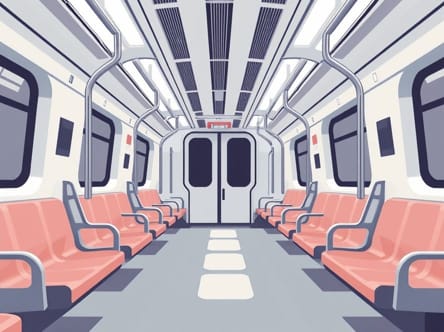
Traveling by train offers a unique blend of comfort, convenience, and scenic views. Whether you’re on a short regional journey or a long-distance overnight trip, understanding the seating arrangement in train coaches can significantly enhance your travel experience. Different trains and countries offer various configurations, each designed to cater to specific passenger needs, ranging from economy seating to luxurious sleeper cabins. Knowing what to expect and how to choose your seat or berth can help you plan better and enjoy the journey more comfortably.
Types of Train Seating Arrangements
Seating Classes in Trains
Trains generally offer multiple classes of seating, each with its own configuration, level of comfort, and pricing. The most common types of seating arrangements found in trains include:
- General/Unreserved Seating: Basic seating with no reservation, often bench-style
- Second Class: Basic reserved seating with simple cushioned seats
- Chair Car: Comfortable seats arranged like an airplane cabin, available in both air-conditioned and non-air-conditioned options
- Sleeper Class: Non-air-conditioned sleeping berths for overnight journeys
- AC 3-Tier: Air-conditioned with three tiers of sleeping berths on either side
- AC 2-Tier: More spacious berths with two tiers, curtains for privacy
- AC First Class: Private cabins with locking doors, ideal for luxurious travel
The choice of seating class largely depends on the budget, travel distance, and desired comfort level. Higher classes offer better amenities and space, while lower classes provide affordable options for short-distance travelers.
Seating Layouts and Their Features
Chair Car Arrangement
Chair cars are usually configured in a 3+2 or 2+2 seating layout. These coaches are ideal for daytime travel and are common in intercity and semi-high-speed trains. Seats are cushioned and have armrests, tray tables, and sometimes reclining features.
- 2+2 Configuration: Two seats on either side of the aisle
- 3+2 Configuration: Three seats on one side, two on the other, found in budget trains
In premium chair cars, you might find better legroom, charging ports, and overhead luggage racks. These arrangements aim to provide maximum seating while maintaining a reasonable level of comfort.
Sleeper Coach Layout
In many long-distance trains, sleeper coaches are the most popular class. Each compartment generally has six berths three on each side plus two side berths across the aisle. These berths can be folded to convert into seating during the daytime and beds at night.
- Lower Berth: Doubles as a bench seat during the day
- Middle Berth: Folded up when not in use
- Upper Berth: Remains fixed for sleeping
- Side Lower: Parallel to the aisle, doubles as seating
- Side Upper: Directly above the side lower berth
This setup maximizes the use of space while allowing passengers to sleep during overnight travel. Sleeper coaches do not have air conditioning but offer windows that can be opened for ventilation.
AC 3-Tier and AC 2-Tier Coaches
These coaches offer similar layouts to the sleeper class but come with air-conditioning and additional amenities. AC 3-Tier coaches have three levels of berths on either side of the aisle, while AC 2-Tier has only two, allowing for more headroom and comfort.
Some distinguishing features include:
- Reading lamps
- Bed linen (provided by the train service)
- Privacy curtains (only in AC 2-Tier and First Class)
- Better maintenance and cleanliness
These coaches are favored by travelers looking for a balance between comfort and affordability on overnight journeys.
First Class AC Cabins
For those seeking luxury, First Class AC cabins offer the most spacious and private seating arrangements in train travel. Cabins can accommodate two or four passengers and come with locking doors, making them ideal for families or business travelers.
Features include:
- Enclosed cabins with sliding doors
- Soft bedding and pillows
- Large luggage space
- Attendants available for assistance
This class is often more expensive but provides an experience closer to that of a hotel room on rails.
Seat Numbering and Positioning
Understanding the logic behind seat numbering helps in choosing preferred seats. In most trains, seat numbers are labeled on the reservation chart and inside the coaches. The numbering follows a standard system that reflects berth type and position.
- Odd-numbered berths are usually lower or side-lower
- Even-numbered berths are middle or upper
- Coach codes (like S1, B2, A1) indicate the type of class and coach position
Many train services now allow you to select your seat during booking, so knowing the layout helps you reserve a spot that suits your preference whether you prefer a window seat, lower berth, or extra legroom.
Tips for Choosing the Right Seat
Whether traveling alone or with a group, seat selection can make or break your journey. Here are some helpful tips when choosing seats in a train:
- Lower berthsare easier for elderly or passengers with mobility issues
- Upper berthsoffer more privacy during nighttime travel
- Side berthsprovide a quieter experience and are good for solo travelers
- Window seatsoffer better views and ventilation in non-AC classes
- Middle berthsare best avoided if you want more comfort and flexibility
In high-traffic seasons or on popular routes, booking early gives you better options and ensures you’re not separated from your group or assigned an uncomfortable seat.
Modern Developments in Train Seating
Railway authorities in many countries are upgrading their coaches to offer improved comfort and technology. Trains now feature ergonomic seats, touchless controls, Wi-Fi, and mobile charging points. Some even have rotating or reclining seats that mimic airline comfort. Future plans for high-speed rail may bring modular seating and intelligent layouts that adapt to passenger needs.
In countries like Japan and France, bullet trains offer advanced seating arrangements with reclining mechanisms, tray tables, and luggage compartments that enhance long-distance travel comfort significantly.
The seating arrangement in train travel plays a vital role in shaping your overall experience. From the simplicity of bench seats in general class to the elegance of private cabins in first-class AC, every configuration serves a specific purpose. Understanding these layouts helps you make informed choices, avoid discomfort, and get the most out of your journey. Whether you prioritize legroom, sleep quality, or window views, there’s a perfect seat waiting for you on the next train ride. As rail travel continues to evolve, so will the ways we sit, sleep, and experience the journey.