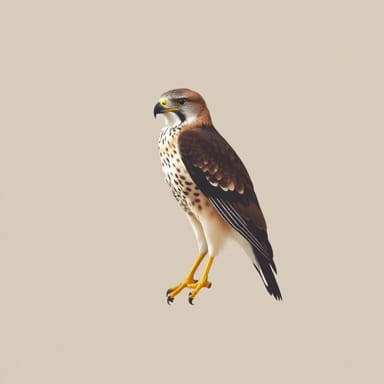
Found flitting through dense forests or darting around backyard feeders, the sharp-shinned hawk is a small but agile bird of prey known for its swift movements and fierce hunting style. Its behavior fascinates birdwatchers and ecologists alike. Understanding sharp-shinned hawk behavior helps not only in appreciating this raptor’s survival strategies but also in grasping its place within the broader ecosystem. From hunting techniques to territoriality and migration, the daily life of the sharp-shinned hawk reflects a delicate balance of instinct, adaptability, and efficiency.
Physical Characteristics That Shape Behavior
Size and Structure
The sharp-shinned hawk (Accipiter striatus) is the smallest hawk in North America, typically measuring between 9 to 13 inches in length. This compact body allows for remarkable speed and maneuverability. Its short, rounded wings and long tail are specifically adapted for navigating through thick vegetation with agility. These physical traits directly influence its hunting and flight behavior.
Plumage and Camouflage
Adult sharp-shinned hawks display bluish-gray upperparts and pale, reddish-barred underparts. This plumage provides excellent camouflage in woodland habitats, enabling stealthy approaches to unsuspecting prey. Their sharp eyesight complements their color pattern, allowing them to detect motion even from a distance.
Feeding and Hunting Behavior
Preferred Prey
Sharp-shinned hawks primarily feed on small birds, especially songbirds like sparrows, warblers, finches, and chickadees. Their diet may also include small mammals such as mice and voles, as well as insects and occasionally reptiles. However, their primary strategy and body design are centered around avian prey.
Hunting Strategy
Unlike soaring hawks that use thermal currents, sharp-shinned hawks hunt by surprise. They rely on sudden ambushes, flying low through cover and bursting upon prey with great speed. Their flight is characterized by a series of quick flaps followed by short glides. They often pursue prey into bushes or even strike at feeders, where birds are momentarily distracted.
Feeding Habits
Once captured, the prey is carried to a secluded perch where the hawk plucks and consumes it. Sharp-shinned hawks are solitary feeders, and their hunting success depends on stealth and timing. They may hunt several times a day, depending on the availability of food and their metabolic needs.
Territoriality and Nesting Behavior
Nesting Sites
Sharp-shinned hawks typically nest in dense coniferous or mixed forests. They prefer secluded areas where human disturbance is minimal. The nest is usually built high in a tree, hidden among thick branches. Both males and females participate in nest building, using twigs and lining the interior with bark and softer material.
Breeding Season
The breeding season for sharp-shinned hawks begins in spring. Males perform aerial displays to attract females, including high circling flights and dives. Once paired, the male provides food to the female during the incubation period. She incubates the eggs usually 3 to 5 for about 30 days while the male hunts.
Parental Roles
After hatching, both parents are involved in feeding the young. The female stays with the chicks while the male delivers prey. As the chicks grow, the female joins in hunting. The fledglings begin flying around 4 weeks after hatching but remain dependent for several more weeks before becoming fully independent.
Migratory Patterns and Seasonal Behavior
Fall Migration
Sharp-shinned hawks are migratory, with many northern populations moving south in fall. They are one of the most common raptors seen at hawk migration sites in North America. Migration is triggered by shortening daylight hours and decreasing prey availability.
Flight Formation and Strategy
During migration, these hawks often travel alone but may concentrate in large numbers at migration bottlenecks, such as mountain ridges and coastlines. They use updrafts and thermals sparingly due to their flap-glide flight pattern. They prefer low-level flights and may rest frequently between hunting attempts along the journey.
Winter Behavior
In winter, sharp-shinned hawks may be seen in suburban areas, taking advantage of backyard bird feeders. This opportunistic behavior allows them to survive periods when wild prey is scarcer. Their adaptability to urban settings is a notable aspect of their seasonal behavior.
Social and Aggressive Behavior
Solitary Nature
Sharp-shinned hawks are solitary outside the breeding season. They maintain large territories during nesting and may react aggressively to intruders. Their secretive behavior makes them difficult to observe in the wild, especially in forest interiors.
Interaction with Other Birds
Because they are bird hunters, sharp-shinned hawks are often feared by other avian species. Birds may use alarm calls or mobbing tactics to deter hawks from hunting in their territory. Occasionally, sharp-shinned hawks may fall victim to larger raptors like Cooper’s hawks or peregrine falcons, especially during migration.
Adaptability and Urban Encounters
Presence in Residential Areas
In recent decades, sharp-shinned hawks have become more visible in suburban and even urban areas, especially during winter months. Their presence at bird feeders is both admired and controversial. While birdwatchers enjoy observing them up close, others dislike the predation on songbirds they attract.
Adjusting to Human Proximity
Despite their wariness, sharp-shinned hawks demonstrate a remarkable ability to adjust to human presence. They may nest near towns if undisturbed and find hunting opportunities in manicured parks, cemeteries, or large gardens with cover and prey.
Conservation and Observation
Status and Threats
Currently, the sharp-shinned hawk is listed as a species of least concern, though its population trends vary by region. Key threats include habitat loss due to deforestation, window collisions, and pesticide exposure. As forest-dwelling hunters, they are particularly sensitive to disruptions in their breeding habitats.
Birdwatching Tips
Spotting a sharp-shinned hawk can be a thrilling experience. Birdwatchers should look for:
- Fast, low-flying raptors zipping through wooded areas
- Birds perched quietly near forest edges or feeders
- Sharp alarm calls from small birds indicating a nearby predator
Hawk watches during fall migration offer prime opportunities to observe these hawks in flight, especially along mountain ridges or at coastal migration points.
The Agile Hunter of the Woods
Sharp-shinned hawk behavior reflects a fascinating blend of stealth, speed, and precision. Their hunting style, migratory movements, and solitary lifestyle all contribute to their unique role in the avian food web. Though small in size, they are fierce and efficient predators whose presence helps control songbird populations and maintain ecological balance. Observing these elusive raptors in the wild or even near your backyard offers a window into the complex and dynamic life of one of North America’s most agile birds of prey.