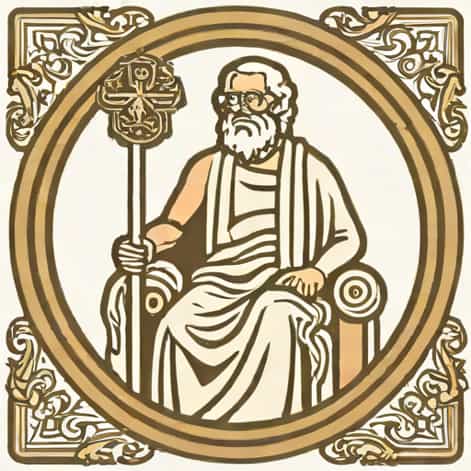
Aesculapius is a prominent figure in ancient mythology, often revered as the god of medicine and healing. His influence is evident in the symbols of modern medicine, such as the staff with a serpent entwined around it, which represents his legacy. Understanding the origins of Aesculapius, including who his father was, provides insight into the rich tapestry of Greek and Roman mythology, where gods, mortals, and legendary figures often intersected. This topic delves into the parentage of Aesculapius, the myths surrounding his birth, his role in medicine, and his enduring impact on culture and health practices.
The Parentage of Aesculapius
In Greek mythology, Aesculapius, also known as Asclepius in Greek tradition, was considered the son of Apollo, the god of light, prophecy, music, and healing. Apollo, one of the twelve Olympian gods, was associated with many domains, including archery, music, and medicine, which he passed down to his son. According to myth, Apollo fathered Aesculapius with a mortal woman named Coronis, a princess from Thessaly. This union of a god and a mortal is a common motif in mythology, emphasizing the combination of divine abilities and human experience.
Mythological Story of Aesculapius’ Birth
The story of Aesculapius’ birth is filled with drama and divine intervention. Coronis, while pregnant with Aesculapius, was unfaithful to Apollo. Upon discovering this betrayal, Apollo, enraged, sent his twin sister Artemis to punish Coronis. However, before her death, Coronis gave birth to Aesculapius. In some versions of the myth, Apollo rescued the unborn child from Coronis’ womb, ensuring that Aesculapius would survive and inherit his father’s gifts of healing and wisdom. This dramatic birth story highlights the divine nature of Aesculapius and foreshadows his extraordinary abilities as a healer.
Role and Powers of Aesculapius
As the son of Apollo, Aesculapius inherited remarkable powers related to medicine and healing. He was renowned for his ability to cure diseases and, according to some myths, even had the power to raise the dead. This extraordinary skill caused concern among the gods, particularly Hades, who feared that humans would no longer respect the natural order of life and death. Ultimately, Zeus, the king of the gods, struck Aesculapius down with a thunderbolt to maintain balance in the world. Despite this, Aesculapius was immortalized and revered as the god of medicine, symbolizing the divine origin of healing knowledge.
Symbols and Worship
Aesculapius’ legacy is preserved through symbols and temples dedicated to his worship. The most recognizable symbol is the Rod of Asclepius, a staff with a single serpent entwined around it, representing rejuvenation and healing. Temples, known as Asclepieia, were established throughout ancient Greece, where people would seek cures for their ailments through rituals, prayers, and medical treatments. These temples often served as early centers for medical learning, blending spiritual and practical approaches to healing, reflecting the influence of Aesculapius and the divine guidance inherited from his father, Apollo.
The Influence of Apollo on Aesculapius
As Aesculapius’ father, Apollo played a crucial role in shaping his abilities and purpose. Apollo’s association with prophecy and medicine meant that Aesculapius not only healed physical ailments but also possessed knowledge of divine wisdom and insight. This connection between father and son underscores the importance of divine lineage in mythology, where the powers and responsibilities of gods are often transmitted to their offspring. Through Apollo, Aesculapius gained the authority to establish healing practices that combined both divine inspiration and human knowledge.
Legacy in Ancient Medicine
Aesculapius’ connection to Apollo contributed to the advancement of ancient medicine. Temples dedicated to Aesculapius were centers for both spiritual and physical healing, where priests acted as physicians. Treatments often included dietary recommendations, herbal remedies, and therapeutic practices such as bathing and massage. The guidance of Aesculapius, inspired by his divine parentage, laid the foundation for organized medical care and influenced medical thought in later civilizations, including the Romans, who adopted many Greek practices and honored Aesculapius as their god of healing.
Cultural Significance and Impact
The story of Aesculapius and his father Apollo has had a lasting impact on art, literature, and medicine. Depictions of Aesculapius holding his serpent staff appear in ancient sculptures, coins, and mosaics, symbolizing health and divine protection. His myth inspired medical terminology, hospital names, and professional symbols that persist to this day. The narrative of divine heritage, with Apollo as the father, emphasizes the belief that knowledge and skill, especially in medicine, are gifts that can bridge the human and divine realms.
Lessons from the Myth
The mythology surrounding Aesculapius and Apollo conveys several important lessons. It highlights the interplay between divine power and human experience, illustrating that healing is both a spiritual and practical endeavor. The story also reflects moral and ethical themes, such as responsibility, the consequences of defiance, and the balance between life and death. By understanding that Apollo was the father of Aesculapius, we gain insight into how ancient cultures viewed the origins of medicine as a sacred and inherited gift, bridging gods and humans.
Modern Relevance
Today, Aesculapius remains a symbol of medicine and healing, while Apollo is remembered as a source of inspiration and divine wisdom. The Rod of Asclepius continues to be used by medical organizations worldwide, emphasizing the enduring influence of their mythological connection. Understanding the parentage of Aesculapius enriches our appreciation of the historical and cultural roots of medical practice, highlighting the integration of mythology, religion, and practical knowledge in shaping early healthcare systems.
Summary of Key Points
- Aesculapius, the god of medicine, was the son of Apollo, the Olympian god of healing, prophecy, and light.
- His mother, Coronis, was a mortal, which made Aesculapius a demigod with extraordinary healing powers.
- The myth of Aesculapius’ birth illustrates divine intervention and the transmission of abilities from father to son.
- Aesculapius inherited Apollo’s association with medicine, enabling him to establish healing temples and influence ancient medical practices.
- The Rod of Asclepius and other symbols continue to represent medicine, showing the enduring legacy of both Aesculapius and Apollo.
The father of Aesculapius was Apollo, one of the most powerful and versatile gods of Greek mythology. This divine relationship provided Aesculapius with his extraordinary healing abilities and positioned him as a central figure in the history of medicine. The myths surrounding their connection illustrate how divine parentage was believed to confer exceptional skills and responsibilities. Through temples, symbols, and cultural references, the influence of Apollo and Aesculapius has persisted for centuries, bridging mythology and medicine. Understanding this relationship enhances our appreciation of ancient beliefs, the origins of healing practices, and the cultural significance of one of history’s most important mythological figures.