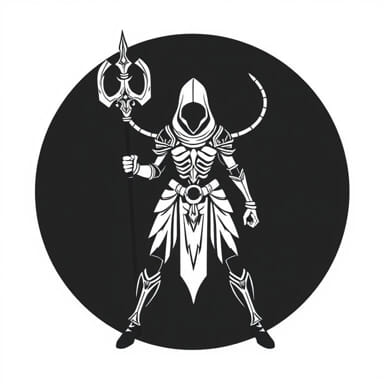
The term Sisyphean Insurrectionist Full Body evokes a rich tapestry of imagery and metaphor that intertwines concepts of eternal struggle, rebellion, and embodiment. This phrase can be explored on multiple levels, from philosophical interpretations rooted in myth to artistic or cultural expressions. Understanding its meaning requires delving into the myth of Sisyphus, the notion of insurrection, and how the idea of full body adds layers of physicality and completeness to the concept. Together, these elements create a powerful metaphor for unending resistance and the human condition.
The Myth of Sisyphus: Eternal Struggle and Futility
The foundation of the term lies in the ancient Greek myth of Sisyphus. Condemned by the gods to roll a massive boulder up a hill only for it to roll back down each time he neared the summit, Sisyphus represents the epitome of futile labor and endless struggle. This myth has long been interpreted as a symbol of human perseverance in the face of seemingly pointless or repetitive challenges.
Philosopher Albert Camus famously used the myth as an allegory for the absurdity of life in his essay The Myth of Sisyphus. Camus argued that while the task may seem meaningless, the human spirit’s ability to find meaning through rebellion against absurdity is a triumph. This perspective casts Sisyphus not as a tragic figure but as a heroic insurrectionist against despair.
Insurrectionist: Rebellion and Resistance
The word insurrectionist adds a dynamic layer of defiance and revolution to the Sisyphean struggle. An insurrectionist actively resists authority, challenges the status quo, and fights for change, often against overwhelming odds. When combined with the Sisyphean theme, it suggests a figure or force engaged in a never-ending fight against oppression or futility.
This kind of insurrection is not a simple rebellion with clear victories but rather a persistent, ongoing resistance. It embodies the spirit of refusing to give up despite repeated setbacks much like Sisyphus’s endless task. It speaks to the human desire to assert agency and identity even in conditions that seem predetermined or harsh.
Full Body: Embodiment and Completeness
Adding full body to the phrase introduces the concept of totality and physical presence. It suggests that this insurrectionist is not merely an abstract idea but a complete, embodied being who carries the weight of their rebellion in every aspect of existence. The full body indicates holistic involvement mind, spirit, and flesh united in the act of resistance.
This element can be interpreted artistically, symbolizing the intensity and completeness of the struggle. The physicality implied may represent endurance, the scars of conflict, and the visceral reality of fighting a Sisyphean battle. It reminds us that rebellion is not just intellectual or emotional it is also experienced bodily, in sweat, pain, and persistence.
Symbolism and Interpretation in Art and Culture
The phrase Sisyphean Insurrectionist Full Body resonates deeply in various creative fields. In literature, it may describe characters who embody relentless defiance despite overwhelming odds. In visual arts, it could be depicted through sculptures or paintings showing figures burdened yet determined, representing unyielding spirit.
In performance arts or dance, a full body portrayal of such a figure might involve movements conveying struggle, tension, and resolve, giving audiences a physical sense of eternal resistance. This embodiment allows for a profound connection to the universal themes of human perseverance and rebellion.
Philosophical and Psychological Perspectives
From a philosophical standpoint, the Sisyphean insurrectionist challenges nihilism by embracing struggle as an act of meaning-making. The concept pushes against despair by emphasizing that the value lies not in the success or failure of the task but in the act of continuing to fight.
Psychologically, this idea reflects resilience and the human capacity to endure hardship. The full body notion aligns with holistic wellness, where mind and body are engaged in overcoming adversity. It suggests that true resistance requires complete presence and commitment, a lesson applicable to many aspects of life.
Relevance to Modern Contexts
In today’s world, the concept of a Sisyphean insurrectionist with a full body can be applied metaphorically to social movements, personal struggles, and even everyday challenges. Activists fighting systemic injustices often face setbacks but persist regardless. Individuals battling chronic illnesses, mental health issues, or difficult circumstances embody this relentless spirit as well.
This metaphor encourages embracing the struggle as an essential part of growth and identity. It reminds us that resistance and rebellion are ongoing processes, often without neat conclusions, but full of significance.
Practical Lessons and Takeaways
- Endurance Matters: Like Sisyphus, persistence through difficulty is a form of strength.
- Rebellion is Multifaceted: Insurrection is not just confrontation but also an inner act of self-assertion.
- Embodiment Enhances Experience: Engaging fully mind and body in challenges leads to deeper understanding and resilience.
- Meaning is Found in the Act: The struggle itself, regardless of outcome, carries meaning and value.
- Universal Connection: The Sisyphean insurrectionist symbolizes a shared human experience of battling adversity.
Embracing the Sisyphean Insurrectionist Within
The Sisyphean Insurrectionist Full Body is more than a phrase it is a profound metaphor for the human condition. It encapsulates the ongoing battle against futility and the refusal to surrender to despair. By understanding this concept, we can better appreciate the power of persistence, rebellion, and total embodiment in our own lives. Whether viewed through myth, philosophy, art, or everyday reality, this idea challenges us to embrace struggle as a path to growth, identity, and meaning.