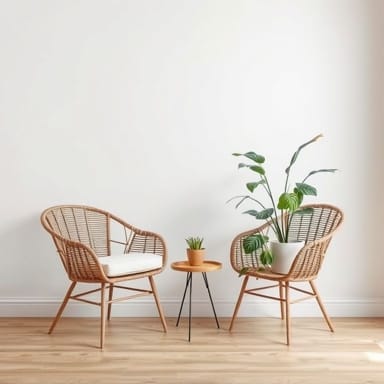
Wickerwork furniture has a long and rich history that weaves together functionality and natural aesthetics. Known for its lightweight, durable, and stylish qualities, wicker furniture is made using a variety of plants that are flexible yet strong enough to be woven into intricate patterns. If you’ve ever encountered a crossword clue like Plants used in wickerwork furniture in publications such as the New York Times, you’ve likely been searching for the names of those essential raw materials that form the backbone of this traditional craftsmanship.
Understanding Wickerwork and Its Botanical Foundations
Before diving into the list of specific plants, it’s helpful to understand what ‘wickerwork’ really means. Wickerwork refers to the technique of weaving pliable plant materials into rigid forms, typically for making furniture or baskets. It doesn’t refer to a plant or material itself, but to the process of weaving. The raw materials are usually derived from specific plants chosen for their strength, flexibility, and ease of handling.
Why Plants Are Ideal for Wicker
The most effective plants for wickerwork are those that possess a balance of tensile strength and pliability. This allows artisans to bend and twist the strands without breaking them, while still maintaining structural integrity. Over centuries, various cultures around the world have used local plant resources to craft wicker furniture, adapting their techniques to the materials available.
Common Plants Used in Wicker Furniture
Several types of plants are commonly used in wicker crafting. These include rattan, willow, bamboo, reed, and cane. Each has its own unique properties and cultural significance.
- Rattan A climbing palm native to tropical regions, especially Southeast Asia. It’s one of the most widely used materials for modern wicker furniture.
- Willow Often used in traditional European wickerwork, willow branches are flexible and strong.
- Bamboo Popular in Asian designs, bamboo offers a sleek, smooth texture and is highly durable.
- Reed This plant has a soft core and is typically used in finer weaving, such as in basketry.
- Cane Often derived from the outer bark of rattan, cane is used for binding and finer details.
Rattan: The Iconic Wicker Material
Rattan is perhaps the most commonly identified plant when it comes to wicker furniture. The long, vine-like stems of rattan are harvested, peeled, and treated before being woven into furniture frames or surfaces. Rattan is appreciated for its natural look and strength, making it a staple in both vintage and modern design.
Its natural flexibility allows it to be curved and shaped into elegant forms without cracking. In crossword puzzles, especially those in the New York Times, Rattan often appears as a six-letter solution to clues related to wicker furniture plants.
Willow: A European Favorite
Willow twigs have long been used in European wicker traditions, particularly in rural and rustic designs. Known for their slim profile and flexibility, willow branches are ideal for tight weaves. They’re often used in baskets, chairs, and even fences.
Willow furniture has a natural appeal and ages beautifully, gaining character over time. While Willow is also six letters and may appear in crosswords, its usage is typically more historical or traditional in tone.
Bamboo: Lightweight and Strong
Bamboo, technically a grass, is another popular material in wicker furniture. It is especially favored in Asian cultures and contemporary designs. Its tubular structure gives it high strength with very little weight. Unlike rattan or willow, bamboo is not always woven; instead, it’s often used in combination with woven materials.
Bamboo’s eco-friendliness and rapid growth make it an increasingly popular material. Its crossword clue appearance is less frequent but still significant in plant-themed puzzles.
Reed and Cane: The Supporting Cast
Reed is harvested from marshes and is typically used in more delicate applications. Cane, derived from the rattan plant, is split from the outer skin and used for binding edges or creating decorative patterns.
While these materials are crucial to the craft, they often take a backseat to rattan and willow in both crossword clues and furniture construction. However, they may appear as answers in puzzles looking for four-letter or five-letter solutions.
Plant Names in Crossword Clues
In crossword puzzles, especially those from the New York Times, clues like Plants used in wickerwork furniture typically expect succinct, precise answers. The following are the most likely solutions:
- Rattan A classic six-letter solution to many wicker-related clues.
- Willow Another six-letter option, especially in European-style clue sets.
- Cane A common four-letter answer related to finer wicker detailing.
Strategies for Solving These Clues
When attempting to solve a clue about wickerwork plants, consider the number of letters and surrounding answers. Here are some tips:
- Look at the crossing clues to find matching letters.
- Consider regional references: Asian-themed puzzles may lean toward bamboo, while Western ones may hint at willow or rattan.
- Note the tense and grammar of the clue. If it says used in or material from, it could point to the processed version of the plant (like cane).
The Craftsmanship Behind Wickerwork
Beyond puzzles, it’s worth appreciating the artisanship that goes into making wicker furniture. Traditional wickerwork is a labor-intensive process that requires understanding the material’s properties, soaking and bending it correctly, and weaving with precision.
Many handmade wicker pieces can last for decades when properly maintained. The use of natural plants also contributes to sustainability in furniture design, as these materials are renewable and biodegradable.
Whether you’re solving a challenging crossword puzzle or selecting furniture for your home, knowing the plants used in wickerwork provides a deeper appreciation for the craft. Rattan, willow, bamboo, reed, and cane each bring unique qualities to woven designs and frequently appear in clues from publications like the New York Times. Understanding these materials can give you an edge in puzzle solving and a richer connection to timeless furniture styles rooted in nature.