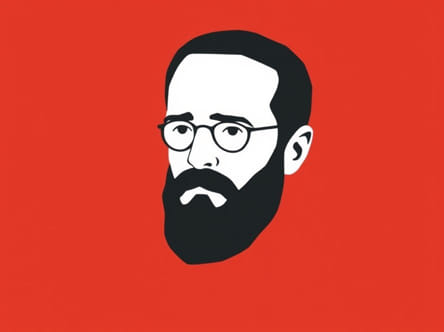
The name Dostoevsky often creates uncertainty for English speakers unfamiliar with Russian pronunciation patterns. This legendary Russian novelist, Fyodor Dostoevsky, has a name that looks complicated at first glance. Many people who admire his literary works feel unsure when trying to say his name aloud. However, with a little guidance and understanding of phonetics, you can pronounce Dostoevsky clearly and confidently. Learning how to pronounce Dostoevsky correctly is both respectful and rewarding, especially when discussing his works in academic, book club, or casual settings.
Understanding the Name Dostoevsky
Origin of the Name
Dostoevsky is a Slavic surname, originating from Russian heritage. The full name of the writer is Fyodor Mikhailovich Dostoevsky. In Cyrillic, it is written as ÐоÑÑоевÑкий. The Russian language uses a different alphabet and sound system, which is why English speakers often struggle with its pronunciation.
Breaking the Name into Syllables
To pronounce Dostoevsky correctly, it helps to break it down phonetically. The name contains four syllables:
- Dos rhymes with boss
- to sounds like toy without the y’ glide
- yev rhymes with rev
- sky pronounced like the English word ski
So, when spoken together slowly:Dos-to-yev-sky.
How to Pronounce Dostoevsky: Step-by-Step
1. Start with Dos
The first syllable Dos is easy for English speakers. It sounds just like the beginning of the word doss or boss. Emphasize the D sound strongly, and keep the o short and rounded.
2. Follow with to
This part is a little tricky. It is not pronounced exactly like the English word to. Instead, it is a bit longer, resembling toy without the final glide. Say it gently: toh. Avoid a flat too or a rushed sound.
3. Emphasize yev
This is where many get confused. The syllable yev rhymes with rev or bev. It is pronounced with a soft y glide at the beginning, almost like yeh-v. It should not be said harshly keep the vowel smooth and the consonants crisp.
4. End with sky
The final syllable sky is the easiest part. It sounds exactly like the English word sky. This ending is common in Slavic surnames and is familiar to many.
Putting It All Together
Once you’ve practiced the syllables separately, combine them into one smooth pronunciation:Dos-to-yev-sky. The main stress in the name typically falls on the third syllable:Dos-to-YEV-sky.
Common Mispronunciations to Avoid
- Don’t say Dos-tee-ev-ski there is no tee sound in the name.
- Avoid Dos-toy-ev-ski the to is not the English word toy.
- Don’t drop the yev it’s essential to pronounce all syllables.
Tips for Mastering the Pronunciation
Practice Slowly First
When first learning how to pronounce Dostoevsky, go slowly. Break the name into parts and say each syllable carefully. Only once you’re comfortable, begin to speed up your speech naturally.
Listen to Native Speakers
Although you may not use a full Russian accent, hearing how Russian speakers pronounce the name can help. It gives you a better sense of rhythm and tone.
Repeat in Context
Use the name in full sentences. For example:
- I recently read Dostoevsky’s Crime and Punishment.’
- Dostoevsky’s characters often deal with deep philosophical questions.
Practicing this way makes the name feel more familiar and easier to use.
Why Pronunciation Matters
Respect for the Author
Dostoevsky is one of the most respected figures in world literature. Pronouncing his name correctly shows awareness and respect for his cultural background. It also helps in academic or professional discussions.
Clear Communication
When you pronounce names correctly, people are more likely to understand you. In discussions, whether at school or in book clubs, saying Dostoevsky the right way prevents confusion.
Additional Language Notes
About Russian Surnames
Russian surnames often include components like -sky or -vich. These suffixes can give clues to pronunciation and origin. Understanding this can make it easier to pronounce other Russian names too, such as Tchaikovsky or Romanov.
Transliteration Challenges
Russian is written in the Cyrillic alphabet. When names are transliterated into English, spelling choices may not reflect actual sounds. Dostoevsky is a good example its spelling may confuse English speakers unfamiliar with Slavic phonetics.
Pronouncing Dostoevsky correctly is not as intimidating as it seems. By understanding its syllables and using a careful step-by-step approach, you can master the name with confidence. Say it with clarity:Dos-to-YEV-sky. Over time, it will roll off the tongue with ease, whether you’re in an academic discussion or sharing your favorite novel with friends. Practicing pronunciation not only helps with names like Dostoevsky, but also deepens your appreciation of international literature and culture.