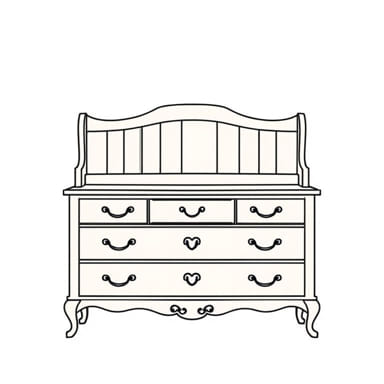
The Queen Anne lowboy furniture piece represents a blend of elegance, craftsmanship, and functionality. Often found in fine homes and antique collections, this small, decorative table stands as a hallmark of 18th-century design. With its graceful curves, cabriole legs, and practical drawers, the lowboy has transcended its original function as a dressing table and become a desirable antique. For collectors, interior designers, and vintage furniture enthusiasts, understanding the features and history of the Queen Anne lowboy is essential to appreciating its timeless charm and enduring value.
Historical Origins of the Queen Anne Lowboy
The Era of Queen Anne Style
The Queen Anne style of furniture originated in the early 1700s during the reign of Queen Anne of Great Britain. Although her rule only lasted from 1702 to 1714, the furniture bearing her name remained popular throughout the 18th century and beyond. The Queen Anne lowboy was a common household piece during this time, valued for its versatility and refined appearance.
This furniture style emphasized comfort, grace, and proportion. Unlike earlier, bulkier pieces, Queen Anne furniture focused on gentle lines, subtle ornamentation, and a lighter visual footprint. The lowboy was particularly emblematic of this transition, offering both utility and style in a compact form.
Lowboy’s Practical Function
Originally, lowboys were used as dressing tables in bedrooms. Women would use them for grooming, storing small personal items, and organizing accessories. Over time, their use expanded into other areas of the home, such as hallways, entryways, and parlors. Their drawers made them convenient for storing gloves, linens, and stationery.
Distinctive Features of Queen Anne Lowboy Furniture
Elegant Design Elements
Several key characteristics define Queen Anne lowboys and distinguish them from other antique styles. These features contribute to both their beauty and historical importance:
- Cabriole Legs: These S-shaped legs mimic an animal’s leg and typically end in a pad, claw-and-ball, or slipper foot. This signature detail adds a sculptural quality to the furniture.
- Curved Aprons: The area just below the drawers often features a decorative scalloped or fan-shaped apron, enhancing the graceful appearance of the piece.
- Veneers and Inlays: Many lowboys incorporate fine wood veneers such as walnut, cherry, or maple, along with inlay designs that add visual interest.
- Brass Hardware: Authentic Queen Anne lowboys often have brass drawer pulls and escutcheons, which add an element of refined detail.
Materials and Craftsmanship
The craftsmanship behind Queen Anne lowboy furniture is a major part of its allure. These pieces were typically handcrafted using high-quality woods and traditional joinery techniques, such as dovetail joints for the drawers and mortise-and-tenon construction for the frames. The attention to detail and choice of wood whether mahogany, walnut, or maple ensured durability and elegance.
Common Uses in Modern Interiors
Versatile Functionality Today
Though originally used for dressing, the Queen Anne lowboy is a remarkably adaptable piece in modern homes. Its small size makes it ideal for various rooms and purposes:
- Entryway Table: Placed in a hallway or foyer, the lowboy offers a stylish surface for keys, mail, and decorative items.
- Vanity Table: With the addition of a mirror, the lowboy can return to its original role as a dressing table.
- Accent Furniture: In living rooms or bedrooms, it serves as an elegant side table or nightstand.
- Writing Desk: Smaller models with ample drawer space can be repurposed as a petite writing table.
Blending Old and New
Interior designers often pair Queen Anne lowboy furniture with modern elements to create a dynamic contrast. The warmth of the wood, the curved lines, and the antique details offer a counterbalance to contemporary minimalist decor. When styled thoughtfully, a Queen Anne lowboy becomes a centerpiece rather than just a functional object.
Collectibility and Value
Antique Appeal
Authentic Queen Anne lowboys are considered valuable antiques, especially when they retain their original hardware, finish, and structural integrity. Provenance, condition, and craftsmanship all influence their market value. Furniture collectors and antique dealers often seek out these pieces at estate sales, auctions, and specialty shops.
Restored or reproduction models are also widely available, offering the Queen Anne style at more accessible prices. However, original pieces from the 18th century are prized for their historical authenticity and quality.
Tips for Identifying Genuine Pieces
- Check for dovetail joints: Hand-cut dovetails are a good indicator of age and craftsmanship.
- Look for wear in expected places: The edges of drawers, inside the legs, and beneath the top may show signs of age.
- Inspect hardware: Brass hardware should match the style and show natural patina if original.
- Examine the wood grain: Antique woods tend to have tighter grain patterns and rich coloring due to age and oxidation.
Restoration and Maintenance
Preserving Antique Charm
Preserving the beauty of a Queen Anne lowboy requires proper care. These tips will help maintain its finish and structural integrity:
- Keep away from direct sunlight: Prolonged exposure can fade wood and damage finishes.
- Control humidity: Wood furniture responds to temperature and moisture, so stable indoor conditions are ideal.
- Clean with care: Use a soft cloth and gentle furniture polish. Avoid harsh chemicals or abrasive tools.
- Inspect joints: Loose joints should be repaired by a professional restorer to prevent further damage.
Refinishing and Repair
In some cases, restoration may involve refinishing the surface or replacing damaged components. When done professionally, this process can extend the life of the piece without compromising its historical value. However, for valuable antiques, it’s important to preserve as much of the original material as possible.
The Queen Anne lowboy is more than just a piece of furniture it’s a testament to design history, fine craftsmanship, and timeless elegance. Whether used for practical purposes or as a decorative statement, it offers both function and beauty in a way that few modern furnishings can match. With proper care, it can be a cherished heirloom that adds depth and charm to any interior setting. As both a historical artifact and a versatile addition to home decor, the Queen Anne lowboy remains a favorite among collectors, designers, and antique lovers alike.