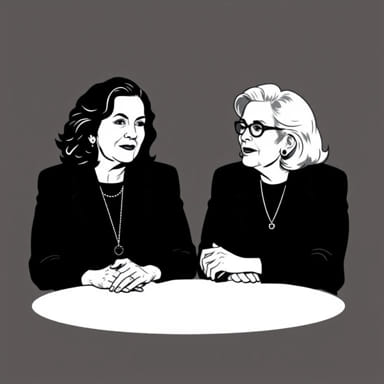
Gloria Steinem and Betty Friedan were two of the most prominent figures in the American feminist movement of the 20th century. Both were instrumental in shaping public discourse around women’s rights, advocating for gender equality, and pushing for societal reforms. While their goals largely aligned, their personal relationship and professional collaboration were sometimes marked by ideological differences, generational divides, and contrasting leadership styles. Despite these tensions, their combined efforts left an undeniable mark on the feminist movement in the United States and beyond.
Background of the Feminist Icons
Betty Friedan’s Legacy
Betty Friedan is best known for her groundbreaking book,The Feminine Mystique, published in 1963. The book articulated the dissatisfaction many suburban housewives felt in their limited domestic roles, challenging the notion that women could only find fulfillment through marriage and motherhood. Friedan helped ignite the second wave of feminism and went on to co-found the National Organization for Women (NOW) in 1966, serving as its first president.
Gloria Steinem’s Emergence
Gloria Steinem rose to prominence slightly later, in the late 1960s and early 1970s. A journalist turned activist, she became a public face of feminism through her work as a writer, speaker, and co-founder ofMs.magazine in 1971. Steinem brought a fresh media-savvy approach to feminist messaging, often appealing to a younger audience and emphasizing intersectionality, including race and class issues.
Their Collaboration in the Movement
Shared Feminist Goals
Both Steinem and Friedan were devoted to the advancement of women’s rights. They supported equal pay, reproductive rights, and the fight against gender discrimination. They appeared together at major feminist events and contributed to the same causes, including the push for the Equal Rights Amendment (ERA).
Founding of the National Women’s Political Caucus
In 1971, Steinem and Friedan, along with other activists, co-founded the National Women’s Political Caucus (NWPC). The organization aimed to increase women’s participation in politics and public service. Despite working side by side in this initiative, tensions between the two women were evident even during the early days of the NWPC.
Differences in Feminist Philosophy
Generational Divide
Friedan, born in 1921, came from a background shaped by the post-World War II era. Her feminism was rooted in middle-class domestic discontent, and she focused on dismantling societal expectations placed on suburban housewives. Steinem, born in 1934, was influenced by the civil rights and anti-war movements, and her feminism was more inclusive of broader social justice issues.
Approach to Media and Public Persona
Steinem embraced the media, often using her public image to promote feminist causes. Her appearances on television, stylish looks, and ability to communicate ideas effectively made her a media darling. Friedan, on the other hand, was more academic and policy-focused, sometimes expressing discomfort with Steinem’s media appeal, which she felt overshadowed more substantive issues.
- Friedan criticized the movement’s turn toward symbolism and celebrity.
- Steinem emphasized the importance of visibility to reach mass audiences.
- Their communication styles appealed to different segments of the population.
Tensions Within the Movement
Friedan’s Concerns About Lesbian Inclusion
One of the most notable points of contention was Friedan’s discomfort with the increasing visibility of lesbians in the feminist movement. She famously referred to them as the lavender menace, fearing that their presence might alienate mainstream support. Steinem, however, supported the inclusion of lesbian voices and stood for a more inclusive feminism. This disagreement highlighted a major rift in the movement’s internal politics.
Leadership Clashes
Friedan, as a founder of NOW, sometimes clashed with newer voices in the movement, including Steinem, over the direction and leadership of feminist organizations. She occasionally accused Steinem of being too idealistic or elitist. For her part, Steinem remained diplomatic but clearly differed in her strategic outlook.
Impact Despite the Differences
Progress Through Diversity
While their relationship was not without friction, the presence of different perspectives within the movement helped broaden its appeal and reach. Friedan appealed to older, more conservative feminists who prioritized legal reform and workforce equality. Steinem connected with younger, progressive women who were concerned with intersectional issues like race, sexuality, and reproductive freedom.
Public Reconciliation
Despite their tensions, there were instances of mutual respect. In later years, both women publicly acknowledged each other’s contributions. At feminist conventions and interviews, they occasionally shared the stage and reiterated the importance of unity in the face of gender inequality, even if their methods and personalities differed.
- They co-signed petitions and policy papers.
- They supported the ERA and women’s reproductive rights.
- They mentored younger feminists, albeit in different styles.
Legacy of Their Dynamic
Defining an Era
The relationship between Steinem and Friedan is a reflection of the broader dynamics of the feminist movement during the 20th century. It was a movement shaped by both consensus and disagreement, progress and pushback. Their combined efforts created a resilient foundation for future feminist activism, showing that even differing visions can contribute to shared progress.
Lessons for Future Generations
Today’s feminists can learn from their story that internal debates are not inherently destructive. When handled with respect and openness, such debates can strengthen movements by encouraging reflection and growth. Steinem and Friedan, though not always in harmony, together exemplified the power of diverse voices working toward a common cause.
Gloria Steinem and Betty Friedan had a complex but ultimately productive relationship within the feminist movement. Their personal and professional interactions reflect both the strengths and challenges of collective activism. While they often disagreed on methods, image, and inclusion, their shared commitment to women’s rights ensured that their legacies would be forever intertwined. Their story is a reminder that change is rarely driven by unanimity, but by the ability to move forward even amidst differences.