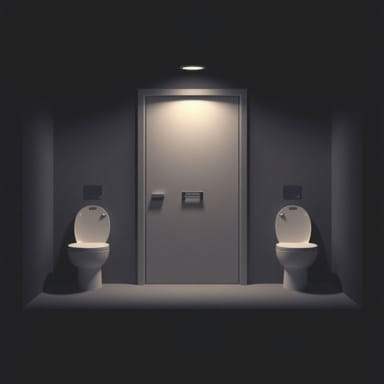
In the immersive puzzle gameRooms and Exits, players often find themselves navigating intricate spaces, each packed with cleverly concealed clues and interactive objects. One such space, the restroom, might seem mundane at first glance, but it often holds key components required for solving broader escape sequences. The restroom inRooms and Exitsis not just a functional setting it’s a puzzle in disguise. This topic explores the elements, solutions, and strategies tied to the restroom level, guiding players through challenges that may leave them feeling flushed with confusion.
Understanding the Importance of the Restroom Level
Why the Restroom?
Restrooms are common environments in escape room games. InRooms and Exits, the restroom challenges players to think critically, observe details, and manipulate objects in ways that simulate real-life problem-solving. The enclosed space limits distraction and encourages players to focus on subtle details like wall tiles, mirror reflections, plumbing fixtures, and lighting changes.
Common Features of the Restroom
While the specific layout may vary from one level to another, most restroom settings in the game include the following:
- Toilets and stalls, which may conceal items or hide mechanisms
- Sinks with interactive faucets or clogged drains
- Mirrors that may reflect hidden codes
- Hand dryers or towel dispensers that conceal switches
- Trash bins containing clues or components
Gameplay Objectives in the Restroom
Collecting Hidden Objects
One of the key mechanics in the restroom is the collection of objects such as keys, screws, torn paper pieces, or tools like plungers and screwdrivers. These items are often hidden in plain sight, requiring players to tap on toilets, lift rugs, or inspect seemingly insignificant fixtures.
Solving Environmental Puzzles
The restroom environment includes environmental puzzles that challenge players to pay attention to sequencing, color patterns, or numeric values. Some examples include:
- Entering the correct number on a keypad hidden behind a mirror
- Aligning pipes in the correct sequence to drain flooded sinks
- Reassembling a torn note to reveal a locker code
- Matching water temperature levels to activate a hidden compartment
Unlocking Compartments
Players may need to unlock janitorial closets, supply cabinets, or hidden wall panels. This usually involves acquiring keys or decoding passcodes. In some scenarios, you may need to retrieve batteries to power hand dryers that blow away lightweight clues such as tissue notes or dust patterns revealing digits.
Clues and Codes in the Restroom
Mirror Tricks and Reflections
One of the most clever tricks used in the restroom is the use of mirrors. Mirrors might reflect codes that aren’t visible otherwise. Sometimes the mirror image must be reversed, prompting players to think backwards or flip a clue in their minds.
Using Water or Steam
Players are sometimes required to turn on the hot water to fog up a mirror, revealing a hidden message. This common but clever mechanic rewards exploration and experimentation. It’s important to try interacting with all faucets and observe what changes when different handles are turned.
Plumbing Systems as Puzzle Elements
Some puzzles involve flushing a toilet to trigger mechanisms or unclogging drains to retrieve items. You may need to follow the path of plumbing to determine which section is blocked and use tools in a specific order to clear it. Observing the layout of pipes painted on the wall or floor may also help in decoding number sequences.
Common Challenges Players Face
Overlooking Small Objects
Restrooms inRooms and Exitsare notorious for hiding essential items in tight corners or under layers of grime. A small coin behind a toilet pipe or a crumpled paper inside a trash can may be the key to progressing. Always double-check every area, even the least obvious ones.
Interpreting Cryptic Clues
The clues you find may be indirect. For example, a pattern of soap dispensers might indicate an order, or the shape of tiles may correspond to numbers. Players often misinterpret these clues due to their subtlety, making it critical to revisit notes and reevaluate their meanings with new information.
Using Items in the Wrong Order
Inventory items must be used in a specific sequence. Trying to use a screwdriver on a panel that’s still locked won’t work. Instead, you may first need to find the access key or remove a protective plate. This trial-and-error aspect is central to the game’s logic.
Hints for Mastering the Restroom Escape
Tips to Enhance Gameplay
- Always inspect mirrors, even if they seem ordinary.
- Use water-related elements like faucets, sinks, and toilets to test their interaction potential.
- Don’t ignore trash cans they often contain torn notes or codes.
- Tap everywhere ceiling tiles, drain holes, stall doors. No surface is irrelevant.
- Combine items in your inventory when progress seems blocked.
Practice Makes Perfect
Some players get stuck on the restroom level for longer than expected. That’s okay. The game is designed to challenge logic and attention to detail. Repeating a level or restarting can actually help reveal things missed the first time. Don’t hesitate to retrace your steps with fresh eyes.
The Restroom and Game Design
Why Developers Use Restrooms
Game developers include restrooms for psychological and practical reasons. The confined space focuses player attention. The familiarity of the setting allows for creative puzzle development players know what to expect in a restroom, so subverting those expectations creates a more surprising and satisfying gameplay experience.
Atmosphere and Realism
The design of the restroom is often gritty, realistic, and detailed, enhancing the immersive experience. Echoing tile clicks, dripping faucets, and dim lighting contribute to the tension and urgency. These sensory cues don’t just add immersion they often act as subtle hints.
TheRooms and Exitsrestroom level is a testament to how everyday spaces can become rich, challenging environments in puzzle games. Through a mix of environmental storytelling, clever item usage, and abstract thinking, the restroom becomes a maze of logic and discovery. For players who enjoy unraveling complex scenarios, the restroom level offers a satisfying blend of difficulty and reward. Remember to observe, experiment, and above all, stay curious because the next solution could be hiding in the unlikeliest corner of the bathroom.