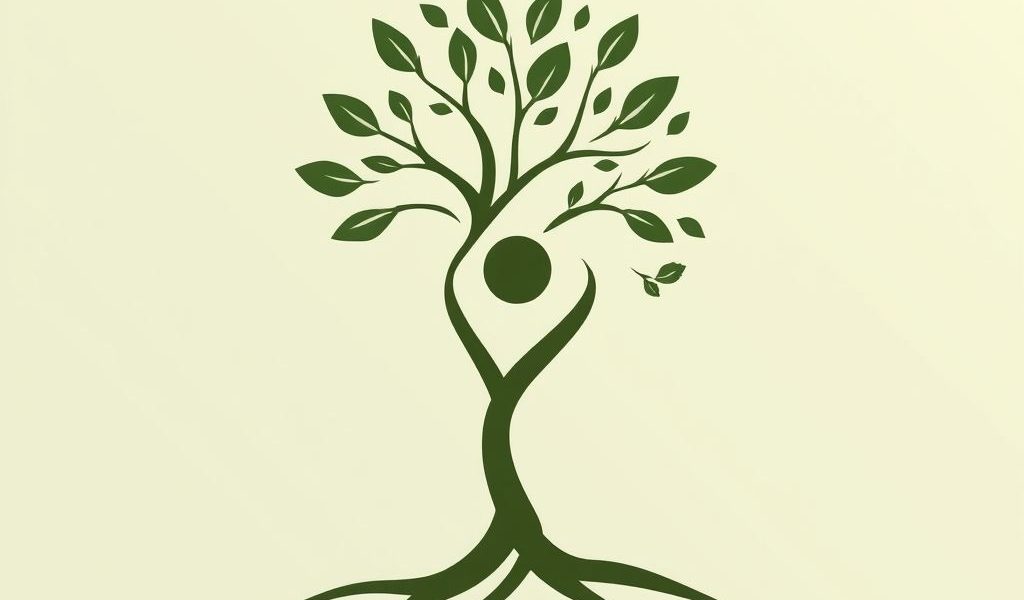
The relationship between nature and humans is one of profound interconnectedness and mutual dependence. From the air we breathe to the food we eat, nature provides the essential resources that sustain human life. Conversely, human activities shape, protect, or sometimes harm the natural world. This inseparable bond highlights that nature and humans are not isolated entities but integral parts of a single, complex ecosystem. Understanding this relationship is crucial for fostering sustainable development and ensuring the wellbeing of both the planet and future generations.
The Concept of Interdependence Between Nature and Humans
Nature consists of all living and non-living things occurring naturally, including plants, animals, water, air, and land. Humans, as part of nature, rely heavily on these components for survival and growth. The interdependence means that humans depend on nature for resources such as clean air, water, food, and materials. Simultaneously, human actions affect natural ecosystems positively or negatively.
This interconnectedness implies a cycle of influence: natural environments support human life, while humans influence nature’s health and balance through their choices and behaviors. Any disruption in this relationship can lead to consequences like environmental degradation, loss of biodiversity, and climate change, which directly impact human health and societies.
Nature as the Foundation of Human Existence
Human beings are inherently connected to the environment through biological and ecological processes. The natural world provides:
- Essential Resources: Food, water, and shelter come from the earth’s natural systems, including forests, rivers, and soil.
- Air Quality: Plants and trees produce oxygen and filter pollutants, maintaining the quality of the air we breathe.
- Climate Regulation: Natural landscapes regulate weather patterns and climate, influencing agriculture and human comfort.
- Medicinal Resources: Many medicines are derived from natural plants and organisms, supporting health and healing.
Without these natural benefits, human societies cannot function properly. The preservation of ecosystems is essential for continued access to these life-sustaining services.
Human Impact on Nature
While nature supports humans, human activity significantly affects the environment. Industrialization, urbanization, deforestation, and pollution have altered natural habitats and contributed to climate change. These changes can disrupt ecosystems, threaten wildlife, and reduce the availability of natural resources.
However, humans also have the power to protect and restore nature through conservation efforts, sustainable practices, and environmental awareness. The balance between exploiting and preserving natural resources is critical for maintaining the health of the planet.
Positive Human Actions
- Conservation Programs: Protecting forests, wetlands, and endangered species preserves biodiversity and natural habitats.
- Sustainable Agriculture: Using eco-friendly farming methods minimizes harm to soil and water resources.
- Renewable Energy: Transitioning to solar, wind, and other renewable sources reduces pollution and conserves fossil fuels.
- Environmental Education: Raising awareness promotes responsible behavior toward nature.
The Philosophical and Cultural Connection
Throughout history, many cultures have emphasized the spiritual and cultural connection between humans and nature. Indigenous communities often view nature as sacred, with a responsibility to live harmoniously within it. This worldview reflects an understanding that humans and nature are part of a larger, interconnected whole.
Modern society can learn from these perspectives by adopting attitudes that respect nature’s intrinsic value beyond its utility for human use. Recognizing this can lead to more ethical and sustainable approaches to development.
Challenges in Maintaining the Balance
Despite the clear interdependence, there are numerous challenges in maintaining a harmonious relationship between humans and nature. Rapid population growth and increasing consumption patterns place pressure on natural resources. Pollution, climate change, and habitat destruction threaten ecosystems and human health alike.
Addressing these challenges requires coordinated efforts at global, national, and local levels. Policies that promote sustainable development, enforce environmental protection laws, and encourage green technologies are essential. Additionally, individual actions, such as reducing waste and conserving energy, contribute to the overall balance.
Importance of Sustainable Development
Sustainable development aims to meet present needs without compromising the ability of future generations to meet theirs. This concept embodies the inseparability of humans and nature, emphasizing that economic growth and environmental stewardship must go hand in hand.
- Resource Management: Efficient use and replenishment of natural resources ensure long-term availability.
- Environmental Protection: Safeguarding ecosystems prevents loss of biodiversity and ecosystem services.
- Social Equity: Ensuring that communities have fair access to natural resources promotes well-being and reduces conflict.
By adopting sustainable development practices, humanity can preserve the natural foundation on which life depends.
The inseparable relationship between nature and humans highlights a fundamental truth: human existence is deeply rooted in the natural world. Our survival, health, and prosperity depend on the careful management and respect of natural resources and ecosystems. At the same time, human actions shape the environment, carrying both responsibility and opportunity.
Recognizing that nature and humans are interconnected encourages a mindset of stewardship and sustainability. It urges individuals, communities, and nations to act thoughtfully to preserve the planet. In doing so, we secure a harmonious future where both nature and humanity thrive together as inseparable elements of life on Earth.