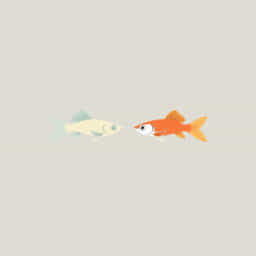
Platies and guppies are two of the most popular freshwater fish kept by aquarists around the world. Their vibrant colors, peaceful behavior, and ease of care make them ideal for both beginner and experienced fish keepers. Many enthusiasts wonder whether these two species can live together harmoniously. Understanding their compatibility involves looking at several aspects such as behavior, water parameters, diet, breeding habits, and tank setup. When properly managed, keeping platies with guppies can be both visually pleasing and relatively low maintenance.
Understanding Platies and Guppies
Platies: Overview and Behavior
Platies are small, livebearing fish originating from Central America. They are known for their hardy nature, adaptability, and social behavior. Platies come in a wide range of colors and fin shapes, and they thrive in community tanks. Typically, platies grow to about 2.5 inches and are peaceful fish that enjoy swimming in groups.
Guppies: Colorful and Social
Guppies, native to South America, are equally admired for their colorful appearance and active demeanor. These fish also grow to about 2 inches and prefer being kept in groups. Guppies are livebearers as well, meaning they give birth to free-swimming fry rather than laying eggs. They are gentle and energetic swimmers, and they do best in calm community settings.
Can Platies Live with Guppies?
Compatibility
Platies and guppies are generally compatible tank mates. Both species are peaceful, similar in size, and have comparable water requirements. This makes them ideal candidates for cohabitation in a freshwater community tank. In fact, their similar activity levels and non-aggressive temperaments often lead to a balanced and entertaining aquarium environment.
Water Conditions
Both platies and guppies thrive in similar water conditions. This compatibility in environmental needs is one of the strongest arguments for housing them together.
- Temperature: 22°C 28°C (72°F 82°F)
- pH: 6.8 8.0
- Hardness: Moderate to hard water
Maintaining stable water parameters within this range helps minimize stress and promotes good health in both species.
Feeding Requirements
Diet Similarities
Platies and guppies are omnivores, which means they eat a mix of plant-based and protein-rich foods. This makes feeding them in the same tank straightforward.
- High-quality flake food
- Frozen or live brine shrimp
- Bloodworms (occasionally)
- Vegetable matter such as blanched spinach or peas
Feeding them twice a day in small amounts ensures they get proper nutrition without polluting the tank with uneaten food.
Breeding Behavior
Frequent Breeders
Both guppies and platies are prolific breeders. If males and females are kept together, expect frequent fry in the tank. These fry can quickly overpopulate the aquarium if not managed properly.
It’s important to note that while both species are livebearers, they cannot interbreed. Platies belong to the genusXiphophorus, while guppies are in the genusPoecilia. However, they may exhibit mating behavior toward each other, especially in male-dominant tanks, which can stress the females.
Managing Fry
If you wish to control breeding, consider these tips:
- Keep only one gender of each species
- Add more hiding places like plants and decorations for fry survival or isolation
- Use a breeding box to separate pregnant females
Tank Setup and Size
Creating a Comfortable Environment
To successfully house platies and guppies together, ensure the tank is appropriately sized and decorated. A 20-gallon tank is usually a good starting point for a mixed group of 6 to 10 fish. Proper filtration, regular water changes, and a heater are essential components of the setup.
Decor and Hiding Spaces
Live plants such as java fern, anubias, or hornwort can help create a more natural environment. These not only offer shelter but also help absorb waste and reduce stress. Driftwood and caves can also be added for additional hiding spots, especially beneficial during breeding or territorial disputes.
Behavioral Observations
Interaction Between Species
In most tanks, platies and guppies will swim together peacefully. Occasionally, mild chasing or curiosity-based interactions may occur, especially when males are present. Ensuring a proper male-to-female ratio, such as 1 male to 2 or 3 females, reduces the likelihood of excessive mating behavior and stress.
Tank Hierarchy
Neither platies nor guppies are known for being territorial, but more dominant individuals may show assertiveness during feeding times or courtship. Keeping the tank stocked with enough space and visual barriers helps reduce these behaviors.
Potential Issues to Monitor
Fin Nipping
While rare, some individuals may develop a tendency to nip fins, especially if the tank is overcrowded or under-stimulated. This behavior can be discouraged by providing a stimulating environment and monitoring aggressive individuals.
Health Concerns
Guppies are slightly more delicate than platies and may be more prone to temperature changes and diseases like ich or fin rot. Regular tank maintenance, avoiding overfeeding, and isolating sick fish can help prevent the spread of illness.
A Harmonious Aquarium
Platies and guppies can live together in a shared tank with minimal issues, provided their basic needs are met. Their similar sizes, temperaments, and care requirements make them suitable companions in community aquariums. However, managing breeding and ensuring balanced male-to-female ratios is essential for reducing stress. With proper planning and care, a tank of platies and guppies can offer a vibrant and peaceful aquatic display that brings joy to any fish enthusiast.