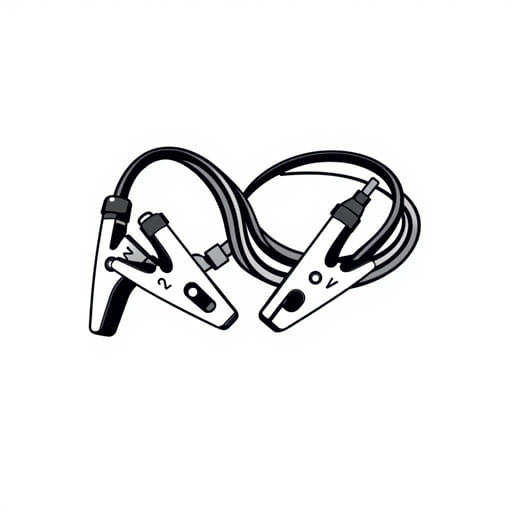
Having a reliable set of heavy duty jumper cables is essential for any vehicle owner, especially during unexpected battery failures. Whether you drive a truck, SUV, or a regular sedan, investing in the right jumper cables ensures you are prepared for emergencies. Heavy duty jumper cables differ significantly from standard ones, providing more power, better durability, and improved performance in extreme conditions. This guide explores everything you need to know about choosing, using, and maintaining jumper cables that are truly built for heavy duty use.
What Makes Jumper Cables Heavy Duty?
Heavy duty jumper cables are designed to handle higher electrical currents and withstand more wear and tear than standard cables. They are particularly useful for larger vehicles such as pickup trucks, RVs, and commercial vans. Here are the key features that define a set of heavy duty jumper cables:
- Thicker gauge wires Typically between 1 and 4 gauge, allowing more current flow.
- Longer length Usually 16 feet or longer, providing flexibility to reach between vehicles.
- Heavy-duty clamps Stronger, more durable clamps with better grip and insulation.
- High-quality insulation Rubber or T-Prene coating to resist cold weather and damage.
Choosing the Right Cable Gauge
One of the most important factors in selecting jumper cables is the wire gauge. The lower the gauge number, the thicker the cable and the more power it can carry. For heavy duty applications, look for cables with a gauge between 1 and 4. Here’s a quick breakdown:
- 1-Gauge: Ideal for diesel trucks, buses, and industrial vehicles.
- 2-Gauge: Suitable for large SUVs and pickup trucks.
- 4-Gauge: Works well for most mid-size vehicles and light trucks.
Avoid cables with gauges above 6 for heavy duty use. They are too thin to provide the necessary current for larger vehicle batteries.
Length Considerations for Convenience
Length matters when you’re parked in tight spots or need to jumpstart a car that’s not easily accessible. A minimum of 16 feet is recommended for heavy duty jumper cables. Some drivers prefer 20 to 25 feet for added convenience. However, be aware that the longer the cable, the more resistance it can generate, so combine length with the proper gauge to maintain optimal performance.
Clamp Construction and Quality
The clamps on heavy duty jumper cables must be rugged and reliable. Look for the following features:
- Strong spring tension Ensures a solid connection to battery terminals.
- Copper-plated jaws Improves conductivity and reduces heat buildup.
- Full insulation Prevents accidental shocks and shorts.
- Ergonomic handles Easier to use in cold weather or tight engine bays.
Proper Usage of Heavy Duty Jumper Cables
Using heavy duty jumper cables correctly is crucial to prevent injury and protect your vehicle’s electrical system. Follow this step-by-step guide:
Step-by-Step Instructions
- Park the working vehicle close enough to the dead vehicle without touching.
- Turn off both engines and remove the keys.
- Attach the red (positive) clamp to the dead battery’s positive terminal.
- Attach the other red clamp to the working battery’s positive terminal.
- Connect the black (negative) clamp to the working battery’s negative terminal.
- Connect the last black clamp to an unpainted metal surface on the engine block of the dead car.
- Start the working vehicle and let it run for a few minutes.
- Try to start the dead vehicle. If it starts, let both engines run for several minutes.
- Remove the cables in reverse order.
Maintenance Tips for Longevity
Taking care of your heavy duty jumper cables ensures they perform well when needed. Here are some maintenance tips:
- Store cables in a dry, cool place to prevent corrosion.
- Keep cables coiled and organized in a storage bag or toolbox.
- Inspect clamps and insulation regularly for cracks or wear.
- Clean clamps with a wire brush if they show signs of rust or debris.
Top Use Cases for Heavy Duty Jumper Cables
These cables aren’t just for personal use. They serve various needs in professional and emergency scenarios:
- Roadside assistance Essential for tow truck drivers and service vehicles.
- Fleet operations Commercial truck fleets often require dependable jumper cables.
- Farming equipment Tractors and harvesters benefit from heavy duty connections.
- Camping and RV travel Reliable power when remote jumpstarting is necessary.
Heavy Duty Jumper Cable Safety Tips
Safety should always be your top priority. Follow these safety practices when using jumper cables:
- Never let the clamps touch each other once connected to batteries.
- Wear safety gloves and glasses when working near a battery.
- Make sure both vehicles are turned off before connecting the cables.
- Disconnect the negative cable from the dead vehicle first after jumpstarting.
Recommended Extras for Emergency Kits
In addition to heavy duty jumper cables, it’s wise to include the following in your roadside emergency kit:
- Portable battery jump starter
- Reflective safety triangles
- Flashlight or headlamp with extra batteries
- Work gloves and a poncho for rain
- Basic tool set
Heavy duty jumper cables are a crucial part of any vehicle owner’s toolkit, especially for those driving larger vehicles or traveling long distances. Choosing the right gauge, length, and clamp quality makes a significant difference in performance and safety. With proper care and correct usage, a quality set of jumper cables can serve you reliably for years. Whether you’re dealing with cold weather starts, roadside emergencies, or helping a fellow driver in need, being prepared with the best heavy duty jumper cables ensures peace of mind and practical power on the go.