As temperatures drop and heating bills rise, many homeowners start looking for simple, budget-friendly ways to improve insulation. One method that often comes up is placing plastic film over windows. While it may seem like a basic solution, window insulation kits using plastic sheeting are widely available and frequently recommended. But does putting plastic on windows really help? Understanding how it works, its effectiveness, and the correct way to apply it can determine whether it’s the right choice for your home.
How Plastic Window Insulation Works
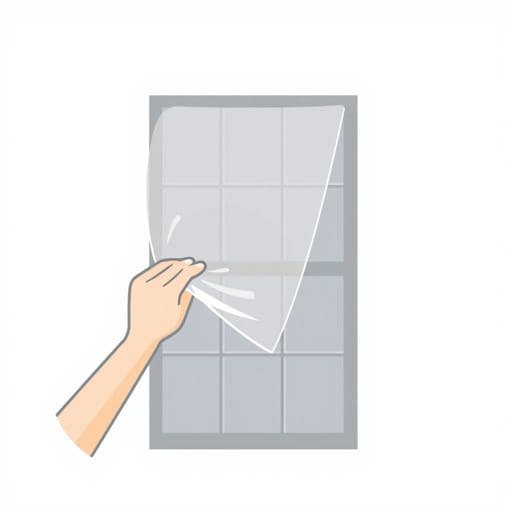
Plastic insulation for windows typically involves a clear plastic film that is stretched tightly over the interior of a window frame. It’s sealed with double-sided tape and often shrunk with a hairdryer to remove wrinkles and create a nearly invisible barrier. This added layer traps air between the window and the room, creating an insulating effect much like a double-pane window.
Benefits of Installing Plastic on Windows
Using plastic film on windows can provide multiple benefits, especially in older homes or apartments with single-pane glass. Here are some key advantages:
- Improved insulation: The trapped air layer reduces heat transfer and prevents drafts.
- Lower heating costs: With less heat escaping, your heating system runs more efficiently.
- Cost-effective solution: Window insulation kits are relatively inexpensive and widely available at hardware stores.
- Easy installation: No special tools are needed just tape and a hairdryer.
- Temporary and removable: The plastic can be taken down in spring without leaving permanent marks.
Is It Really Effective?
The effectiveness of plastic film insulation depends on several factors, including the type of windows in your home, how well the film is applied, and the climate in your region. According to various energy efficiency studies, properly installed plastic insulation can reduce heat loss by up to 55% through single-pane windows.
Homeowners who live in colder climates tend to see the most noticeable benefits. In areas with mild winters, the impact may be less dramatic but still worthwhile if you’re trying to save on heating costs or eliminate minor drafts.
Ideal Scenarios for Window Plastic Insulation
While plastic insulation works well in many homes, it is especially beneficial in specific cases:
- Homes with single-pane windows
- Rental properties where permanent window upgrades are not allowed
- Older buildings with worn or drafty window frames
- Rooms that remain noticeably colder than others
- Homeowners looking for short-term, seasonal insulation options
Limitations and Considerations
Despite its benefits, plastic window insulation is not a perfect solution. It is a temporary fix and doesn’t address underlying issues like poorly sealed frames or deteriorating caulking. Moreover, some people find that the plastic slightly distorts visibility or creates glare in bright sunlight.
Another consideration is the lifespan of the film. While it can last through a single winter, it may need replacing every season. Additionally, installation must be done carefully to ensure airtight results. If air leaks remain around the tape, the insulating effect is diminished.
Not a Substitute for Permanent Solutions
It’s important to understand that plastic film is not a replacement for modern double or triple-glazed windows. If your goal is long-term energy efficiency, it’s worth considering more permanent improvements such as:
- Installing storm windows
- Upgrading to double-pane or energy-efficient glass
- Applying weather stripping or caulking around window frames
- Using insulated curtains or thermal drapes
How to Install Plastic on Windows Correctly
To get the most out of a plastic window insulation kit, follow these general steps for proper installation:
- Clean the window frame thoroughly to help tape stick effectively.
- Apply the included double-sided tape evenly around the interior frame.
- Carefully attach the plastic film to the tape, making sure it’s taut.
- Use a hairdryer to shrink the film, removing wrinkles and tightening the barrier.
- Check for any gaps or leaks and press the tape firmly for a secure seal.
Taking your time with installation will lead to better results and improved insulation. It’s also recommended to install the film during a dry day when temperatures are moderate, which helps the tape adhere more effectively.
Environmental Impact and Alternatives
One concern some homeowners have is the environmental impact of using plastic. While these films are generally not recyclable, their energy-saving benefits often outweigh the cost of production and disposal especially if they lead to a significant drop in fuel consumption during the winter.
If you are looking for greener options, consider reusable window inserts made from acrylic or polycarbonate. These can be custom-cut and removed seasonally, reducing plastic waste while still improving insulation.
Should You Put Plastic on Your Windows?
So, does putting plastic on windows really help? Yes, when done correctly, it can be a highly effective way to improve home insulation and lower energy bills during the winter months. While it is not a permanent fix, it serves as a valuable and affordable short-term solution, especially in drafty homes or older buildings.
If you’re not ready to invest in expensive window upgrades, using plastic insulation is a smart and accessible way to keep the cold out and the warmth in. Just be sure to install it carefully, understand its limitations, and consider it as one piece of your broader home energy efficiency strategy.