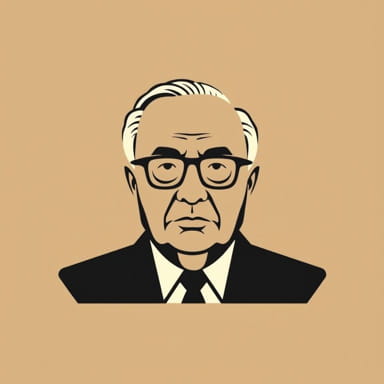
Henry Kissinger is one of the most influential and controversial figures in modern American diplomacy. Serving as the U.S. Secretary of State during the 1970s, Kissinger played a pivotal role in shaping foreign policy during a tumultuous period marked by the Cold War, the Vietnam War, and shifting global alliances. His tenure was characterized by a blend of realpolitik, strategic negotiations, and groundbreaking diplomatic initiatives. Understanding Kissinger’s impact requires a look into his background, major accomplishments, and the controversies that surround his legacy.
Early Life and Rise to Power
Henry Alfred Kissinger was born on May 27, 1923, in Fürth, Germany. As a Jewish child, he fled Nazi persecution with his family, emigrating to the United States in 1938. Kissinger’s early experiences with totalitarianism and war deeply influenced his worldview. He served in the U.S. Army during World War II and later pursued an academic career, earning his Ph.D. from Harvard University. Kissinger’s expertise in international relations and diplomacy brought him into the political arena, eventually catching the attention of President Richard Nixon.
Appointment as National Security Advisor and Secretary of State
In 1969, Kissinger was appointed National Security Advisor, becoming the architect of U.S. foreign policy under Nixon. He was later appointed Secretary of State in 1973, a role he held until 1977 under both Nixon and Gerald Ford administrations. His dual role allowed him to orchestrate many of America’s major foreign policy moves, blending diplomacy with strategic power politics.
Key Diplomatic Achievements
Kissinger’s tenure included several landmark diplomatic efforts that shaped the international order. Perhaps most famously, he is credited with initiating détente, a period of eased tensions between the United States and the Soviet Union. This thaw in Cold War hostilities included arms control agreements such as the Strategic Arms Limitation Talks (SALT).
Opening Relations with China
One of Kissinger’s most notable achievements was his secret trip to China in 1971, paving the way for President Nixon’s historic visit in 1972. This diplomatic breakthrough ended decades of hostility and isolation between the U.S. and the People’s Republic of China. By opening diplomatic channels, Kissinger helped reshape the global balance of power, leveraging China’s position as a counterweight to the Soviet Union.
Middle East Peace Efforts
Kissinger also played a critical role in the Middle East, particularly after the 1973 Yom Kippur War between Israel and Arab states. Through shuttle diplomacy, he negotiated ceasefires and laid the groundwork for subsequent peace agreements. These efforts temporarily stabilized a volatile region and demonstrated the effectiveness of active, hands-on diplomacy.
Controversies and Criticisms
Despite his accomplishments, Kissinger’s career is heavily criticized for involvement in covert operations and support for authoritarian regimes. His policies in Latin America, particularly backing coups in Chile and Argentina, have been condemned for contributing to human rights abuses. Additionally, his role in prolonging the Vietnam War and involvement in the secret bombing campaigns in Cambodia and Laos have sparked intense debate over the ethics of his decisions.
Legacy of Realpolitik
Kissinger’s approach, often described as realpolitik, emphasized pragmatic and strategic interests over ideological considerations or moral concerns. While this approach arguably enhanced U.S. power and influence, it also led to alliances with dictators and disregard for democratic principles, which continues to color historical assessments of his tenure.
- Born in Germany in 1923 and emigrated to the U.S. in 1938.
- Served as National Security Advisor (1969-1975) and Secretary of State (1973-1977).
- Key architect of détente and Strategic Arms Limitation Talks (SALT).
- Initiated U.S. rapprochement with China through secret diplomacy.
- Engaged in shuttle diplomacy to ease tensions in the Middle East.
- Criticized for involvement in coups and support for authoritarian regimes.
- Controversial figure for his role in the Vietnam War and secret bombings.
- Known for his pragmatic realpolitik approach to foreign policy.
Henry Kissinger’s role as Secretary of State left an indelible mark on 20th-century international relations. His diplomatic initiatives transformed U.S. foreign policy and altered global dynamics during the Cold War era. However, his legacy remains divisive, with enduring debates over the morality and consequences of his actions. Kissinger’s career exemplifies the complexities of diplomacy, where power, strategy, and ethics often collide.