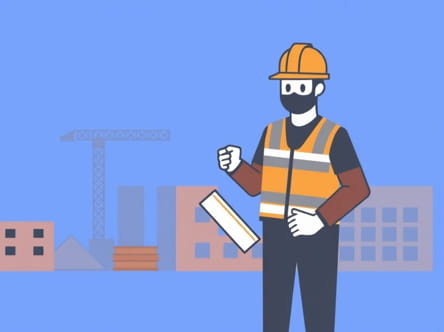
Working in the construction industry requires a combination of physical effort, planning, communication, and attention to detail. Among the many roles on a job site, the position of construction supervisor is both challenging and rewarding. This role involves overseeing construction projects from start to finish, ensuring they are completed safely, on time, and within budget. Becoming a construction supervisor means being a leader, a communicator, and a problem-solver. It also demands a strong understanding of the construction process and the ability to manage teams effectively.
Understanding the Role of a Construction Supervisor
Key Responsibilities
A construction supervisor has multiple responsibilities, including managing workers, coordinating with contractors and subcontractors, and ensuring compliance with safety regulations. This role acts as a bridge between management and labor, making sure the project runs smoothly at every level. Some of the core duties include:
- Planning and organizing construction schedules
- Supervising on-site construction activities
- Monitoring safety protocols and compliance
- Inspecting work to ensure quality and adherence to plans
- Managing resources, materials, and equipment
- Communicating with stakeholders and project managers
Skills Required
To be a successful construction supervisor, you need a mix of technical and soft skills. These include:
- Strong leadership and decision-making abilities
- Excellent communication skills
- Knowledge of construction methods and tools
- Time management and organizational skills
- Understanding of safety regulations and procedures
Educational and Training Requirements
Formal Education
While it’s possible to work your way up to supervisor with years of on-the-job experience, having formal education helps. Many construction supervisors hold degrees or diplomas in construction management, civil engineering, or related fields. Some also have certifications in construction supervision or safety management.
Certifications and Licenses
Certifications can improve your chances of getting hired and earning a higher salary. Examples include:
- OSHA Certification (Occupational Safety and Health Administration)
- Certified Construction Manager (CCM)
- Construction Supervisor License (required in some states or countries)
Always check local licensing requirements as they may vary based on location and the type of work you supervise.
On-the-Job Training
Practical experience is just as important as classroom learning. Many construction supervisors start as laborers or apprentices and work their way up. Gaining experience in different construction roles helps you understand how each part of the project fits together, which is essential for good supervision.
Developing Leadership Skills
Leading a Team
Construction supervisors often oversee teams of skilled and unskilled workers. Leadership involves more than just giving orders; it requires building trust, resolving conflicts, and motivating the crew. Setting a good example and remaining calm under pressure are vital leadership traits.
Effective Communication
You must communicate instructions clearly to ensure tasks are carried out properly. You’ll also need to relay progress updates and challenges to higher management and clients. Being able to listen is just as important as being able to speak effectively.
Understanding Safety Standards
Maintaining a Safe Work Environment
One of the most important roles of a construction supervisor is to enforce safety rules and prevent accidents. A strong knowledge of local and national safety codes is required. You must ensure that all workers wear proper protective gear, follow safe working practices, and report any hazards.
Training and Awareness
Supervisors often conduct safety briefings and training sessions. Being proactive about safety protects the workers and helps avoid project delays due to injuries or inspections. Regular toolbox talks and walk-through inspections help keep safety at the forefront of every task.
Managing Schedules and Budgets
Time Management
Staying on schedule is crucial in construction. Delays can cost money and damage reputations. Construction supervisors use timelines, Gantt charts, and project management software to track progress. Adjusting schedules when unexpected issues arise is part of the job.
Cost Control
Supervisors help manage project budgets by ensuring materials are used efficiently and labor hours are properly tracked. Keeping waste to a minimum and identifying cost-saving opportunities can significantly improve the profitability of a project.
Using Technology in Construction Supervision
Modern Tools and Software
Technology is playing an increasingly important role in construction. Supervisors use tools such as:
- Project management software like Procore or Buildertrend
- Digital blueprints and 3D modeling
- Time-tracking and payroll systems
- Safety reporting apps
Understanding these tools allows you to supervise more effectively and maintain detailed records.
Remote Monitoring and Reporting
Some supervisors use drones or mobile cameras to monitor job sites from a distance, especially on large or multi-location projects. Cloud-based reporting allows real-time updates, reducing the need for constant on-site presence.
Career Advancement and Opportunities
Room for Growth
Experienced construction supervisors can move into higher positions such as construction manager, project manager, or site superintendent. Some even start their own contracting businesses. With years of experience and the right credentials, the career path is both stable and lucrative.
Industries That Hire Construction Supervisors
Although most construction supervisors work in residential or commercial construction, other sectors also seek their expertise, including:
- Infrastructure development (roads, bridges, tunnels)
- Oil and gas projects
- Energy and utility construction
- Government or military construction projects
Becoming a Great Construction Supervisor
Being a construction supervisor is about more than overseeing a job site. It’s about leadership, planning, responsibility, and dedication. The path to becoming a successful supervisor involves gaining the right education, building hands-on experience, and constantly developing your skills. With attention to safety, a commitment to quality, and a proactive approach to problem-solving, you can become a respected and effective construction supervisor who plays a vital role in shaping the built environment.