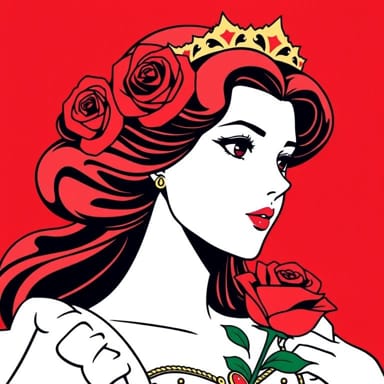
Set against the turbulent backdrop of pre-revolutionary France, the anime Rose of Versailles delivers a powerful and emotional portrayal of politics, gender identity, and the price of loyalty. Blending historical events with fictional drama, the series stands as a pioneering work in the world of shoujo anime. Its rich storytelling, complex characters, and elegant art style continue to attract both anime fans and history lovers alike. Originally released in the late 1970s, the anime remains highly regarded for its influence and legacy in Japanese animation.
Historical Setting and Background
The French Revolution as a Narrative Framework
Rose of Versailles, also known as Versailles no Bara, takes place in France during the reign of King Louis XVI and Queen Marie Antoinette. The series builds its dramatic arcs around key historical events, including the growing unrest among the people, the lavish lifestyle of the French nobility, and the eventual collapse of the monarchy. By weaving real events with fictional storytelling, the anime creates a gripping portrayal of a nation on the brink of transformation.
Influence from Real Figures
Many characters are based on actual historical figures. Marie Antoinette plays a central role in the plot, depicted as both naive and tragically unaware of the consequences of her choices. Count Axel von Fersen, her rumored lover, also appears, offering romantic tension and emotional conflict. These elements ground the anime in real history, making the political narrative more tangible and dramatic.
Main Characters and Their Development
Oscar François de Jarjayes
One of the most iconic aspects of Rose of Versailles is its protagonist, Oscar. Born into a noble family, Oscar is raised as a man so she can serve as commander of the Royal Guard. This gender-defying role challenges traditional ideas about femininity, strength, and identity. Oscar’s internal struggles, duty to the crown, and deep sense of justice make her a deeply layered and unforgettable character.
Marie Antoinette
Portrayed with both sympathy and critique, Marie Antoinette undergoes significant development throughout the series. Her early frivolity and ignorance of the common people’s plight evolve into a greater awareness of the political situation. Her friendship with Oscar and her affair with Fersen further humanize her, creating a nuanced portrait of a doomed queen.
André Grandier
André is Oscar’s loyal servant and childhood friend. As the series progresses, his role grows into a romantic lead, and his feelings for Oscar add emotional weight to the narrative. His humble background contrasts with Oscar’s noble lineage, bringing attention to the class divide and social inequalities in 18th-century France.
Art Style and Animation
Elegant Aesthetic of 1970s Shoujo
The anime’s visual style is a hallmark of 1970s shoujo anime, characterized by delicate linework, expressive eyes, and ornate costume design. The detailed backgrounds, particularly of the Palace of Versailles, help immerse viewers in the historical setting. While the animation may appear dated by modern standards, the artistic direction carries emotional intensity and dramatic flair.
Use of Symbolism and Visual Metaphors
Rose of Versailles often employs symbolic imagery such as roses, mirrors, and candlelight to emphasize characters’ emotional states. These visual motifs enhance the storytelling and provide viewers with subtle insights into the inner lives of the characters. The symbolism also reinforces the themes of fragility, beauty, and decay associated with aristocratic life.
Major Themes Explored
Gender and Identity
Oscar’s role as a woman living as a man brings forth deep questions about gender roles, societal expectations, and personal freedom. Her struggles with identity reflect broader conversations about autonomy and the limitations placed on individuals by rigid social structures. Oscar’s ability to command respect in a male-dominated world makes her a revolutionary figure in anime history.
Loyalty and Sacrifice
Many characters in Rose of Versailles are torn between their duties and personal desires. Oscar, in particular, faces difficult choices between loyalty to the monarchy and empathy for the suffering masses. These dilemmas are portrayed with sensitivity, illustrating the emotional costs of living with honor and conviction during times of political turmoil.
Class Struggle and Revolution
The anime vividly illustrates the contrast between the opulence of the French aristocracy and the despair of the lower classes. Characters like André represent the common people, while Oscar and Marie embody the elite. The show does not shy away from depicting the harsh realities of inequality, making the eventual revolution feel both inevitable and justified.
Legacy and Cultural Impact
A Landmark in Shoujo Anime
Rose of Versailles played a key role in shaping the shoujo genre. Its combination of romance, history, and strong female characters inspired countless other works in manga and anime. It broke conventions by featuring a gender-fluid protagonist and tackling serious political themes in a format traditionally reserved for lighthearted romance.
Enduring Popularity
Decades after its original broadcast, the anime still holds a strong fan base. It has been adapted into stage plays by the Takarazuka Revue, translated into multiple languages, and remains in circulation through DVD and streaming platforms. Its cultural significance extends beyond Japan, with international audiences appreciating its depth and artistry.
Inspiration for Later Works
Many modern anime series cite Rose of Versailles as a major influence. Themes of forbidden love, cross-dressing protagonists, and social rebellion continue to echo in series like Revolutionary Girl Utena, The Twelve Kingdoms, and even certain arcs of Attack on Titan. The show’s courage in storytelling set a new standard for anime creators worldwide.
Critical Reception and Awards
Acclaimed by Audiences and Critics
Upon its release, Rose of Versailles was praised for its mature storytelling, unique characters, and compelling historical backdrop. It quickly became a fan favorite and received recognition for pushing the boundaries of anime. Critics applauded its nuanced writing and willingness to explore themes that were rare in anime at the time.
Lasting Influence in Media
Its success led to a wide range of adaptations and merchandise, from theater productions to musical albums. The impact of Oscar’s character design and personality can still be seen in today’s anime heroes and heroines. The series remains a subject of academic study and fan discussion, a testament to its continued relevance.
Rose of Versailles is more than just a historical drama; it is a timeless exploration of power, identity, and the human spirit. Its layered characters, rich setting, and emotional narrative have secured its place as a classic of anime history. Whether you’re drawn to political intrigue, romantic tension, or character-driven stories, this anime offers a meaningful and unforgettable viewing experience. For those interested in the intersection of history and animation, Rose of Versailles remains a must-watch title that continues to inspire new generations of fans and creators alike.