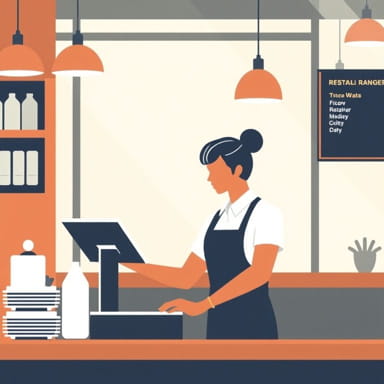
Working as a cashier in a restaurant is a vital role that combines customer service with financial transactions. The cashier is often the first and last point of contact for customers, making this position essential for creating a positive dining experience. In addition to handling payments accurately, cashiers contribute to the overall efficiency and smooth operation of the restaurant. Understanding the detailed job description of a restaurant cashier helps both employers and job seekers align expectations and responsibilities, ensuring that this role is fulfilled effectively.
Primary Responsibilities of a Restaurant Cashier
The core duties of a restaurant cashier revolve around managing the point-of-sale system and interacting with customers. This includes processing orders, handling payments, issuing receipts, and sometimes assisting with other front-of-house tasks. Accurate cash handling is crucial to maintain financial integrity and prevent losses.
Customer Interaction and Service
- Greet customers warmly upon arrival or at the counter.
- Take food and beverage orders clearly and accurately.
- Answer customer questions regarding menu items, prices, and promotions.
- Address customer concerns or complaints professionally or escalate them to a manager.
Handling Transactions
- Operate cash registers and point-of-sale (POS) terminals efficiently.
- Accept various payment methods such as cash, credit/debit cards, and mobile payments.
- Calculate and give correct change promptly.
- Issue receipts and ensure all transactions are recorded accurately.
- Balance cash drawers at the beginning and end of shifts to reconcile accounts.
Additional Duties in a Restaurant Setting
Depending on the size and type of restaurant, cashiers may take on additional responsibilities beyond payment processing. These tasks often support overall restaurant operations and customer satisfaction.
Order Coordination and Communication
- Relay customer orders to kitchen staff or food preparation areas.
- Coordinate with servers and other front-of-house staff to ensure timely delivery of orders.
- Monitor order status and inform customers about any delays or issues.
Maintaining Cleanliness and Organization
- Keep the cashier station clean and organized throughout the shift.
- Stock supplies such as bags, napkins, and receipt paper.
- Follow health and safety guidelines to ensure a hygienic environment.
Skills and Qualifications Needed for a Restaurant Cashier
Being a successful cashier in a restaurant requires a blend of technical skills, personal qualities, and some prior experience. Many restaurants provide on-the-job training, but certain skills can greatly enhance performance.
Key Skills
- Numerical Accuracy: Ability to handle cash and make correct calculations quickly.
- Customer Service: Friendly demeanor, patience, and effective communication skills.
- Attention to Detail: Ensuring orders and payments are processed correctly.
- Multitasking: Managing several customers and tasks simultaneously during busy periods.
- Technical Proficiency: Comfortable using POS systems and electronic payment devices.
Desirable Qualifications
- High school diploma or equivalent is often preferred.
- Previous experience in retail or food service is a plus but not always required.
- Basic knowledge of food safety and hygiene practices.
- Ability to stand for long periods and work flexible hours, including nights, weekends, and holidays.
Work Environment and Conditions
Restaurant cashiers typically work in fast-paced environments where customer satisfaction and efficiency are priorities. The job often requires standing for extended periods and handling a high volume of transactions, especially during peak hours. Cashiers must maintain a professional and calm demeanor even during busy or stressful times.
Shift Patterns
Many restaurants operate beyond standard business hours, so cashiers may work in shifts including mornings, afternoons, evenings, weekends, and holidays. Flexibility is an important aspect of this role, with some establishments offering part-time or full-time positions.
Importance of a Restaurant Cashier
The cashier plays a critical role in the overall customer experience. As the face of the restaurant, a cashier’s attitude and efficiency can influence repeat business and customer satisfaction. Accurate handling of payments also protects the restaurant’s financial health, making this role indispensable.
Impact on Customer Experience
- Provides the first and last impression during a customer’s visit.
- Ensures a smooth and hassle-free checkout process.
- Responds promptly to customer inquiries and issues.
Financial Accountability
- Manages cash flow accurately to prevent discrepancies.
- Maintains detailed transaction records for auditing and reporting.
Challenges Faced by Restaurant Cashiers
While the job can be rewarding, cashiers often face challenges such as handling difficult customers, managing multiple tasks simultaneously, and working during busy shifts. Staying calm, focused, and polite is essential to overcoming these obstacles and maintaining a professional image.
Strategies to Overcome Challenges
- Develop strong communication and conflict-resolution skills.
- Practice time management and prioritize tasks effectively.
- Seek support from supervisors when dealing with challenging situations.
The job description of a cashier in a restaurant encompasses much more than simply handling money. It requires excellent customer service skills, accuracy, multitasking abilities, and a positive attitude. Cashiers serve as key representatives of the restaurant, ensuring customers leave satisfied while maintaining the financial integrity of the business. Whether working in fast food, casual dining, or upscale establishments, cashiers contribute significantly to the smooth operation and success of the restaurant. For those interested in this role, developing strong interpersonal and technical skills is essential to thrive and grow in this dynamic position.