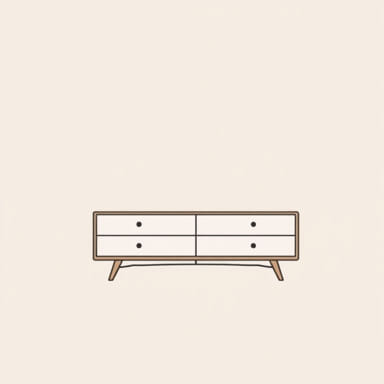
Lowboy furniture is a classic and versatile piece that has been a part of traditional interior design for centuries. Known for its low stature and practical storage, a lowboy is a small table or dresser, typically featuring drawers, and often used in bedrooms, hallways, or dressing areas. With its timeless charm and compact structure, a lowboy adds functionality and elegance to any room. Though its popularity peaked during the 18th century, lowboy furniture continues to be appreciated for its utility and historical appeal.
Understanding the Lowboy: A Historical Perspective
The term ‘lowboy’ originates from the contrast to the ‘highboy,’ which is a taller chest of drawers often stacked vertically. A lowboy is essentially a low chest or dressing table, usually around waist-height, with a flat top surface and one or more rows of drawers underneath. This type of furniture gained widespread popularity in England and colonial America during the Queen Anne and Chippendale periods.
Evolution of the Design
Originally, lowboys were crafted with elaborate cabriole legs and scalloped aprons, often featuring fine inlays or carvings. Over time, the designs became more simplified, but the essence of the piece a low, functional unit with drawers remained the same. Many antique lowboys are considered collectibles today due to their craftsmanship and historical value.
Main Features of Lowboy Furniture
Lowboys are defined by a few distinct features that make them recognizable and desirable:
- Height: Typically around 28 to 32 inches tall, allowing them to function well as dressing tables or side tables.
- Drawers: Most lowboys feature one to three rows of drawers for storing smaller items like linens, accessories, or grooming tools.
- Leg style: Legs may vary from turned or tapered to cabriole depending on the style period.
- Wood materials: Commonly made from hardwoods such as walnut, mahogany, cherry, or oak.
Common Uses for a Lowboy
While originally designed for personal grooming and dressing purposes, lowboys are incredibly versatile and can serve many functions in modern interiors.
Bedroom Storage
Lowboys are perfect for storing undergarments, jewelry, or small clothing items. Placed near a vanity mirror, they also function well as a makeup or dressing station.
Hallway or Entryway Table
The low and narrow profile of a lowboy makes it a great fit for entryways or hallways. It can hold keys, mail, and other small essentials while offering a decorative surface for lamps, vases, or picture frames.
Living Room Accent Piece
In living spaces, lowboys can be used as accent tables or even television stands. Their drawers offer hidden storage, helping to keep the area clutter-free while adding vintage charm.
Office or Study Table
When paired with a chair, a lowboy can function as a compact writing desk or home office station. It’s ideal for small spaces where a traditional desk might be too large or overpowering.
Styles and Finishes
Lowboy furniture comes in a variety of styles, reflecting different design eras and regions. Some of the most notable include:
Queen Anne Style
Marked by its cabriole legs and shell carvings, this style is ornate and elegant. Queen Anne lowboys often feature a scalloped apron and are crafted from walnut or mahogany.
Chippendale Style
These lowboys are typically more robust in construction, with ball-and-claw feet and detailed drawer pulls. They reflect the craftsmanship of 18th-century England and early American furniture.
Modern Interpretations
Contemporary lowboys simplify the form, often emphasizing clean lines, sleek finishes, and minimalist hardware. These versions blend well in modern or transitional interiors while still offering the practicality of traditional lowboys.
Choosing the Right Lowboy for Your Space
Selecting the ideal lowboy depends on your design preferences, space availability, and intended use. Here are some key considerations:
Measure Your Space
Since lowboys are compact, they can fit in a variety of spaces but measuring the area beforehand ensures the right fit, especially in narrow hallways or beside beds.
Match with Interior Decor
Choose a style and finish that complements your existing furniture. A vintage wood lowboy pairs beautifully with classic interiors, while a painted or modern version may suit a contemporary setting.
Functionality Over Form
While appearance is important, consider how you’ll use the piece. Opt for more drawers if you need storage or look for sturdier construction if it will support heavy items like electronics or appliances.
Caring for Your Lowboy Furniture
Proper maintenance can preserve the beauty and utility of your lowboy for years to come. Whether it’s a treasured antique or a new reproduction, caring for wood furniture requires some attention to detail.
Cleaning Tips
- Dust regularly using a soft, dry cloth to prevent buildup.
- Use a mild wood cleaner for deeper cleaning, avoiding excess moisture.
- Apply furniture polish or wax every few months to maintain sheen and protect the wood surface.
Handling Antiques
If you own a vintage lowboy, avoid harsh chemicals and excessive sanding. Preserve original features and consult a professional if restoration is needed. Antique lowboys may increase in value over time, especially if kept in good condition.
Benefits of Owning a Lowboy
Whether you’re a furniture collector or someone looking for practical elegance, owning a lowboy offers numerous benefits:
- Compact size: Fits in small areas without overwhelming the room.
- Functional storage: Offers drawer space for various personal items.
- Decorative appeal: Adds charm, especially with ornate legs or finishes.
- Adaptable use: Works in bedrooms, hallways, living rooms, and offices.
Lowboy vs. Highboy: What’s the Difference?
The distinction between lowboy and highboy furniture is rooted in height and design. A lowboy is a single-level chest or table with drawers and stands at a lower height. In contrast, a highboy consists of two stacked sections, often with multiple drawers, resembling a tall dresser or armoire. Both have their place in traditional furniture design, but lowboys are preferred for accessibility and versatility in modern homes.
A lowboy is more than just a piece of furniture it is a design element that blends history, utility, and style. With roots in early European and American craftsmanship, lowboy furniture continues to be relevant today thanks to its adaptability and timeless design. Whether used for storage, display, or decor, a well-chosen lowboy can become a cherished and practical addition to any room.