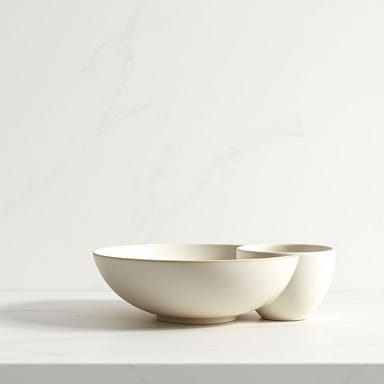
In the field of ceramics, the process of transforming raw materials into durable, glass-like structures is crucial for producing high-quality materials that exhibit both strength and impermeability. One of the central concepts in this transformation is vitrification, a term widely used to describe the change of ceramic materials into a dense, glassy state during firing. Understanding vitrification is essential for ceramic engineers, artists, and materials scientists because it directly affects the properties of the final product, including porosity, hardness, and thermal resistance. The science behind vitrification combines principles of chemistry, physics, and materials engineering, making it a fascinating topic for anyone interested in ceramics and advanced materials.
Definition of Vitrification in Ceramics
Vitrification in ceramics refers to the process by which a ceramic material becomes glassy and non-porous when subjected to high temperatures during firing. This process involves the partial melting of the components of the ceramic body, which then flow and fuse together, filling the spaces between solid ptopics. As a result, the material transitions from a porous, friable state into a dense, solid structure that exhibits increased mechanical strength and decreased water absorption. The term vitrification originates from the Latin word vitrum,” meaning glass, reflecting the glass-like quality of the final material.
Stages of Vitrification
Vitrification occurs in multiple stages during the ceramic firing process, which are critical to controlling the properties of the final product
- DehydrationInitially, moisture and chemically bound water are removed from the clay or ceramic body as the temperature rises.
- DecompositionOrganic matter and carbonates in the raw material decompose, releasing gases that may create temporary porosity.
- Formation of a Glassy PhaseAt higher temperatures, the clay minerals partially melt to form a viscous glassy phase, which flows into the remaining pores.
- Sintering and DensificationThe solid ptopics fuse together, reducing porosity and creating a strong, dense ceramic structure.
Chemical and Physical Mechanisms
The vitrification process in ceramics is driven by both chemical reactions and physical transformations. Chemically, the silica and fluxing agents in the clay or ceramic mixture react to form a glassy phase, which is a network of interconnected silicon-oxygen tetrahedra. This glassy network binds the other mineral ptopics, such as alumina and feldspar, contributing to the structural integrity of the ceramic.
Role of Temperature
Temperature is a critical factor in vitrification. Different types of ceramics require different firing temperatures to achieve complete vitrification. For example, earthenware typically vitrifies at temperatures between 1000°C and 1150°C, whereas stoneware and porcelain may require temperatures ranging from 1200°C to 1400°C. Insufficient temperature can result in incomplete vitrification, leaving the ceramic porous and weak, while excessive temperature may cause warping, deformation, or over-melting.
Effect of Raw Materials
The composition of the ceramic body strongly influences vitrification. Key components include
- Clay MineralsProvide the primary structure and plasticity needed for shaping.
- SilicaActs as the main glass-forming component during vitrification.
- FluxesSubstances such as feldspar or bone ash lower the melting point, facilitating the formation of the glassy phase.
- AluminaEnhances the mechanical strength and thermal stability of the vitrified ceramic.
Importance of Vitrification
Vitrification is essential for achieving several critical properties in ceramics. By reducing porosity, vitrified ceramics become resistant to water absorption and chemical attack, making them suitable for tiles, sanitary ware, and tableware. The formation of a dense, glassy structure also improves mechanical strength, allowing the ceramics to withstand greater loads and impacts. Additionally, vitrification enhances thermal stability, enabling ceramics to endure high temperatures without deforming or cracking.
Applications in Different Ceramic Types
The degree of vitrification varies depending on the type of ceramic and its intended use
- EarthenwarePartially vitrified, somewhat porous, suitable for decorative items and low-temperature applications.
- StonewareFully vitrified, strong and impermeable, ideal for cookware, tiles, and industrial ceramics.
- PorcelainHighly vitrified, with a smooth, translucent surface, used in fine tableware and advanced engineering applications.
Factors Affecting Vitrification
Several factors must be controlled to achieve the desired level of vitrification in ceramics
Firing Schedule
The rate of heating, soaking time at peak temperature, and cooling rate influence how uniformly the ceramic body vitrifies. Controlled firing ensures complete fusion without defects such as cracks or bloating.
Ptopic Size
Smaller ptopics have a larger surface area, promoting more efficient sintering and densification. Coarse ptopics may require higher temperatures or longer firing times to achieve full vitrification.
Atmosphere
The chemical environment in the kiln, whether oxidizing or reducing, can affect the color, texture, and chemical composition of the glassy phase formed during vitrification. For example, an oxidizing atmosphere may result in brighter colors, while a reducing atmosphere can produce darker or metallic hues.
Challenges in Vitrification
Achieving uniform and controlled vitrification can be challenging, especially for complex shapes or large ceramic pieces. Issues such as differential shrinkage, warping, and thermal shock may occur if the process is not carefully managed. Additionally, the choice of raw materials must be optimized to balance the melting behavior and mechanical properties of the final product.
Vitrification is a fundamental process in ceramics that transforms raw, porous materials into dense, glassy, and durable structures. It involves the partial melting of components, formation of a glassy phase, and densification through sintering, which together enhance strength, thermal stability, and water resistance. Understanding vitrification allows ceramic engineers, artists, and material scientists to manipulate the firing process, optimize raw material composition, and achieve desired properties in the final product. By mastering the principles and factors influencing vitrification, practitioners can produce high-quality ceramics suitable for a wide range of industrial, artistic, and functional applications.