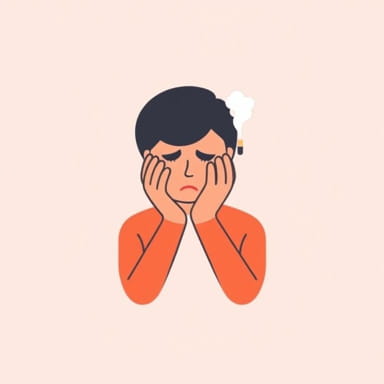
Quitting smoking is a significant achievement that offers numerous health benefits, from improved lung function to reduced risk of heart disease and cancer. However, the journey to becoming smoke-free is not without its challenges. One of the less discussed but common experiences is the onset of depression after quitting smoking. Many individuals find that after stopping nicotine intake, they encounter mood swings, sadness, or even clinical depression. Understanding why this happens, recognizing the signs, and knowing effective coping strategies are essential for navigating this difficult but temporary phase of recovery.
Why Depression Can Occur After Quitting Smoking
Nicotine is a powerful stimulant that affects neurotransmitters in the brain, particularly dopamine, which plays a key role in mood regulation and reward pathways. Regular nicotine use alters the brain’s chemistry, creating a dependence that affects emotional balance. When a person quits smoking, the sudden absence of nicotine can disrupt this balance, leading to withdrawal symptoms including irritability, anxiety, and depression. These mood changes are often temporary but can be intense in the first few weeks after quitting.
Neurochemical Changes
Nicotine increases dopamine release in the brain, providing a temporary sense of pleasure and relaxation. When smoking stops, dopamine levels drop, which can cause feelings of sadness, low energy, and lack of motivation. Other neurotransmitters affected include serotonin and norepinephrine, which also influence mood and emotional stability. This chemical imbalance contributes significantly to post-cessation depression.
Psychological Factors
Beyond neurochemical changes, psychological factors also play a role. Smoking is often associated with coping mechanisms for stress, social interaction, and daily routines. Quitting removes these familiar coping tools, creating emotional voids that can manifest as depression. Individuals who previously relied on cigarettes to manage anxiety or boredom may experience heightened emotional sensitivity during the adjustment period.
Signs and Symptoms of Depression After Quitting
Recognizing depression after quitting smoking is crucial for seeking timely support and intervention. Symptoms can vary in severity and duration, but common indicators include persistent sadness, loss of interest in activities, fatigue, changes in appetite or sleep, difficulty concentrating, and feelings of hopelessness. In more severe cases, individuals may experience thoughts of self-harm or a complete inability to function in daily life.
Common Symptoms
- Persistent low mood or sadness
- Loss of interest or pleasure in previously enjoyable activities
- Fatigue or low energy levels
- Changes in appetite and weight
- Sleep disturbances, such as insomnia or excessive sleeping
- Irritability and anxiety
- Difficulty concentrating and making decisions
- Feelings of hopelessness or worthlessness
Coping Strategies and Support
While post-quitting depression can be challenging, there are several effective strategies to manage symptoms and support mental health during the transition. These strategies include behavioral techniques, lifestyle changes, social support, and professional intervention when necessary. Combining multiple approaches can help individuals navigate this period more effectively and reduce the risk of relapse.
Behavioral Strategies
Engaging in positive behavioral changes can counteract depressive symptoms. Regular physical activity, such as walking, jogging, or yoga, stimulates the release of endorphins and dopamine, improving mood and energy levels. Establishing a daily routine, practicing mindfulness, and setting achievable goals can also provide a sense of control and accomplishment during the adjustment period.
Social Support
Having a support network is essential. Sharing experiences with friends, family, or support groups can provide emotional validation and encouragement. Many individuals find comfort in joining smoking cessation programs, online forums, or local community groups where members understand the challenges of quitting and can offer advice and motivation.
Professional Help
For moderate to severe depression, professional help may be necessary. Mental health professionals can provide therapy options such as cognitive-behavioral therapy (CBT), which addresses negative thought patterns and develops coping mechanisms. In some cases, healthcare providers may recommend antidepressant medication to stabilize mood during nicotine withdrawal. It is essential to consult a physician before starting any medication to ensure safety and efficacy.
Preventing Severe Depression During Quitting
While post-quitting depression is common, certain measures can minimize its severity. Preparing mentally and physically before quitting, setting realistic expectations, and gradually reducing nicotine intake rather than stopping abruptly can ease withdrawal symptoms. Additionally, maintaining a healthy diet, staying hydrated, and prioritizing sleep help support brain chemistry and emotional balance.
Preventive Measures
- Gradually taper nicotine intake using patches, gum, or lozenges
- Plan for stressful situations and develop alternative coping mechanisms
- Engage in daily exercise and outdoor activities
- Seek regular social interaction and emotional support
- Monitor mood changes and consult a professional if symptoms worsen
The Timeline of Post-Quitting Depression
Understanding the typical timeline of withdrawal-related depression can help individuals manage expectations and maintain motivation. Symptoms generally begin within the first few days of quitting, peak during the first one to two weeks, and gradually diminish over several weeks. For most individuals, depressive symptoms improve within a month, although occasional mood fluctuations may persist for longer. Awareness of this timeline helps people recognize that their experiences are a normal part of recovery rather than a permanent state.
Stages of Adjustment
- Initial Days – acute withdrawal symptoms, irritability, anxiety, and mood swings
- First Two Weeks – peak depressive symptoms, strong cravings, and emotional sensitivity
- Weeks 3-4 – gradual improvement in mood, energy, and coping ability
- One Month and Beyond – most withdrawal symptoms subside, long-term behavioral adjustments continue
Depression after quitting smoking is a common and temporary response to the absence of nicotine and the changes it brings to brain chemistry and daily routines. Recognizing the signs, understanding the underlying causes, and implementing coping strategies are essential for managing this challenging phase. Behavioral techniques, social support, professional help, and preventive measures can significantly reduce the severity of post-quitting depression. Awareness of the typical timeline and knowing that these symptoms are a normal part of recovery can empower individuals to persevere. Ultimately, despite the emotional difficulties, quitting smoking provides substantial long-term health benefits, making it a worthwhile endeavor for physical and mental well-being.