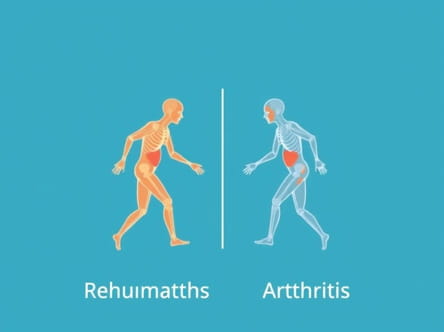
In the United Kingdom, the terms rheumatism and arthritis are often used interchangeably by the public, but medically, they refer to different concepts that are important to understand. Both conditions affect the joints, muscles, and connective tissues, causing discomfort, stiffness, and reduced mobility, yet their causes, progression, and treatments can differ significantly. Misunderstanding the distinction can lead to confusion in diagnosis and management. This topic explores the differences between rheumatism and arthritis in the UK context, highlighting definitions, types, causes, symptoms, and approaches to treatment, helping readers grasp these important health conditions more clearly.
Definition of Rheumatism
Rheumatism is a broad, non-specific term historically used to describe a variety of painful conditions affecting the joints, muscles, and connective tissues. It does not refer to a single disease but rather encompasses multiple disorders that produce pain and stiffness, particularly in the musculoskeletal system. In the UK, the term is still commonly used in everyday language, although medical professionals prefer more precise diagnoses such as osteoarthritis, rheumatoid arthritis, or fibromyalgia when discussing patient care. Rheumatism may involve inflammation, degeneration, or other pathological changes in tissues, and it often serves as a general descriptor for musculoskeletal pain.
Definition of Arthritis
Arthritis, in contrast, is a medical term specifically referring to inflammation of the joints. There are more than 100 types of arthritis, and each has distinct causes, risk factors, and clinical presentations. The most common types in the UK include osteoarthritis, an age-related degenerative condition, and rheumatoid arthritis, an autoimmune disorder where the body’s immune system attacks joint tissues. Arthritis is a precise diagnosis based on clinical evaluation, imaging studies, and laboratory tests, making it a narrower term than rheumatism. It often leads to joint swelling, pain, stiffness, and potential long-term damage if untreated.
Key Differences Between Rheumatism and Arthritis
Understanding the differences between rheumatism and arthritis is essential for proper medical assessment and treatment planning. Some of the main distinctions include
- ScopeRheumatism is a broad term covering various musculoskeletal disorders, whereas arthritis specifically refers to joint inflammation.
- CauseRheumatism can be caused by mechanical wear, autoimmune disorders, or other factors, whereas arthritis often results from immune system dysfunction (rheumatoid arthritis) or joint degeneration (osteoarthritis).
- DiagnosisRheumatism is often a descriptive term without a definitive diagnostic test, while arthritis can be diagnosed through imaging, blood tests, and physical examination.
- TreatmentManagement of rheumatism may focus on symptom relief through painkillers, physiotherapy, and lifestyle modifications. Arthritis treatment may include anti-inflammatory medications, disease-modifying drugs, and surgical interventions.
- Age of OnsetRheumatism can affect people of any age depending on the specific condition, while osteoarthritis primarily affects older adults and rheumatoid arthritis can start in middle age.
Causes and Risk Factors
Both rheumatism and arthritis share overlapping risk factors but differ in their primary causes. Rheumatism’s causes are diverse, ranging from poor posture, repetitive strain, and aging to autoimmune reactions. Environmental factors, diet, and stress may also contribute to musculoskeletal discomfort classified as rheumatism. Arthritis, however, has more specific etiologies. Osteoarthritis develops due to cartilage breakdown, joint overuse, or injuries. Rheumatoid arthritis and other autoimmune-related arthritides result from immune system malfunctions, often influenced by genetic predisposition and environmental triggers. Understanding these differences helps clinicians develop appropriate treatment and preventive strategies.
Symptoms Comparison
Symptoms of rheumatism and arthritis may overlap, such as joint pain, stiffness, and swelling, but there are notable differences in presentation
- RheumatismSymptoms are often diffuse, affecting multiple areas including muscles, ligaments, and tendons. Pain may vary in intensity and is sometimes described as aching or throbbing. Stiffness can be intermittent, and systemic signs like fatigue may accompany certain rheumatic conditions.
- ArthritisJoint-specific symptoms dominate, including swelling, redness, warmth, and tenderness. Osteoarthritis may cause a grinding sensation or reduced range of motion, while rheumatoid arthritis often presents with symmetrical joint involvement, morning stiffness, and potential joint deformity over time.
Diagnosis Approaches in the UK
In the UK, general practitioners and specialists employ a combination of history-taking, physical examination, and diagnostic tests to differentiate rheumatism from arthritis
- Medical HistoryAssessing the pattern, duration, and triggers of pain provides clues about the underlying condition.
- Physical ExaminationDoctors evaluate joint swelling, tenderness, range of motion, and musculoskeletal alignment.
- Laboratory TestsBlood tests such as rheumatoid factor, anti-CCP antibodies, and inflammatory markers help confirm autoimmune arthritis.
- Imaging StudiesX-rays, MRI, and ultrasound can detect joint degeneration, inflammation, or soft tissue involvement, clarifying whether arthritis or another rheumatic condition is present.
Treatment Options
Treatment strategies vary based on whether the condition is classified as rheumatism or arthritis
- RheumatismManagement may include analgesics, nonsteroidal anti-inflammatory drugs (NSAIDs), heat therapy, physiotherapy, and lifestyle changes such as exercise and ergonomics to reduce pain and improve mobility.
- ArthritisTreatment is more targeted. Osteoarthritis may be managed with pain relief, joint injections, physiotherapy, and surgical interventions like joint replacement. Rheumatoid arthritis often requires disease-modifying antirheumatic drugs (DMARDs), biologic therapies, and corticosteroids to control immune-mediated inflammation.
Living With Rheumatism or Arthritis in the UK
Living with either condition requires ongoing management and lifestyle adjustments. Patients are encouraged to maintain a healthy diet, engage in low-impact physical activity, and follow medical advice to prevent flare-ups. Support groups, patient education programs, and physiotherapy services in the UK provide resources for coping with chronic pain and maintaining quality of life. Early diagnosis and proactive management are key to reducing long-term disability and improving outcomes for both rheumatism and arthritis sufferers.
Public Perception and Misunderstandings
Despite medical distinctions, the general public in the UK often uses rheumatism and arthritis interchangeably, sometimes leading to misunderstandings about severity, prognosis, and treatment options. Healthcare professionals emphasize the importance of precise terminology to ensure appropriate care. Awareness campaigns and patient education initiatives help clarify differences, empowering individuals to seek the right interventions and follow evidence-based management plans.
while rheumatism and arthritis share similarities in affecting the joints and causing discomfort, they are distinct concepts. Rheumatism is a broad term describing various musculoskeletal pain conditions, while arthritis specifically refers to joint inflammation with identifiable types and causes. Understanding the differences is crucial for accurate diagnosis, effective treatment, and improved patient outcomes in the UK. By recognizing the specific characteristics of each condition, patients and healthcare providers can collaborate to manage symptoms, prevent complications, and enhance overall quality of life.