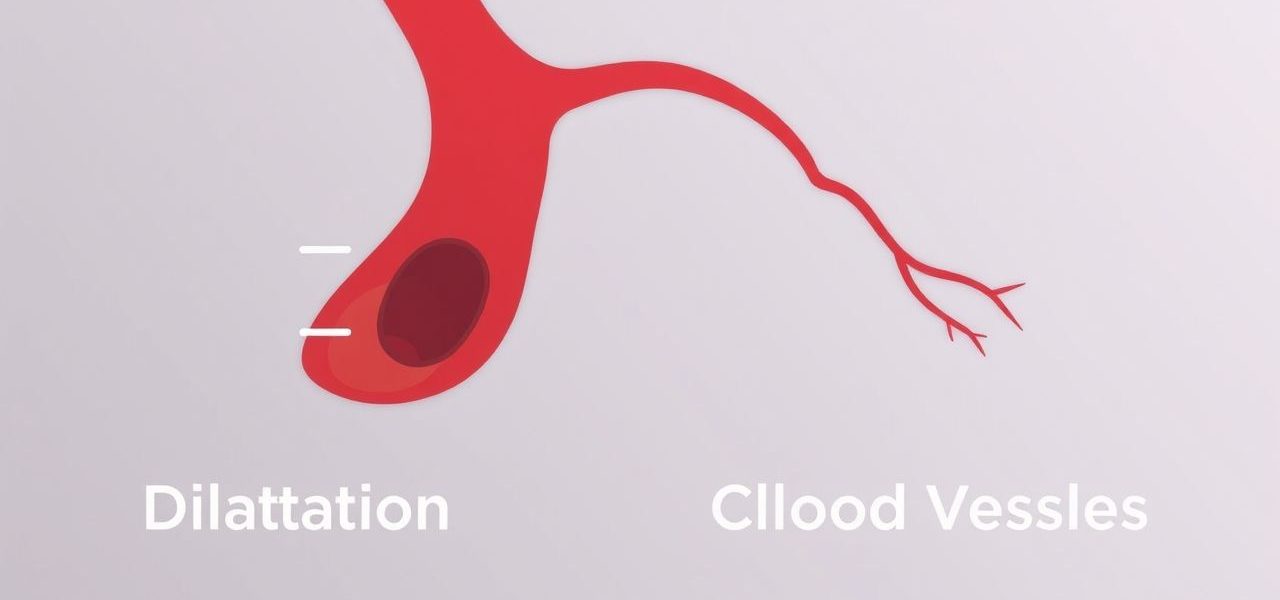
The human body relies on a complex network of blood vessels to deliver oxygen, nutrients, and hormones to every cell while removing waste products. One of the most fascinating aspects of this circulatory system is the ability of blood vessels to adjust their diameter. They can widen, a process called dilation, or narrow, a process called constriction. These changes are not random; they serve vital roles in regulating blood flow, maintaining blood pressure, and ensuring that organs receive the oxygen they need during different situations. Understanding the mechanisms and effects of dilation and constriction of blood vessels helps explain how the body adapts to exercise, stress, temperature changes, and even illness.
What Is Blood Vessel Dilation?
Dilation of blood vessels, also known as vasodilation, occurs when the smooth muscles in the vessel walls relax. This relaxation increases the internal diameter of the vessels, allowing more blood to pass through with less resistance. Vasodilation is often triggered when tissues need more oxygen and nutrients, such as during physical activity or exposure to heat.
Causes of Vasodilation
- ExerciseActive muscles demand more oxygen and energy, prompting blood vessels to dilate.
- Heat exposureWhen the body is warm, vessels dilate to release heat through the skin.
- Chemical mediatorsSubstances like nitric oxide, histamine, and prostaglandins can cause dilation.
- Hormonal influenceCertain hormones, including adrenaline in specific conditions, can promote vessel relaxation.
Effects of Vasodilation
The main consequence of vasodilation is an increase in blood flow to tissues. This is essential during times of high activity, as muscles and organs require additional oxygen. Vasodilation also helps lower blood pressure by reducing vascular resistance. Additionally, it plays an important role in cooling the body by directing more blood to the skin where heat can dissipate.
What Is Blood Vessel Constriction?
Constriction of blood vessels, or vasoconstriction, is the opposite process. It happens when the smooth muscles around the vessel walls contract, reducing the internal diameter of the vessel. This increases resistance to blood flow and can elevate blood pressure. Vasoconstriction is a protective mechanism, ensuring that blood is directed toward vital organs when necessary.
Causes of Vasoconstriction
- Cold temperaturesThe body reduces blood flow to the skin to conserve heat.
- Stress responseDuring fight-or-flight situations, adrenaline triggers vasoconstriction in some areas.
- Blood lossTo preserve circulation to critical organs, vessels constrict after injury or bleeding.
- Medications and substancesCertain drugs and chemicals can induce constriction for therapeutic or unintended reasons.
Effects of Vasoconstriction
Vasoconstriction raises blood pressure and reduces blood flow to less essential regions, such as the skin or digestive tract, during emergencies. This ensures that organs like the brain and heart receive adequate circulation. While beneficial in short-term situations, prolonged vasoconstriction can contribute to hypertension and cardiovascular strain.
The Balance Between Dilation and Constriction
The circulatory system is constantly balancing between dilation and constriction. This balance is critical for homeostasis. For example, during exercise, blood vessels in the muscles dilate, while those in the digestive tract may constrict, redirecting blood flow to where it is needed most. Similarly, during extreme temperatures, the body shifts between dilation to cool down and constriction to retain warmth.
Autonomic Nervous System Regulation
The autonomic nervous system plays a central role in controlling vessel diameter. The sympathetic branch tends to promote vasoconstriction, while signals that trigger vasodilation often involve local factors like nitric oxide released by endothelial cells. This fine-tuned system allows the body to adjust circulation moment by moment.
Health Conditions Related to Vessel Dilation and Constriction
Problems with blood vessel function can lead to serious health issues. Understanding how dilation and constriction work helps explain the development and management of several medical conditions.
Hypertension
Chronic vasoconstriction is a major contributor to high blood pressure. When vessels remain narrowed over time, the heart must work harder to pump blood, which can lead to heart disease and stroke.
Shock
In certain medical emergencies, such as septic shock, blood vessels dilate excessively, causing blood pressure to drop dangerously low. This can deprive organs of the circulation they need.
Asthma and Allergic Reactions
Histamine release during allergic reactions can cause sudden vasodilation, leading to symptoms such as redness, swelling, and in severe cases, anaphylaxis.
Peripheral Artery Disease
In this condition, blood vessels in the legs constrict due to plaque buildup, limiting blood flow and causing pain during movement.
Everyday Examples of Vessel Dilation and Constriction
These processes are not only medical concepts; they can be observed in daily life. When someone blushes, their facial blood vessels dilate. When a person feels cold and their skin looks pale, vasoconstriction is occurring. Even the act of standing up quickly from a sitting position involves rapid adjustments of vessel diameter to maintain stable blood pressure.
Lifestyle Factors That Influence Blood Vessels
Habits and lifestyle choices can impact how effectively blood vessels dilate and constrict. Regular exercise enhances the ability of vessels to dilate, improving circulation and cardiovascular health. A diet rich in antioxidants, omega-3 fatty acids, and nitric oxide-boosting foods supports vascular flexibility. On the other hand, smoking, excessive alcohol, and chronic stress can impair proper regulation, increasing the risk of disease.
The dilation and constriction of blood vessels are essential physiological processes that regulate circulation, maintain blood pressure, and help the body respond to changes in activity, temperature, and stress. By working in harmony, these mechanisms ensure that vital organs receive the blood they need under all circumstances. However, when regulation fails, health problems such as hypertension, shock, or vascular disease may arise. A deeper understanding of vasodilation and vasoconstriction not only highlights the adaptability of the circulatory system but also emphasizes the importance of healthy lifestyle choices in supporting vascular function.
In summary, blood vessel dilation and constriction act like the body’s internal traffic control system, directing blood flow precisely where and when it is required. This constant adjustment is a key element of human survival and overall well-being.