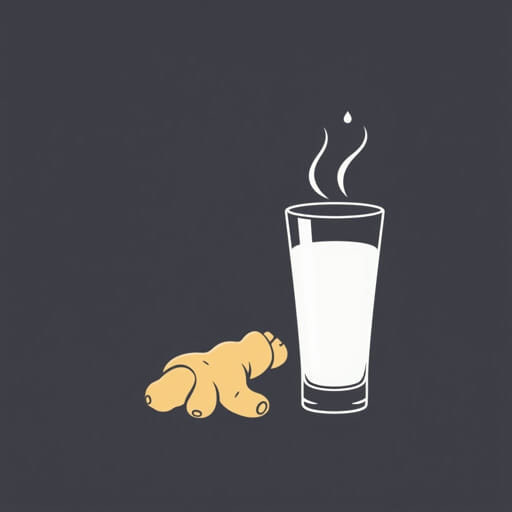
Ginger is a powerful ingredient that has been used for centuries in cooking and traditional medicine. It adds a distinct spicy flavor to both sweet and savory dishes and is known for its health benefits. However, when ginger is combined with milk, an interesting chemical reaction can occur curdling. Many people who enjoy experimenting in the kitchen may wonder: does ginger curdle milk? The answer involves some basic science and an understanding of how ginger interacts with dairy. Let’s explore this relationship and see how it affects recipes and the use of ginger in milk-based preparations.
Why Ginger Causes Milk to Curdle
Yes, ginger can curdle milk. This happens because fresh ginger contains natural enzymes, specifically proteolytic enzymes known as zingibain. These enzymes break down the proteins in milk, particularly casein, which leads to the curdling effect. When ginger is added to warm or hot milk, these enzymes act faster and cause the proteins in the milk to coagulate and separate, forming curds.
The Science Behind the Reaction
Milk contains several components, including water, fat, lactose (milk sugar), and proteins like casein. Normally, the proteins are evenly suspended in the liquid, giving milk its smooth consistency. When ginger’s enzymes are introduced, they begin breaking down the casein proteins. Heat accelerates this process. As the proteins break down and bind together, they form visible curds, making the milk look and feel grainy or lumpy.
When This Reaction Is Desirable
In some culinary traditions, the curdling of milk with ginger is not only accepted but actually intended. For example, in certain Indian or Chinese desserts, the curdling reaction is a key part of the dish’s texture and flavor. In these recipes, fresh ginger is combined with heated milk and sometimes sugar to intentionally separate the curds and create a soft, custard-like consistency.
- Ginger Milk Curd (Ginger Milk Pudding): A traditional Chinese dessert that relies on the curdling effect to form a smooth, delicate pudding made from just ginger juice, milk, and sugar.
- Paneer Making: Though not typically made with ginger, similar coagulating agents like lemon juice or vinegar are used to curdle milk and create cheese. The idea is similar: using an acidic or enzymatic ingredient to separate milk solids.
When Curdling Is a Problem
While curdling can be desirable in some recipes, in many cases it’s something cooks try to avoid. For example, when adding ginger to creamy sauces, soups, or tea with milk, accidental curdling can ruin the dish’s texture and appearance. Here are some common scenarios where ginger might unintentionally curdle milk:
- Ginger Tea with Milk: Adding fresh ginger directly to boiling milk for tea can cause it to curdle quickly.
- Creamy Sauces: Using ginger in cream-based curries or sauces without properly balancing ingredients can result in separation.
- Blended Drinks: Smoothies or shakes containing ginger and milk may curdle if left sitting for too long or mixed improperly.
How to Prevent Milk from Curdling with Ginger
If you want to combine ginger and milk but avoid curdling, there are a few tips you can follow to minimize the risk:
Use Dried or Powdered Ginger
Dried ginger or ground ginger does not contain active enzymes like fresh ginger does. Using these forms of ginger in milk-based recipes is much safer and unlikely to cause curdling.
Add Ginger to Water, Not Milk
If you’re making a tea or infusion, boil the ginger in water first. After the ginger flavor is extracted, you can add milk afterward. This method reduces direct contact between the milk and the enzymes in ginger.
Cool the Milk Slightly Before Adding Ginger
Letting milk cool slightly after boiling before adding fresh ginger can reduce enzyme activity. High heat intensifies the curdling reaction, so slightly cooler milk might help slow the process down.
Use Pasteurized Milk
Some people find that pasteurized or ultra-pasteurized milk resists curdling better due to its already-altered protein structure. This might help maintain smoothness when combining with ginger.
Alternative Approaches
If you want to enjoy the flavor of ginger with milk without worrying about curdling, consider these alternative approaches:
- Infuse Ginger Separately: Simmer ginger in water or sugar syrup to extract flavor, then add this to milk-based drinks or desserts without the raw ginger.
- Strain Fresh Ginger: Grate ginger and press the juice, then use only a small amount of the juice to minimize enzyme activity.
- Use Ginger-Flavored Products: Try ginger syrup or ginger essence that offers the same flavor without the raw enzymes that cause curdling.
Is Curdled Milk Safe to Eat?
If the milk has curdled naturally due to ginger and is part of a planned recipe, then yes, it is safe to consume. In traditional desserts, the curdled texture is intended and does not indicate spoilage. However, if the milk has curdled unintentionally or smells sour, it may have spoiled, and it’s best not to use it.
It’s important to distinguish between curdling caused by enzymes, which is often quick and intentional, and curdling from milk going bad, which is due to bacterial spoilage. Always trust your senses if it smells off or tastes sour, it’s best to discard it.
Ginger and Dairy in Cooking
While ginger and milk are not always compatible in liquid form, they can coexist well in solid or cooked forms. For example, baked goods like gingerbread or spiced cakes often contain both ginger and milk without any problems. That’s because the ingredients are combined in dry form and cooked together, which eliminates any risk of curdling.
In Indian cuisine, dairy and ginger are often used together in dishes like curries, but usually in the form of yogurt, cream, or paneer, which are more stable. Proper cooking techniques and timing make it possible to balance both ingredients without unwanted reactions.
So, does ginger curdle milk? Yes, fresh ginger has natural enzymes that can curdle milk, especially when heat is involved. This reaction is sometimes desired, such as in certain desserts, but it can be problematic in other dishes. Understanding how to manage this interaction by controlling temperature, choosing the right form of ginger, or adjusting the sequence of ingredients can help you avoid curdling or use it to your advantage. Whether you’re making ginger tea, experimenting with custards, or cooking with dairy, knowing how ginger affects milk allows you to make better choices in the kitchen.