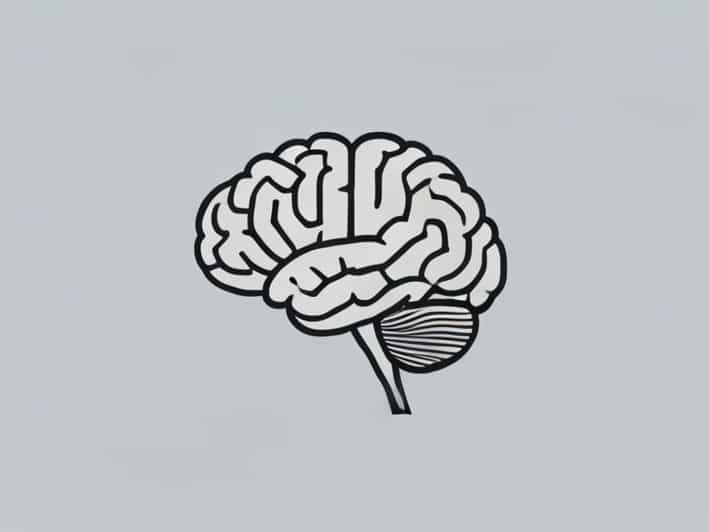
The human brain is one of the most complex and fascinating organs in the body, responsible for an incredible range of functions that touch every aspect of life. From controlling basic bodily functions to shaping thoughts, emotions, and behaviors, the brain serves as the central command center for the human body. Understanding what the brain is responsible for requires exploring its intricate structure, the specific roles of its different regions, and how it interacts with the nervous system and other bodily systems. Its ability to adapt, learn, and store memories makes it fundamental not just to survival but to the unique experiences that define human existence.
Understanding the Brain’s Structure
The Cerebrum
The cerebrum is the largest part of the brain and is divided into two hemispheres, each responsible for different types of functions. It controls higher-order functions such as reasoning, problem-solving, planning, and conscious thought. The cerebrum is also where sensory perception occurs, allowing humans to process visual, auditory, olfactory, and tactile information from the environment. Different lobes of the cerebrum specialize in specific tasks
- Frontal lobeResponsible for decision-making, problem-solving, voluntary movement, and expressive language.
- Parietal lobeProcesses sensory information such as touch, temperature, and pain.
- Temporal lobeInvolved in memory, auditory processing, and understanding language.
- Occipital lobeResponsible for interpreting visual information.
The Cerebellum
The cerebellum is located under the cerebrum and is essential for coordinating movement and balance. While it does not initiate movement, it fine-tunes motor activity, ensuring smooth and precise motion. The cerebellum also plays a role in motor learning, which allows humans to improve skills over time, such as riding a bicycle or playing a musical instrument. Damage to the cerebellum can result in loss of coordination, difficulty walking, and impaired motor control.
The Brainstem
The brainstem connects the brain to the spinal cord and regulates many vital involuntary functions, such as heartbeat, breathing, digestion, and blood pressure. It acts as a relay station, sending signals between the brain and the rest of the body. The brainstem is divided into three main parts the midbrain, pons, and medulla oblongata, each contributing to different essential functions
- MidbrainCoordinates vision, hearing, and eye movements.
- PonsRelays messages between the cerebrum and cerebellum and assists in controlling breathing.
- Medulla oblongataRegulates vital autonomic functions such as heart rate and blood pressure.
The Brain and Cognitive Functions
Memory and Learning
The brain is responsible for memory storage and retrieval, processes that allow humans to learn from experience. The hippocampus, a structure within the temporal lobe, is critical for forming new memories and connecting them with existing knowledge. The brain categorizes memories as short-term or long-term, with long-term memory enabling individuals to retain knowledge over years. Memory functions influence learning, decision-making, and problem-solving abilities.
Decision Making and Problem Solving
The prefrontal cortex, located in the frontal lobe, is the key area for complex cognitive behaviors such as decision-making, reasoning, and planning. It allows humans to evaluate consequences, weigh options, and make informed choices. Without this capability, daily life and personal safety would be severely affected. Problem-solving skills, from simple tasks to complex challenges, rely heavily on this region of the brain.
Language and Communication
The brain controls language processing through specialized areas such as Broca’s area, responsible for speech production, and Wernicke’s area, which is crucial for understanding language. These areas allow humans to communicate effectively, convey emotions, share ideas, and maintain social relationships. Damage to these areas can result in language deficits, affecting communication and comprehension.
Emotions and Behavioral Control
The Limbic System
The limbic system, including structures like the amygdala and hippocampus, plays a central role in regulating emotions, motivation, and social behaviors. It helps individuals respond to fear, pleasure, and stress, guiding appropriate reactions to environmental stimuli. This system also contributes to forming emotional memories, which influence future decisions and social interactions.
Behavioral Regulation
The brain is responsible for controlling impulses and regulating behavior through a combination of the prefrontal cortex and limbic system. It balances emotional reactions with rational thought, helping individuals make socially acceptable decisions. Disruptions in these areas can lead to impulsivity, aggression, or difficulty controlling emotions.
Physical Functions Controlled by the Brain
Movement and Coordination
The brain communicates with muscles through the motor cortex and spinal cord, controlling voluntary movements. Coordination, posture, and fine motor skills rely on the integration of signals from the cerebrum, cerebellum, and basal ganglia. These functions allow humans to perform complex tasks, from writing and typing to athletic activities.
Autonomic Functions
Many essential bodily functions are regulated without conscious thought. The autonomic nervous system, controlled by the brainstem and hypothalamus, manages heart rate, respiration, digestion, and temperature regulation. These processes maintain homeostasis, ensuring the body operates efficiently and responds appropriately to stress or environmental changes.
Brain Health and Cognitive Maintenance
Nutrition and Exercise
Maintaining brain health involves proper nutrition and regular physical activity. Foods rich in antioxidants, omega-3 fatty acids, and vitamins support neural function, while exercise improves blood flow to the brain, enhancing cognitive abilities and mood regulation.
Mental Stimulation
Engaging in mentally stimulating activities such as reading, problem-solving, and learning new skills helps maintain and even improve cognitive function. Neuroplasticity, the brain’s ability to reorganize and form new neural connections, allows for adaptation throughout life.
Sleep and Rest
Sleep is crucial for brain function, supporting memory consolidation, toxin removal, and overall mental health. Lack of adequate sleep impairs cognitive performance, emotional regulation, and physical health.
The brain is responsible for everything that makes humans function, from basic survival tasks to complex thoughts, emotions, and behaviors. Its intricate structures coordinate physical movement, memory, learning, language, decision-making, and emotional responses. Understanding how the brain works and supporting its health through nutrition, exercise, mental stimulation, and rest is essential for long-term cognitive performance and overall well-being. As science continues to explore the brain’s mysteries, our appreciation of its role in shaping human life grows, highlighting the importance of protecting and nurturing this remarkable organ.