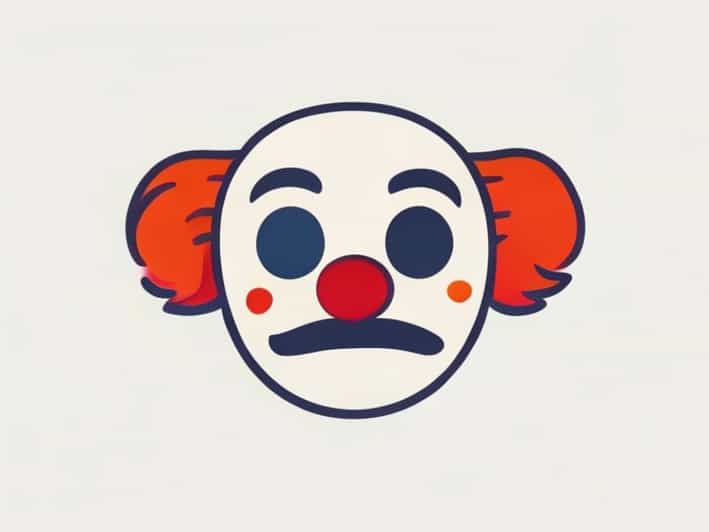
The image of a clown usually brings to mind bright colors, laughter, and joyful entertainment. Yet the idea of a frown on a clown introduces a deeper, more emotional perspective. It represents the contrast between outward happiness and inner sadness a powerful symbol that has appeared in art, literature, and popular culture for centuries. The frowning clown challenges our assumptions about happiness and invites us to look beyond the painted smile. Exploring this concept helps us understand the complexities of human emotion, performance, and the fine line between comedy and tragedy.
The Symbolism Behind a Frown on a Clown
A frown on a clown is more than just an unusual sight; it carries strong emotional and philosophical meaning. Traditionally, a clown’s purpose is to make people laugh. The exaggerated makeup, red nose, and colorful costume are designed to amuse and delight. But when that same clown frowns, the image feels unsettling. It reveals vulnerability beneath the mask a reminder that even those who bring joy to others can struggle with sadness or loneliness themselves.
This contrast between joy and sorrow has fascinated audiences for centuries. The frowning clown symbolizes the human tendency to hide pain behind a façade of humor or strength. It is a metaphor for how people often wear emotional masks in everyday life, smiling in public while carrying private burdens.
The Tragic Clown in Art and Culture
The concept of a sad or frowning clown has a long history in visual art, theater, and film. One of the most iconic examples is the Pierrot, a character from Italian and French theater who often appears melancholic, longing for love or acceptance. His white face and downturned mouth became enduring symbols of emotional depth and isolation beneath performance.
In modern times, this archetype continues to appear in various forms from paintings and poetry to movies and songs. The phrase a frown on a clown captures this idea perfectly, merging the expectation of laughter with the reality of sorrow. Artists use this contradiction to explore themes of identity, vulnerability, and the price of performing happiness.
Notable Examples in Popular Culture
- Pagliacci (1892)The opera by Ruggero Leoncavallo tells the story of a clown who must perform for an audience even as he experiences deep personal heartbreak. His frown becomes a tragic symbol of duty over emotion.
- Charlie ChaplinThe beloved silent film actor often portrayed a humorous yet sorrowful figure. His characters laughed through hardship, showing that humor can coexist with pain.
- Joker (2019)The modern film presents the clown as a symbol of inner turmoil and societal alienation. It demonstrates how laughter can sometimes mask profound suffering.
The Psychology Behind the Frowning Clown
From a psychological standpoint, the frown on a clown can be linked to the concept of emotional dissonance the gap between what we feel inside and what we show to the world. Many performers, comedians, and entertainers experience this duality. They may bring joy to audiences while privately battling anxiety, depression, or loneliness.
This phenomenon has been studied in psychology as the sad clown paradox. It reflects how people who seem the happiest or funniest can sometimes carry the deepest sadness. The act of entertaining becomes both a source of fulfillment and emotional strain. The clown’s frown, therefore, becomes a mirror for anyone who hides their emotions behind a public smile.
The Hidden Struggles of Performers
Behind the curtain, many performers face pressures that audiences rarely see. Constantly being expected to make others laugh can become exhausting, leading to emotional fatigue. The makeup and costume serve as armor, allowing the performer to separate their stage persona from their true self. But when the makeup comes off, the emotional weight often returns.
This dual existence laughter on stage and sadness behind it embodies the frown on a clown. It shows that joy and pain are not opposites but rather two sides of the same human experience.
The Artistic Power of Contrast
One reason the image of a frowning clown is so powerful is because it breaks expectations. Audiences anticipate laughter from clowns, not tears. When those expectations are reversed, the emotional impact is stronger. This contrast between comedy and tragedy creates what artists call emotional tension, which draws people in and makes them reflect on their own emotions.
Throughout history, artists have used this tension to create meaningful works that explore the fragility of happiness. The clown’s painted face becomes a metaphor for the masks everyone wears in daily life. Beneath the bright colors and exaggerated expressions lies the truth of human vulnerability.
Interpreting A Frown on a Clown as a Life Lesson
On a philosophical level, the idea of a frown on a clown teaches us valuable lessons about empathy and authenticity. It reminds us that appearances can be deceiving that people who seem cheerful may be quietly struggling. In a world where social media and entertainment often promote constant happiness, the frowning clown offers a counter-message it’s okay not to be okay.
This symbolism encourages compassion. It invites us to look beyond outward smiles and pay attention to the emotional well-being of others. It also highlights the importance of expressing true feelings instead of suppressing them. In this sense, the frowning clown becomes a figure of honesty someone who can no longer hide behind the mask of performance.
How the Frown Reflects the Human Condition
The human experience is filled with contradictions. We seek joy while enduring pain, and we laugh even in moments of despair. The frown on a clown captures this paradox perfectly. It symbolizes how laughter can coexist with sadness and how vulnerability can make us more human. Just as the clown’s tears mix with paint, our emotions blend together, shaping who we are.
Modern Interpretations and Meanings
In contemporary society, the idea of a frown on a clown continues to evolve. It appears in modern art, photography, and even fashion as a symbol of emotional complexity. Some interpret it as a critique of artificial happiness the pressure to smile in a world that often ignores mental health. Others see it as a poetic reminder that beauty can be found in sadness, and that expressing vulnerability is a form of strength.
In psychology, therapists sometimes use clown imagery to discuss the concept of emotional masking. The clown’s painted smile becomes a representation of how people manage social expectations while hiding their true feelings. This visual metaphor helps individuals open up about their struggles in a relatable, non-threatening way.
The Role of Humor in Healing
Interestingly, while the frowning clown represents sadness, it also highlights the power of humor as a coping mechanism. Laughter can be both a shield and a healing tool. Many people use humor to deal with pain, transforming sorrow into something that can be shared and understood. This duality shows that even a clown’s frown can lead to moments of genuine connection and relief.
In hospitals and therapy programs, medical clowns often use gentle humor to comfort patients. Even though they wear the same costume as traditional clowns, their goal is to bring compassion rather than just laughter. This modern approach shows that the spirit of the clown even one who frowns can still bring hope and understanding.
The phrase a frown on a clown captures one of the most profound truths about human nature joy and sadness are intertwined. Behind every smile may lie a story of struggle, and behind every laugh, a whisper of pain. The frowning clown reminds us that emotions are complex and that authenticity often means embracing both happiness and sorrow. Whether viewed as a symbol, an artistic theme, or a psychological insight, the image continues to resonate because it reflects the real world a place where even those who bring laughter sometimes wear a hidden frown.