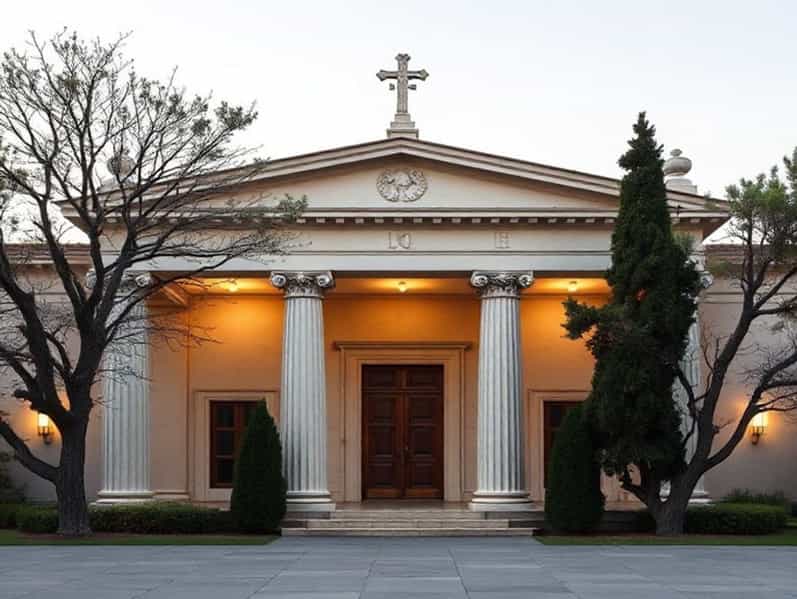
The Aula Isiaca and Loggia Mattei are two remarkable historical sites in Rome that capture the essence of ancient art, culture, and architectural sophistication. Both locations are lesser-known compared to Rome’s famous landmarks but offer a fascinating glimpse into the artistic and social life of the Roman elite. The Aula Isiaca, with its rich frescoes and Egyptian-inspired motifs, and the Loggia Mattei, known for its intimate garden and elegant Renaissance design, exemplify the fusion of aesthetic grandeur and cultural symbolism. Exploring these sites provides insights into Rome’s layered history, the tastes of its aristocracy, and the enduring influence of classical and Renaissance art.
The Aula Isiaca History and Significance
The Aula Isiaca, also known as the Isiac Hall, is an extraordinary example of Roman fresco art. It dates back to the late Republican or early Imperial period and was named for its distinctive decorations inspired by Egyptian themes and the cult of Isis. The hall was likely part of a larger domus or villa belonging to a wealthy Roman family, illustrating the fascination with Egyptian culture that permeated Roman society during this era. The frescoes depict mythological and ritual scenes, blending Roman artistic techniques with Egyptian symbolism, creating a unique visual experience that reflects both devotion and cultural curiosity.
Artistic Features of the Aula Isiaca
- Frescoes combining Egyptian motifs with Roman stylistic elements
- Depictions of ritual scenes, including offerings and ceremonial processions
- Use of vibrant colors and intricate detailing to convey spiritual and cultural themes
- Architectural integration of frescoes with the overall spatial design of the hall
The Aula Isiaca is particularly valued for its rare representation of Egyptian influence on Roman domestic architecture. The artworks provide evidence of cultural exchange and the adoption of foreign religious practices, which were often incorporated into elite Roman lifestyles. Scholars consider it an important reference for understanding the aesthetic preferences and spiritual practices of the Roman upper class during the period.
Loggia Mattei Renaissance Elegance
In contrast to the ancient allure of the Aula Isiaca, the Loggia Mattei represents the refined elegance of Renaissance architecture. Located in the heart of Rome, it was commissioned by the Mattei family, one of the prominent aristocratic families of the city. The loggia is part of the family’s larger palazzo complex and is renowned for its graceful design, intricate stucco work, and harmonious proportions. Beyond its architectural significance, the Loggia Mattei houses a serene garden courtyard, providing an intimate space for social gatherings, artistic appreciation, and leisurely reflection. Its design exemplifies the Renaissance ideal of integrating art, nature, and domestic life.
Key Features of the Loggia Mattei
- Elegant Renaissance architectural style with classical proportions
- Decorative elements such as frescoes, stucco reliefs, and sculptural details
- Integration of indoor and outdoor spaces through a central garden courtyard
- Historical significance as a social and cultural hub for the Mattei family
The Loggia Mattei exemplifies the Renaissance emphasis on beauty, symmetry, and humanist ideals. Its preservation allows visitors to experience the sophistication of Roman aristocratic life during the 16th and 17th centuries. The combination of art, architecture, and landscaped space illustrates how Renaissance patrons invested in creating environments that celebrated culture, learning, and refinement.
Comparing Aula Isiaca and Loggia Mattei
While the Aula Isiaca and Loggia Mattei belong to different historical periods, they share common themes that highlight the intersection of art, culture, and social identity. The Aula Isiaca reflects the cosmopolitan curiosity of ancient Rome, incorporating Egyptian motifs and religious symbolism into a domestic setting. In contrast, the Loggia Mattei embodies the humanist and aesthetic priorities of the Renaissance, emphasizing proportion, decoration, and the integration of natural and architectural beauty. Both sites reveal how Rome’s elite used architecture and art to communicate status, taste, and intellectual engagement.
Architectural and Cultural Insights
- The Aula Isiaca demonstrates the adaptability of Roman art, blending foreign influences with local traditions.
- The Loggia Mattei highlights the Renaissance focus on harmony, balance, and classical revival.
- Both sites served as spaces for social interaction, cultural expression, and artistic patronage.
- They provide valuable evidence of changing aesthetic preferences and the evolution of elite domestic spaces across centuries.
Visiting and Preserving These Sites
Today, both the Aula Isiaca and Loggia Mattei offer unique experiences for historians, art enthusiasts, and tourists seeking to explore Rome beyond its more famous landmarks. Visiting these sites allows for close observation of artistic techniques, architectural details, and the interplay of cultural influences. Preservation efforts have been crucial in maintaining the integrity of the frescoes, stucco work, and overall structural condition, ensuring that future generations can appreciate the historical and artistic value of these spaces.
Tips for Visitors
- Plan visits through guided tours to gain in-depth historical and artistic context
- Respect preservation rules, such as avoiding touching walls or frescoes
- Observe details in decoration, such as motifs, color schemes, and architectural layouts
- Combine visits with other nearby historical sites to fully appreciate Rome’s layered history
The Aula Isiaca and Loggia Mattei exemplify Rome’s rich tapestry of art, culture, and architectural innovation. The Aula Isiaca offers insight into ancient Roman fascination with Egyptian culture, showcasing intricate frescoes that blend foreign motifs with Roman artistry. The Loggia Mattei, on the other hand, captures the elegance and humanist ideals of the Renaissance, combining refined architecture with a serene garden space. Together, they illustrate how Rome’s elite used art and architecture to convey social status, cultural knowledge, and aesthetic values. Exploring these sites provides a deeper understanding of Rome’s historical evolution and the enduring legacy of its artistic and architectural achievements. Both the Aula Isiaca and Loggia Mattei remain testaments to the city’s ability to integrate history, culture, and artistry in spaces that continue to inspire and educate visitors from around the world.