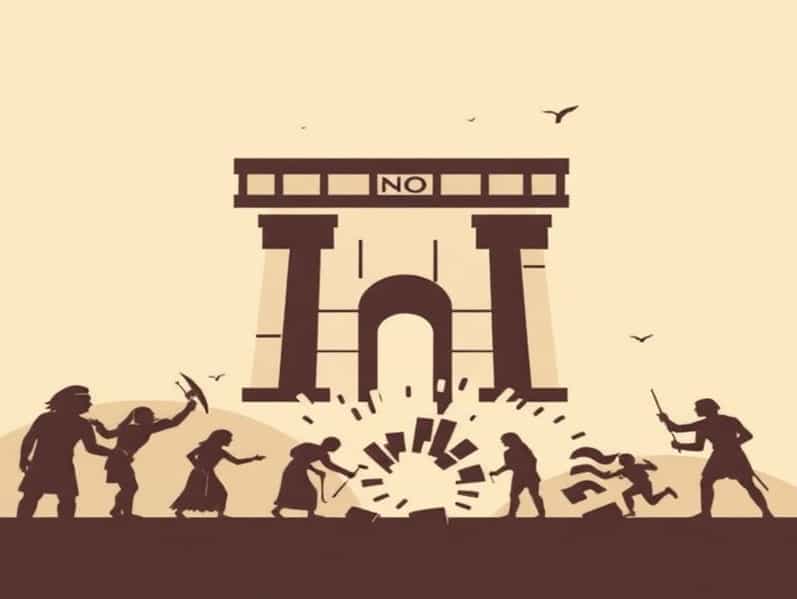
The Destruction of Sennacherib is a vivid and powerful poem by Lord Byron, exploring themes of war, divine intervention, and the fragility of human ambition. The poem captures the sudden defeat of the Assyrian king Sennacherib and his army as they threatened Jerusalem, drawing from the historical and biblical accounts of this event. BBC Bitesize provides an accessible analysis of the poem, breaking down its structure, language, and themes to help students understand its historical context and literary techniques. Understanding the poem requires both an appreciation of its dramatic imagery and an awareness of the historical events that inspired Byron.
Historical Context of The Destruction of Sennacherib
The poem is based on a biblical story from the Second Book of Kings, which recounts the Assyrian siege of Jerusalem. Sennacherib, the king of Assyria, led a mighty army to conquer the city, but according to scripture, the army was miraculously defeated. Byron’s poem dramatizes this event, emphasizing the suddenness and totality of the Assyrian downfall. Understanding this historical and religious background is essential for interpreting the poem’s imagery and themes, as the work relies on the contrast between human pride and divine power.
Structure and Form
The Destruction of Sennacherib is written in a ballad form, which was commonly used for storytelling in verse. The poem consists of short stanzas with a regular rhyme scheme, which gives it a rhythmic and almost musical quality. This structure supports the narrative flow, helping to convey the dramatic events quickly and effectively. Each stanza builds tension and emphasizes the suddenness of the Assyrian army’s destruction, contributing to the overall impact of the poem.
Key Themes in the Poem
The poem explores several interrelated themes, many of which are highlighted in BBC Bitesize resources to support student understanding.
Divine Intervention and Power
One of the central themes is the power of divine intervention. The poem portrays the destruction of Sennacherib’s army as an act of God, emphasizing that human strength and military might are ultimately powerless against divine will. This theme is reinforced through vivid imagery and repetition, underscoring the idea that pride and ambition can be quickly overturned by forces beyond human control.
Human Ambition and Hubris
The poem also explores human ambition and hubris. Sennacherib is depicted as a proud and powerful king, confident in his ability to conquer Jerusalem. Byron contrasts this arrogance with the sudden and complete downfall of his army, illustrating the fleeting nature of human power. BBC Bitesize notes that the poem serves as a cautionary tale about the dangers of overconfidence and the limits of earthly power.
Imagery and Language
Byron’s use of imagery is particularly striking. The poem employs metaphors and similes to describe the Assyrian army as a wolf on the fold, emphasizing both their aggression and their vulnerability. The vivid descriptions of the army’s destruction, including the angel of death that smites them, create a dramatic and memorable picture. BBC Bitesize highlights the importance of these images in conveying the poem’s emotional and thematic impact, making it easier for students to visualize the events and understand their significance.
Sound and Rhythm
The rhythm and sound of the poem contribute to its dramatic effect. The ballad-like meter and rhyme scheme create a sense of movement and urgency, reflecting the rapid and decisive destruction of Sennacherib’s forces. Alliteration and assonance are used to enhance the musical quality of the verse, while the repetition of key phrases reinforces the poem’s central themes. According to BBC Bitesize, paying attention to sound devices can help students appreciate how Byron’s language mirrors the action and emotion in the poem.
Symbolism in the Poem
Symbolism is another key element of Byron’s work. The Assyrian army represents human pride and military might, while their sudden downfall symbolizes the power of divine justice. The imagery of the angel suggests a force that is both protective and destructive, serving as a reminder of the consequences of defying higher powers. BBC Bitesize emphasizes that identifying these symbols helps students understand the deeper meaning of the poem and its moral and spiritual messages.
Analysis of Key Lines
BBC Bitesize provides detailed guidance on interpreting specific lines from the poem. For example, the opening line, The Assyrian came down like the wolf on the fold, immediately sets the scene and establishes the contrast between the invading army and the vulnerable city. The use of simile conveys both aggression and inevitability, preparing the reader for the dramatic events to follow. Later lines describe the angel of death striking down the army, highlighting the suddenness and completeness of their defeat. These examples illustrate how Byron combines historical narrative with literary technique to create a powerful and memorable poem.
Impact and Relevance
The Destruction of Sennacherib remains relevant today for its exploration of universal themes such as power, pride, and divine intervention. Its historical and biblical references provide a foundation for studying literature in context, while its dramatic imagery and rhythmic structure make it a compelling piece for both reading and performance. BBC Bitesize resources help students connect these literary elements to the poem’s historical background, enabling a deeper understanding of Byron’s craft and message.
Using BBC Bitesize for Study
BBC Bitesize provides an accessible approach for students studying The Destruction of Sennacherib. The resource breaks down the poem into manageable sections, highlights key themes and literary devices, and offers analysis of important lines. It also provides questions and exercises to help students engage with the text and develop their interpretation skills. By using Bitesize, learners can gain a structured understanding of the poem while exploring its historical, literary, and thematic dimensions.
Tips for Students
- Read the poem aloud to appreciate its rhythm and musicality.
- Identify key images and symbols, considering their meaning and effect.
- Consider the historical and biblical context to better understand the narrative.
- Analyze language, including similes, metaphors, and repetition, to see how it supports themes.
- Use BBC Bitesize exercises to test comprehension and interpretation skills.
The Destruction of Sennacherib by Lord Byron is a powerful exploration of historical events, human ambition, and divine intervention. Its vivid imagery, rhythmic structure, and symbolic depth make it a memorable and significant poem in English literature. BBC Bitesize offers valuable support for students seeking to understand the poem’s themes, language, and historical context. By studying this poem, learners can appreciate both the literary craftsmanship of Byron and the enduring relevance of his message about pride, power, and the forces that shape human history.