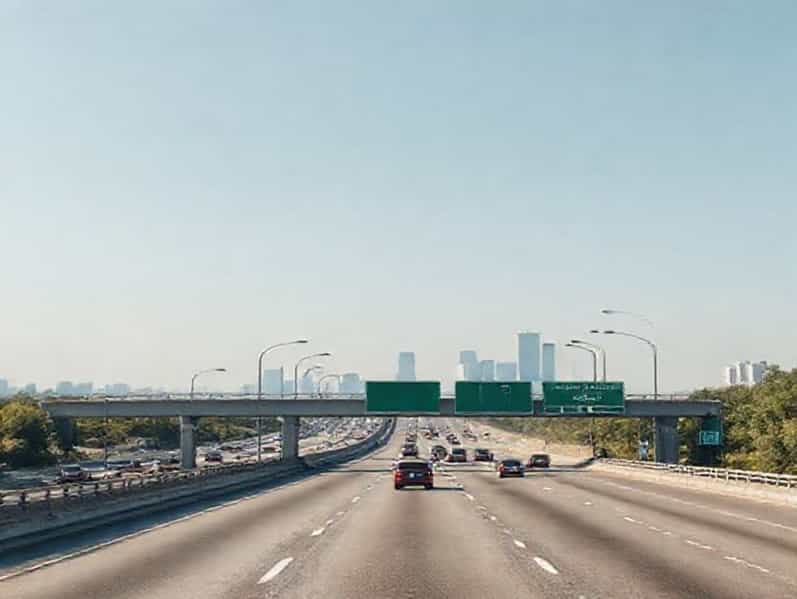
The busiest highway in the world is more than just a stretch of pavement it is a living artery that connects millions of people every day. With thousands of vehicles traveling along it at all hours, this type of road symbolizes modern urban life and the challenges of large-scale transportation systems. Highways like this are vital for commerce, commuting, and logistics, yet they also face constant congestion, environmental strain, and complex maintenance demands. Understanding which highways are the busiest and why they reach such volumes provides a fascinating glimpse into global infrastructure and mobility trends.
The World’s Busiest Highway
Among the contenders for the busiest highway in the world, one name stands out Highway 401 in Ontario, Canada. Commonly known as the Macdonald Cartier Freeway, this major route runs through Toronto and stretches across much of southern Ontario. It serves as a central transportation corridor connecting cities like Windsor, London, and Toronto with Quebec to the east. On some sections, particularly around Toronto, Highway 401 handles more than 400,000 vehicles per day, earning its reputation as the busiest highway on Earth.
Why Highway 401 Is So Busy
The reasons behind Highway 401’s heavy traffic are multifaceted. Toronto is Canada’s largest city and a critical economic hub. The highway links industrial areas, suburbs, airports, and international border crossings, all of which contribute to the massive flow of vehicles. Trucks carrying goods between the United States and Canada use this route daily, while local commuters depend on it to travel to work, school, and entertainment destinations.
In addition, the design of Highway 401 itself contributes to its high volume. With more than 18 lanes in certain stretches, including express and collector systems, the freeway is one of the widest in the world. This width allows a vast number of vehicles to travel simultaneously but it also means that congestion can be severe when accidents, weather conditions, or rush-hour surges occur.
Features That Define the Busiest Highways
Busiest highways are not defined solely by traffic numbers. They share common characteristics that make them both essential and challenging to manage. These include geographic position, population density, economic importance, and connectivity to other major routes.
- Strategic LocationHighways passing through large metropolitan areas naturally attract heavy use, as they connect suburbs and business districts.
- Economic RoleWhen a road serves as a trade route between major markets or ports, it becomes vital for freight movement.
- Infrastructure DesignMulti-lane systems, interchanges, and toll sections often indicate a highway’s importance in handling massive traffic loads.
- Commuter DependenceDaily travel to and from cities ensures constant use during peak hours, sometimes exceeding the road’s designed capacity.
Highway 401 exhibits all these traits, making it an exemplary model of what defines a busy highway. But it is not alone other highways around the world also compete for the title, especially in nations with dense populations and high car ownership.
Other Contenders for the Title
While Highway 401 holds the top spot by vehicle count, several other roads are recognized globally for their congestion and traffic intensity. Understanding their unique situations helps put the world’s busiest highways into perspective.
Interstate 405, Los Angeles, USA
Interstate 405, or simply the 405, is infamous for its traffic jams. Running through Los Angeles, one of the most car-dependent cities in the world, it serves as a key north-south route for commuters, tourists, and freight. At peak times, speeds can drop to walking pace. Despite its modern infrastructure and multiple lanes, demand far exceeds capacity. The 405 is a perfect example of how population growth and urban sprawl lead to constant traffic pressure.
Interstate 5, California, USA
Another major American highway often cited among the busiest is Interstate 5, which stretches from the Mexican border to Canada. It connects major cities such as San Diego, Los Angeles, Sacramento, and Seattle. This long-distance corridor sees enormous freight activity, with countless trucks carrying goods up and down the West Coast. Sections of I-5 near Los Angeles and Orange County are especially known for their relentless congestion.
Tokyo’s Shuto Expressway, Japan
Tokyo’s Shuto Expressway system is a network of elevated and underground roads that weave through one of the most populated metropolitan areas in the world. While not a single highway, it collectively carries millions of vehicles each day. Its complex design, featuring loops, tunnels, and tight curves, reflects Japan’s engineering ingenuity and limited urban space. Despite excellent public transportation options, Tokyo’s expressways remain heavily used by delivery vehicles and private cars.
G4 Beijing Hong Kong Macau Expressway, China
China’s expressway system has expanded rapidly, and the G4 is one of its most critical arteries. Stretching from Beijing to the south, it links several major cities and industrial zones. The economic boom and rising car ownership have turned the G4 into one of the busiest highways in Asia, especially near Beijing and Guangzhou. It showcases the challenges of managing large-scale traffic in fast-developing regions.
Impacts of Heavy Traffic
Being the busiest highway in the world brings both benefits and drawbacks. On the positive side, such roads stimulate commerce and connect communities. They are essential to national logistics and economic stability. However, the downsides are equally significant congestion, air pollution, noise, and safety concerns are constant challenges.
Congestion and Time Loss
Commuters using these highways often face long delays. In Toronto, Los Angeles, or Tokyo, peak-hour travel times can double or triple compared to off-peak periods. This congestion translates into lost productivity and stress for millions of drivers each year.
Environmental Effects
High traffic density means higher emissions. Cars idling in traffic release carbon dioxide and other pollutants that contribute to air quality deterioration. Governments are increasingly looking for solutions, such as encouraging electric vehicles or expanding public transit, to reduce environmental harm caused by heavily used highways.
Safety Concerns
More vehicles also mean more potential accidents. Even minor collisions can cause significant slowdowns, creating a ripple effect across several kilometers. Authorities invest heavily in traffic management technologies such as cameras, sensors, and digital signage to improve safety and flow.
Solutions to Manage the Busiest Highways
To address the challenges of maintaining the busiest highways, many cities are adopting innovative traffic management strategies. These include smart highway systems, carpool incentives, and expanded public transportation.
- Intelligent Transportation Systems (ITS)These technologies monitor real-time traffic, adjust signals, and inform drivers of delays ahead.
- HOV and Toll LanesHigh-occupancy vehicle lanes encourage carpooling, while tolls help control demand and fund infrastructure improvements.
- Improved Public TransitCities that invest in reliable buses, subways, and light rail can significantly reduce highway congestion.
- Infrastructure ExpansionAlthough widening highways provides temporary relief, it must be combined with long-term planning to remain effective.
Future of the World’s Busiest Highways
As global populations continue to grow and urban areas expand, the pressure on major highways will only increase. Advances in autonomous vehicles and traffic management systems may eventually ease some of this strain. However, long-term solutions require a balance between road capacity, public transport development, and sustainable urban design.
Highway 401 will likely remain the busiest highway in the world for years to come, given its strategic importance and location within Canada’s most populated region. Yet, as megacities in Asia and other regions continue to develop, new contenders may emerge. Regardless of geography, the story of the world’s busiest highways reflects humanity’s ongoing pursuit of connection and mobility in an ever-changing world.
The busiest highway in the world Highway 401 in Ontario stands as a symbol of modern transportation challenges and achievements. With hundreds of thousands of vehicles using it daily, it demonstrates both the efficiency and the complexity of large-scale infrastructure. Around the globe, other highways share similar pressures, illustrating the universal need for better traffic management and sustainable planning. Whether in North America, Asia, or Europe, the busiest highways remind us that progress comes with responsibility to move people and goods safely, efficiently, and with care for the environment.