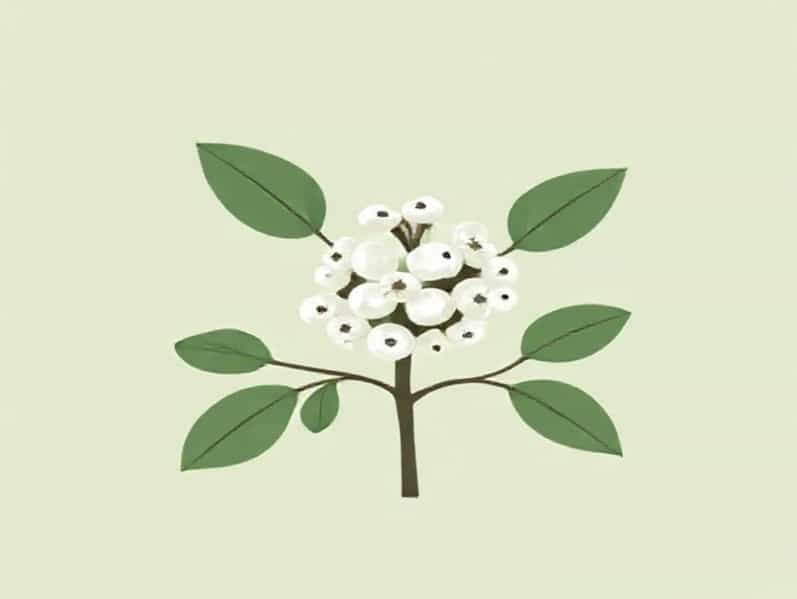
Viburnum opulus, commonly known as the European cranberrybush or guelder rose, is a versatile and attractive shrub valued for its vibrant flowers, lush foliage, and bright red berries. Native to Europe, Asia, and parts of North America, this plant is often used in landscaping for hedges, garden borders, or as a standalone ornamental. Caring for a Viburnum opulus requires understanding its growth habits, soil preferences, watering needs, and pruning requirements. With proper care, it can thrive for many years, providing seasonal interest and a habitat for wildlife. In this guide, we will explore the essential steps and considerations for growing and maintaining a healthy Viburnum opulus in your garden or landscape.
Understanding Viburnum Opulus
Viburnum opulus is a deciduous shrub that can reach heights of 10 to 15 feet and spread up to 12 feet wide. It produces clusters of small, fragrant white flowers in late spring, followed by clusters of bright red berries in the fall. The leaves are typically lobed and turn a rich reddish-purple in autumn, adding seasonal interest to any garden. This shrub is known for its adaptability, tolerating a range of soil types and growing conditions, making it a popular choice among gardeners.
Growth Habits and Varieties
There are several varieties of Viburnum opulus, each with unique characteristics
- Viburnum opulus ‘Roseum’Also called the snowball viburnum, it is prized for its large, globe-shaped flower clusters.
- Viburnum opulus ‘Compactum’A smaller, more compact version suitable for smaller gardens or container planting.
- Wild Viburnum opulusOften found in natural settings, it has a more open growth habit and produces berries attractive to wildlife.
Understanding the specific variety you are growing will help tailor your care practices, from pruning techniques to placement in the garden.
Soil and Planting Requirements
Viburnum opulus thrives in well-drained, moderately fertile soil. While it can tolerate clay or sandy soils, ensuring proper drainage is critical to prevent root rot. The shrub prefers slightly acidic to neutral soil pH, typically in the range of 5.5 to 7.0.
Planting Tips
- Choose a location with full sun to partial shade. While Viburnum opulus can grow in partial shade, flowering and berry production are more abundant in sunnier spots.
- Dig a hole twice as wide and as deep as the root ball to allow the roots to spread easily.
- Mix garden soil with compost or well-rotted organic matter to improve fertility and drainage.
- Water thoroughly after planting to help settle the soil around the roots.
- Mulch around the base of the shrub to retain moisture and regulate soil temperature.
Watering and Fertilization
Consistent watering is important for establishing a new Viburnum opulus and maintaining its health. Once established, the shrub is moderately drought-tolerant but performs best with regular moisture.
Watering Guidelines
- Water deeply once or twice a week during dry spells, ensuring the soil is moist but not waterlogged.
- Reduce watering in the fall as the plant prepares for dormancy, but avoid letting the soil dry out completely.
- Use mulch to help retain soil moisture and reduce the frequency of watering.
Fertilization
Fertilizing Viburnum opulus encourages healthy growth, vibrant flowers, and abundant berry production. A balanced, slow-release fertilizer applied in early spring supports leaf development and flowering. If your soil is low in nutrients, consider supplementing with a layer of compost or well-rotted manure. Avoid excessive nitrogen, which can promote leaf growth at the expense of flowers and berries.
Pruning and Maintenance
Pruning is essential to maintain the shape, health, and productivity of Viburnum opulus. Proper pruning encourages airflow, reduces the risk of disease, and stimulates new growth.
Pruning Tips
- Prune immediately after flowering to avoid removing buds that will produce next year’s flowers.
- Remove dead, damaged, or diseased branches to prevent the spread of disease.
- Thin out older stems to encourage new shoots and improve air circulation.
- Shape the shrub to maintain a natural appearance, but avoid cutting back more than one-third of the plant at a time.
Pest and Disease Management
Viburnum opulus is generally resilient, but it can be affected by pests and diseases if not properly cared for. Common issues include aphids, scale insects, and viburnum leaf beetles. Diseases such as powdery mildew, leaf spot, and root rot can also occur, especially in poorly drained soils or overcrowded plantings.
Prevention and Control
- Inspect plants regularly for signs of pests or disease.
- Use insecticidal soap or horticultural oils to control minor pest infestations.
- Ensure adequate spacing between plants to promote airflow and reduce fungal infections.
- Remove and dispose of infected leaves or branches to prevent disease spread.
Winter Care and Hardiness
Viburnum opulus is hardy in USDA zones 3 to 8, making it suitable for a wide range of climates. During winter, protect young or newly planted shrubs by applying a thick layer of mulch around the base to insulate the roots. In areas with heavy snowfall, consider gently shaking off snow accumulation to prevent branch breakage. Established plants generally withstand cold temperatures well, but additional winter protection can help ensure healthy growth in spring.
Encouraging Flowering and Berry Production
To maximize the ornamental value of Viburnum opulus, it is important to support both flowering and berry production. Full sun exposure, proper pruning, and adequate watering contribute to abundant blooms. The berries, which develop after flowering, provide visual interest and attract birds and other wildlife to the garden.
Tips for Better Blooms
- Plant in a sunny location with at least six hours of direct sunlight daily.
- Prune old or weak stems after flowering to promote strong new growth.
- Ensure consistent moisture during the growing season without waterlogging the roots.
- Apply a phosphorus-rich fertilizer in early spring to encourage flower bud formation.
Landscape Uses and Benefits
Viburnum opulus is a versatile shrub that adds beauty and ecological value to any garden. Its colorful foliage, fragrant blooms, and bright red berries make it an attractive choice for hedges, borders, and mixed shrub plantings. Additionally, the berries provide food for birds, while the dense foliage offers shelter for wildlife. The plant’s adaptability to different soil types and growing conditions makes it an excellent choice for low-maintenance landscaping.
Caring for a Viburnum opulus involves understanding its specific needs for soil, sunlight, water, and maintenance. With proper planting, regular watering, balanced fertilization, and thoughtful pruning, this shrub can thrive and provide years of beauty and ecological benefit. Being vigilant against pests and diseases, providing winter protection when necessary, and encouraging flowering and berry production will ensure a healthy and vibrant plant. By following these guidelines, gardeners can enjoy the ornamental appeal, seasonal color, and wildlife support that Viburnum opulus brings to any landscape.