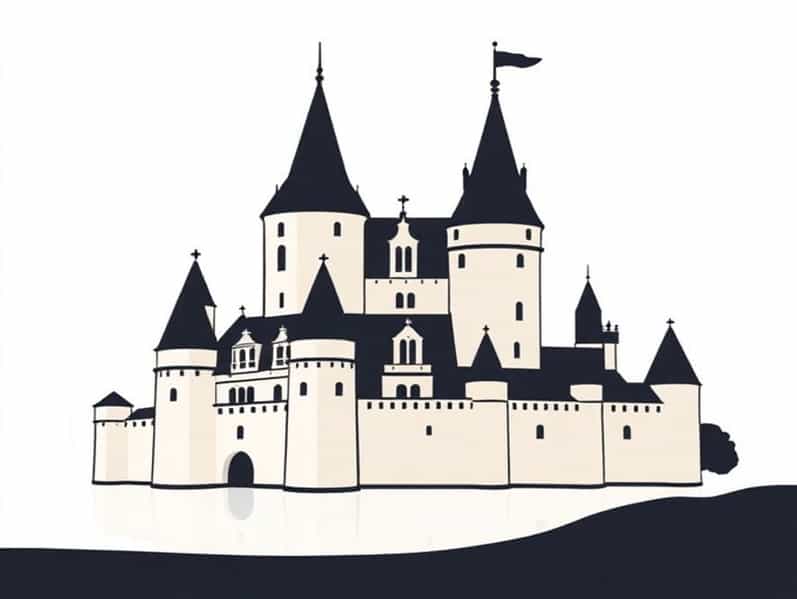
When people talk about the Loire Valley, they often imagine grand castles surrounded by vineyards, rivers, and charming French villages. The phrase carte châteaux de la Loire literally means map of the castles of the Loire, and it refers to one of the most captivating regions in France a place where history, art, and architecture come together in a breathtaking display. This area, located along the Loire River in central France, is home to some of the most famous castles in the world. Exploring the carte châteaux de la Loire is like taking a journey through centuries of French royal history and Renaissance elegance.
The Loire Valley The Garden of France
The Loire Valley, often called Le Jardin de la France (the Garden of France), stretches across several departments including Indre-et-Loire, Loir-et-Cher, Maine-et-Loire, and Loiret. This fertile region, nourished by the Loire River, has long been a center of agriculture, culture, and art. Because of its beauty and historical significance, the entire central part of the Loire Valley has been designated a UNESCO World Heritage Site.
The term carte châteaux de la Loire serves as a guide for travelers and history lovers who want to explore the numerous castles scattered across the valley. Each château tells a different story some were royal residences, others noble estates, and some served as fortresses during the Middle Ages. Together, they paint a rich picture of France’s evolution through art, politics, and architecture.
The Historical Significance of the Loire Castles
The castles of the Loire Valley were built between the 10th and 18th centuries, reflecting various architectural styles from Gothic to Renaissance to Classical. During the Renaissance period, the French kings and nobles were inspired by Italian art and culture, leading to the construction of magnificent palaces that combined elegance with innovation. The Loire Valley became a preferred residence for royalty, including François I and Catherine de’ Medici, who commissioned several of the most beautiful châteaux still standing today.
Many of these castles also served strategic military purposes during earlier centuries, controlling key trade routes along the Loire River. Over time, however, they evolved into symbols of prestige and power, surrounded by beautifully landscaped gardens and filled with art and luxury.
Major Châteaux Featured on the Loire Map
When you look at a carte châteaux de la Loire, you’ll find that it highlights dozens of magnificent castles, each with its own personality and story. Some are large and famous, attracting millions of visitors each year, while others are smaller hidden gems. Below are some of the most iconic castles you’ll find on the Loire map
- Château de ChambordPerhaps the most recognizable of all Loire Valley castles, Chambord was built in the 16th century for King François I. Its unique double-helix staircase and grand Renaissance design make it a masterpiece of architecture. The château has over 400 rooms and sits within a massive forest and hunting park.
- Château de ChenonceauKnown as the Ladies’ Castle, Chenonceau is famous for its arches spanning the River Cher and for the women who shaped its history, including Diane de Poitiers and Catherine de’ Medici. The gardens and reflection of the castle over the water make it one of the most romantic spots in France.
- Château d’AmboiseOnce a royal residence, this château offers stunning views over the Loire River. It is also known as the resting place of Leonardo da Vinci, who spent his final years nearby at Clos Lucé, a small manor connected to Amboise by underground passages.
- Château de VillandryFamous for its spectacular Renaissance gardens, Villandry represents harmony between architecture and nature. Its geometric designs, ornamental flowers, and vegetable gardens are among the most admired in Europe.
- Château de BloisA favorite of several French kings, Blois combines different architectural styles within one structure, including Gothic, Renaissance, and Classical. It also served as the site of significant historical events, including the assassination of the Duke of Guise.
Mapping the Loire Planning a Castle Tour
Exploring the Loire Valley can feel overwhelming because of the sheer number of châteaux to visit. That’s where a carte châteaux de la Loire becomes essential. Whether in physical form or an interactive digital map, it allows travelers to plan their routes and focus on the castles that interest them most. Some maps highlight historical connections between castles, while others focus on geography or travel convenience.
Many visitors choose to follow the Loire by bike, car, or even by boat. The region’s well-marked routes make it easy to travel between towns and attractions. Towns like Tours, Blois, and Amboise serve as perfect bases for exploring nearby castles. A typical itinerary might include a mix of grand royal estates and lesser-known treasures surrounded by vineyards and forests.
Tips for Exploring the Loire Valley
- Start your journey in Tours, a central city with easy access to many major castles.
- Use a detailed map to group nearby châteaux, allowing efficient travel between them.
- Visit early in the morning or late in the afternoon to avoid crowds at popular sites.
- Don’t rush enjoy the scenery, local markets, and wine-tasting opportunities along the way.
- Consider exploring on a bicycle along the Loire à Vélo route, a network of cycling paths that follow the river.
The Architectural Styles of Loire Castles
One of the most fascinating aspects of the Loire Valley is the variety of architectural styles represented in its castles. Each era left its own mark on the region’s landscape. The early medieval fortresses, built for defense, gave way to Renaissance palaces emphasizing beauty and comfort. Later, classical symmetry and elegance reflected France’s transition into a more refined age of art and monarchy.
For example, Château de Chambord represents pure Renaissance ambition with its Italian influences, while Château de Chinon still carries the medieval strength of its origins. The blend of styles creates a living museum of French architectural evolution, all concentrated within one region.
Gardens and Landscapes
The gardens surrounding many Loire châteaux are as famous as the buildings themselves. Inspired by Italian Renaissance principles and later French formal designs, these gardens were meant to impress and reflect order and harmony. Château de Villandry is the best example, featuring patterned flower beds, symbolic vegetable plots, and water features. Other castles, like Chaumont-sur-Loire, host annual garden festivals that attract modern artists and landscape designers from around the world.
Cultural and Artistic Legacy
The Loire Valley isn’t just about castles; it’s about culture. The region inspired poets, painters, and philosophers for centuries. During the Renaissance, it became a center for artistic exchange between France and Italy. Leonardo da Vinci, for instance, spent his final years here, influencing local art and architecture. His presence added intellectual prestige to an already culturally rich area.
Today, the Loire continues to celebrate this heritage through festivals, exhibitions, and historical reenactments. Visitors can experience concerts in castle courtyards, art shows inspired by the Renaissance, and local wine festivals that combine modern joy with centuries-old tradition.
The Loire’s Modern Appeal
While the castles themselves date back hundreds of years, the Loire Valley continues to attract modern travelers with its combination of history, nature, and lifestyle. It’s not just about sightseeing it’s about experiencing the atmosphere of French elegance and tranquility. The region’s cuisine, featuring local wines, cheeses, and pastries, complements the historical exploration perfectly.
For those using a carte châteaux de la Loire, the adventure becomes a blend of exploration and discovery uncovering not only architectural treasures but also the spirit of French heritage. Each château represents a chapter in the grand story of France, and together they form one of Europe’s most enchanting cultural landscapes.
The phrase carte châteaux de la Loire captures more than a map; it represents a gateway to French history, romance, and artistry. The Loire Valley’s castles stand as timeless witnesses to centuries of creativity and power, from medieval strongholds to Renaissance masterpieces. Exploring them offers a journey not only through architecture but through the very heart of French culture. Whether walking through the gardens of Villandry, admiring the grandeur of Chambord, or gazing at the river from Amboise, visitors experience a harmony between human creation and natural beauty that few places in the world can match. The Loire Valley remains a living treasure, and its map the carte châteaux de la Loire invites every traveler to discover the magic of France’s royal past.