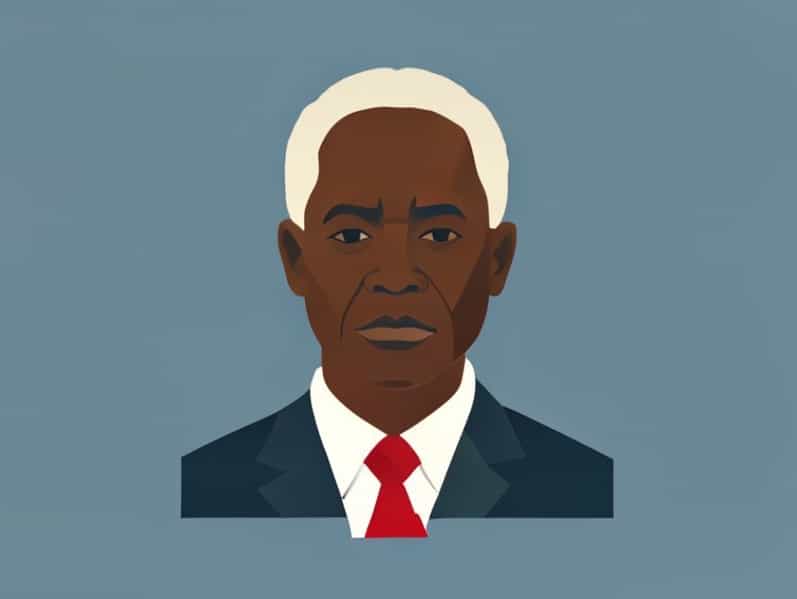
The Deputy President of South Africa holds a crucial position within the country’s political framework, serving as the second-highest official in the executive branch of government. This role is not only symbolic but also functional, providing support to the President while assuming responsibilities that contribute to the governance and administration of the nation. The Deputy President works closely with the President, Cabinet members, and Parliament to ensure that government policies and programs are implemented effectively. The office reflects the country’s commitment to structured political leadership and is instrumental in maintaining continuity in government operations, especially during times of transition or crisis.
Constitutional Role of the Deputy President
The Deputy President’s responsibilities are outlined in the Constitution of South Africa, which emphasizes the need for effective governance and accountability. As per constitutional provisions, the Deputy President may act on behalf of the President when the latter is unavailable, incapacitated, or out of the country. This ensures the seamless execution of executive powers and provides stability in national leadership. The Constitution also allows the Deputy President to perform duties assigned by the President, making the role adaptable to the evolving needs of the government and the country.
Election and Appointment
The Deputy President is appointed by the President of South Africa, typically from among the members of the National Assembly. This appointment process ensures that the individual holding the position has both political legitimacy and parliamentary experience. Once appointed, the Deputy President serves at the pleasure of the President, although the officeholder can be dismissed under certain circumstances, such as loss of parliamentary support or changes in the executive’s priorities. The selection often reflects political strategy, balancing party interests, regional representation, and administrative competence.
Key Responsibilities
The Deputy President’s role encompasses a wide range of duties, both ceremonial and operational. One of the primary responsibilities is to assist the President in executing government policies and programs. This includes overseeing specific government departments, coordinating inter-ministerial initiatives, and representing the government at national and international forums. The Deputy President often serves as a bridge between the President and Parliament, helping to facilitate communication and ensure that legislative priorities align with executive actions.
Policy Coordination and Administration
The Deputy President plays a vital role in coordinating government policies across various ministries. By monitoring the implementation of key initiatives, the Deputy President ensures that government objectives are met efficiently and effectively. This coordination may involve resolving interdepartmental conflicts, reviewing program outcomes, and advising the President on necessary adjustments. In addition, the Deputy President may lead task teams or special committees to address urgent national issues, such as economic development, public health, or social welfare.
Representation and Diplomacy
Another significant aspect of the Deputy President’s role is representing South Africa in diplomatic and public engagements. The Deputy President may attend international summits, bilateral meetings, or regional conferences on behalf of the President. Such representation strengthens South Africa’s global standing and allows the country to participate actively in shaping regional and international policies. Domestically, the Deputy President often engages with civil society, community leaders, and business stakeholders to promote government initiatives and foster public trust in political leadership.
Succession and Continuity
One of the most important functions of the Deputy President is ensuring continuity in governance. In the event of the President’s death, resignation, or incapacitation, the Deputy President is constitutionally positioned to assume presidential duties until a new President is appointed or elected. This provision guarantees political stability and reassures citizens and international partners that the government can continue functioning effectively even during unforeseen crises. The Deputy President’s readiness to step into the highest office underscores the significance of the role in maintaining national continuity.
Deputy President and Political Leadership
The office of the Deputy President is also a key political platform within South Africa’s ruling party and the broader political landscape. Holding this position often involves participating in party strategy, election planning, and internal decision-making processes. The Deputy President’s influence extends to shaping policies that reflect party objectives and national priorities. In addition, the role can serve as a stepping stone to the presidency, offering political exposure, executive experience, and public visibility that are critical for future leadership ambitions.
Challenges and Expectations
While the Deputy President has significant authority, the position also comes with challenges. Balancing loyalty to the President with independent judgment, managing complex interdepartmental relations, and responding to public scrutiny require political skill and administrative acumen. The Deputy President is expected to demonstrate leadership, ethical integrity, and a commitment to national development. Public expectations often include effective problem-solving, transparent governance, and the ability to navigate complex social and economic issues affecting the country.
Historical Context
The role of Deputy President in South Africa has evolved over time, reflecting the nation’s political history and democratic development. In the post-apartheid era, the position has played a crucial role in nation-building, promoting social cohesion, and supporting democratic governance. Various Deputy Presidents have left their mark through initiatives aimed at economic reform, social justice, and institutional strengthening. The office continues to be a vital component of South Africa’s political structure, embodying both continuity and progress within the executive branch.
Impact on Governance
By assisting the President and managing critical government functions, the Deputy President significantly influences governance outcomes. Effective Deputy Presidents help ensure that government programs are implemented efficiently, public services are delivered, and national priorities are addressed. The office contributes to policy coherence, administrative oversight, and political stability. In times of national crises, the Deputy President’s leadership can be decisive in maintaining public confidence and guiding the country through challenges.
The Deputy President of South Africa holds a position that is essential to both the political and administrative functioning of the country. From assisting the President in policy coordination to representing the nation in diplomatic engagements, the Deputy President plays a multifaceted role that combines leadership, governance, and public service. The constitutional provisions governing the office ensure continuity and stability, while the political influence of the Deputy President contributes to shaping the nation’s future. Understanding this role highlights the importance of effective executive leadership and the mechanisms that sustain democratic governance in South Africa.
In summary, the Deputy President’s position is both operationally significant and politically strategic. It serves as a support system for the President, a liaison with Parliament, a representative of the nation, and a potential successor to the highest office. By examining the responsibilities, challenges, and historical context of the Deputy President, one can appreciate the critical role this office plays in maintaining a stable, functional, and forward-looking government in South Africa.