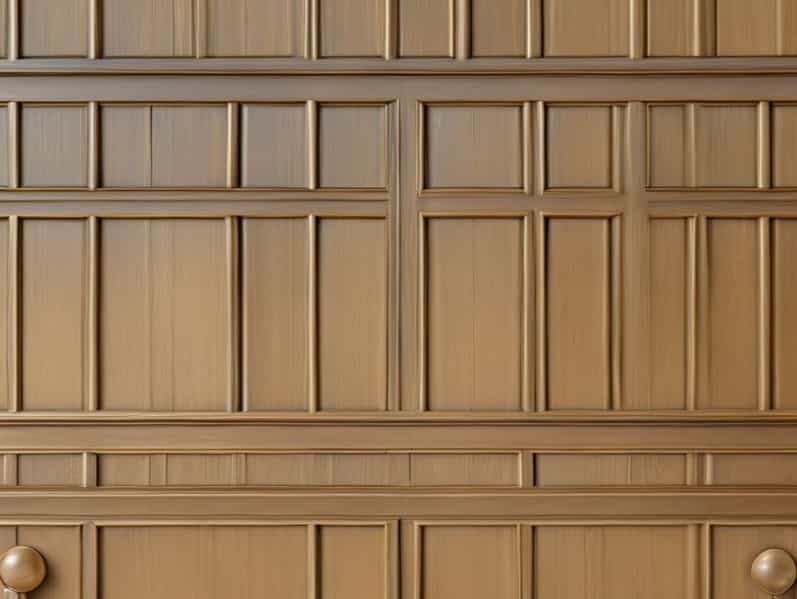
When it comes to enhancing the aesthetic appeal of interior walls, beadboard and wainscoting are two popular options that homeowners often consider. Both provide texture, depth, and visual interest to a room, but they serve slightly different purposes and offer distinct styles. Choosing between beadboard and wainscoting depends on factors such as the room’s design, the desired level of sophistication, and the type of maintenance the homeowner is willing to undertake. Understanding the differences between these two wall treatments can help make a more informed decision for both functional and decorative purposes, ensuring the right fit for a space.
What is Beadboard?
Beadboard is a type of paneling that consists of narrow, vertical planks with a distinctive bead or groove running along the edge of each plank. This design creates a repetitive, textured look that is often associated with traditional or cottage-style interiors. Beadboard can be made from wood, MDF, or PVC, which makes it versatile for different applications. It is commonly installed on walls, ceilings, or even as cabinet backing, and is known for its ability to create a cozy, detailed appearance.
Characteristics of Beadboard
- Vertical grooves or beads create a uniform, patterned look.
- Available in various materials such as wood, MDF, or PVC.
- Can be painted or stained to match existing decor.
- Relatively easy to install, often used in DIY projects.
- Provides a casual, cottage-like or farmhouse aesthetic.
Beadboard is ideal for creating a sense of height in a room due to its vertical lines. It is often used in kitchens, bathrooms, or mudrooms, where it adds charm while offering some wall protection from scuffs and moisture.
What is Wainscoting?
Wainscoting refers to a decorative paneling applied to the lower portion of a wall, traditionally about one-third of the wall’s height. Unlike beadboard, which focuses on vertical grooves, wainscoting typically includes a more formal panel design with frames, moldings, and recessed or raised panels. Wainscoting was originally used to protect walls from damage, particularly in high-traffic areas, but it has evolved into a decorative element that enhances the elegance and sophistication of a room. It is commonly seen in dining rooms, hallways, and entryways.
Characteristics of Wainscoting
- Consists of framed panels, often with raised or recessed details.
- Usually covers the lower one-third of a wall.
- Constructed from wood, MDF, or other composite materials.
- Painted or stained to complement the room’s decor.
- Conveys a formal, classic, or traditional style.
Wainscoting provides a sense of luxury and sophistication, often paired with chair rails or crown moldings to enhance the architectural detail of a space. It is both decorative and functional, protecting walls while elevating the overall design.
Key Differences Between Beadboard and Wainscoting
While both beadboard and wainscoting enhance wall aesthetics, they differ in several key areas, including style, placement, and installation.
Style and Appearance
Beadboard offers a casual, textured look with repetitive vertical grooves, perfect for creating a cozy or cottage-inspired space. Wainscoting, on the other hand, provides a more formal and structured appearance with framed panels and moldings, ideal for traditional or elegant interiors.
Placement on Walls
Beadboard can be installed on entire walls or ceilings, giving flexibility in design. Wainscoting is generally limited to the lower portion of a wall, typically extending up to one-third or one-half of the wall’s height, often complemented by a chair rail or molding at the top edge.
Functionality
Both beadboard and wainscoting protect walls from minor damage, but wainscoting often offers more substantial protection due to its thicker panels and moldings. Beadboard provides moderate protection while primarily focusing on aesthetic enhancement.
Installation Process
Beadboard installation is generally simpler, often involving nailing or gluing panels to walls or ceilings. Wainscoting requires more precise measurements, cutting of panels, and installation of moldings to achieve a seamless, professional finish. Consequently, beadboard is often favored for DIY projects, while wainscoting may require professional installation for best results.
Materials and Finishes
Both beadboard and wainscoting are available in various materials, each offering different advantages. Wood provides a natural and warm appearance but may require maintenance and protection against moisture. MDF and PVC are more affordable and resistant to warping, making them suitable for bathrooms or kitchens. Both can be painted or stained to match the room’s decor, but the level of detail in wainscoting panels often benefits from high-quality paint finishes to highlight intricate moldings.
Choosing the Right Material
- Wood Offers natural beauty, warmth, and durability.
- MDF Affordable, smooth surface, easy to paint, less resistant to moisture.
- PVC Water-resistant, ideal for bathrooms or kitchens, low maintenance.
The choice of material depends on the room’s function, budget, and desired style. Beadboard and wainscoting each adapt to these materials but require different installation techniques and finishes.
Design Considerations
When deciding between beadboard and wainscoting, consider the overall design goals of the space. Beadboard is well-suited for casual, coastal, or cottage-style interiors, adding texture and charm. Wainscoting works best in formal dining rooms, hallways, or living areas where sophistication and classic details are desired. Additionally, pairing beadboard with light, airy colors can enhance a relaxed feel, while wainscoting benefits from contrasting paint or stain to emphasize its architectural features.
Maintenance and Longevity
Maintenance differs slightly between the two. Beadboard requires regular dusting and occasional repainting, particularly in high-moisture areas. Wainscoting, with its thicker panels and moldings, may need occasional touch-ups to prevent chipping or cracking in busy spaces. Both types of paneling are durable and long-lasting if properly maintained, adding value and charm to the home.
Understanding the difference between beadboard and wainscoting is essential when planning interior design projects. Beadboard provides a casual, textured look that is versatile for walls and ceilings, while wainscoting offers a formal, structured design that enhances elegance and architectural detail. Both provide wall protection and can be adapted to various materials and finishes. Ultimately, the choice between beadboard and wainscoting depends on the desired style, placement, and level of detail in the space. By considering these factors, homeowners can create rooms that are both visually appealing and functional, ensuring long-lasting beauty and satisfaction.