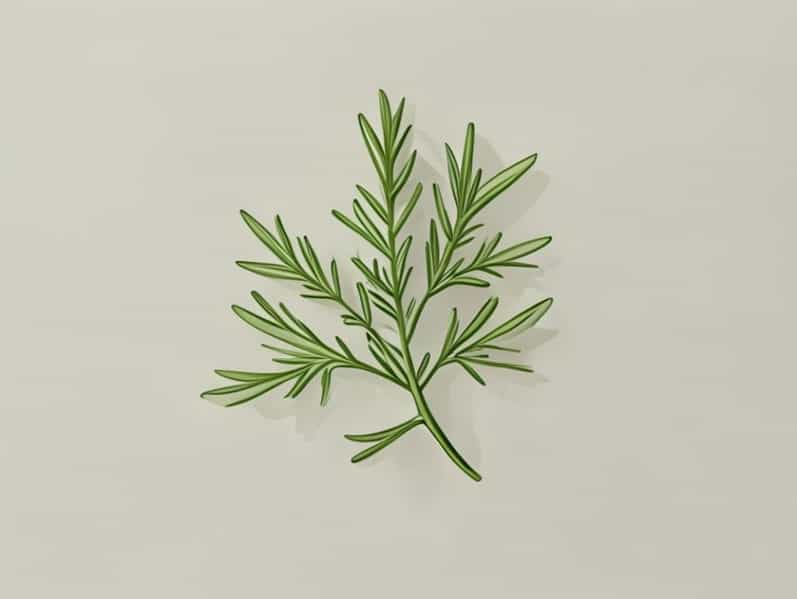
Tarragon is a popular herb in culinary traditions worldwide, known for its aromatic and distinctive flavor that enhances many dishes. One of the most common questions about tarragon is whether it tastes of aniseed. Many people describe tarragon as having a sweet, slightly bitter, and herbal flavor, with undertones that resemble the taste of anise or licorice. This unique flavor profile makes tarragon a versatile ingredient in cooking, particularly in French cuisine, where it is used in sauces, dressings, and with poultry or fish. Understanding tarragon’s taste, its similarity to aniseed, and how it interacts with different dishes is essential for both home cooks and professional chefs.
The Flavor Profile of Tarragon
Tarragon, particularly the French variety known as Artemisia dracunculus var. sativa, has a complex flavor profile. Its taste is often described as slightly sweet, peppery, and herbal, with a distinct aniseed or licorice-like aroma. This is due to the presence of estragole, a natural compound found in the leaves. The aniseed flavor is subtle and not overpowering, creating a balance that complements many dishes without dominating the overall taste.
Fresh vs. Dried Tarragon
The flavor of tarragon can vary depending on whether it is used fresh or dried. Fresh tarragon leaves have a more vibrant and pronounced flavor, with the aniseed notes being more detectable. Dried tarragon, on the other hand, often has a milder taste, and the sweet, aniseed undertones can become less prominent. This difference is important when cooking, as using dried tarragon may require slightly more to achieve the desired flavor.
Comparison to Aniseed
Aniseed is a spice derived from the seeds of the Pimpinella anisum plant and is known for its strong licorice-like taste. While tarragon does have a similar flavor due to the estragole content, the comparison has its limits. Tarragon is more subtle and has additional herbal and slightly bitter notes that differentiate it from pure aniseed. Therefore, while tarragon tastes of aniseed to some degree, it is not as intensely sweet or pungent as aniseed itself.
How the Aniseed Flavor Enhances Cooking
The aniseed-like flavor in tarragon adds a delicate complexity to dishes. It pairs well with mild proteins like chicken, fish, and eggs, as well as with vegetables and creamy sauces. In French cuisine, tarragon is a key ingredient in béarnaise sauce, where its subtle aniseed flavor complements the richness of butter and egg yolks. The slight licorice taste can also brighten salad dressings, soups, and stews, giving dishes a fresh and aromatic quality.
Common Culinary Uses of Tarragon
Tarragon is incredibly versatile in the kitchen. Its mild aniseed flavor allows it to blend seamlessly with other herbs and spices, enhancing the overall taste of dishes without overwhelming them. Common uses include
- Seasoning poultry, particularly chicken and turkey, for a subtle licorice-like aroma.
- Flavoring fish and seafood dishes to add depth without overpowering the natural flavors.
- Incorporating into salad dressings, vinaigrettes, and marinades for a fresh herbal note.
- Adding to sauces such as béarnaise, hollandaise, and mustard-based sauces.
- Infusing soups, stews, and vegetable dishes for a balanced sweetness with herbal undertones.
Pairing Tarragon with Other Flavors
Tarragon pairs well with a variety of ingredients, enhancing both savory and sweet dishes. It works beautifully with
- Lemon and vinegar, which bring out its bright herbal and aniseed notes.
- Butter and cream, complementing the richness while maintaining balance.
- Other herbs like parsley, chervil, and thyme, which blend without overshadowing tarragon’s unique taste.
- Garlic and shallots, adding complexity to sauces and sautés.
Regional Differences in Tarragon Flavor
Not all tarragon tastes the same. French tarragon is renowned for its pronounced aniseed flavor and is considered the standard in culinary applications. Russian tarragon, or Artemisia dracunculoides, has a less intense taste and is sometimes used for medicinal purposes rather than cooking. When using tarragon in recipes, it is important to identify the variety to ensure that the desired flavor profile is achieved, especially if the subtle aniseed taste is important to the dish.
Fresh Tarragon Storage Tips
To preserve the aniseed flavor, fresh tarragon should be stored properly. Wrapping the leaves in a damp paper towel and placing them in a sealed container in the refrigerator helps maintain their freshness. For longer-term storage, tarragon can be frozen or dried, although drying can slightly diminish the aniseed flavor. Using fresh leaves whenever possible ensures the most pronounced taste in culinary preparations.
Misconceptions About Tarragon and Aniseed
Some people assume that tarragon and aniseed are identical due to their similar flavor profiles, but they are distinct plants with different culinary roles. Tarragon is primarily a herb used in savory cooking, while aniseed is a spice derived from seeds and often used in baking, liqueurs, and sweet preparations. The licorice flavor in tarragon is subtler and more complex, providing a delicate background note rather than the bold sweetness of aniseed.
Using Tarragon as a Substitute for Aniseed
While tarragon can mimic the aniseed flavor in some dishes, it is not a perfect substitute due to its herbal and slightly bitter undertones. In recipes where the licorice flavor is crucial, combining tarragon with other ingredients like fennel or star anise can help approximate the taste of aniseed. For savory dishes, however, tarragon often enhances the recipe more than direct aniseed would.
tarragon does taste of aniseed, but in a subtle and complex way that differs from the stronger licorice flavor of pure aniseed. Its unique flavor profile, characterized by sweetness, slight bitterness, and herbal undertones, makes it a versatile and essential herb in many cuisines, particularly French cooking. Understanding the nuances of tarragon’s taste, using it appropriately in recipes, and recognizing the differences between fresh and dried leaves can enhance culinary creations and ensure that dishes achieve the desired balance of flavors. Whether used in sauces, dressings, poultry, or vegetables, tarragon’s delicate aniseed notes add a sophisticated touch that elevates both everyday meals and gourmet dishes.
By learning to appreciate the subtle aniseed flavor of tarragon and experimenting with its use in cooking, both home cooks and professional chefs can unlock its potential as a versatile and aromatic ingredient. Its unique taste, aroma, and culinary flexibility make tarragon a treasured herb that goes beyond simply tasting like aniseed, offering layers of flavor that enrich dishes and delight the palate.