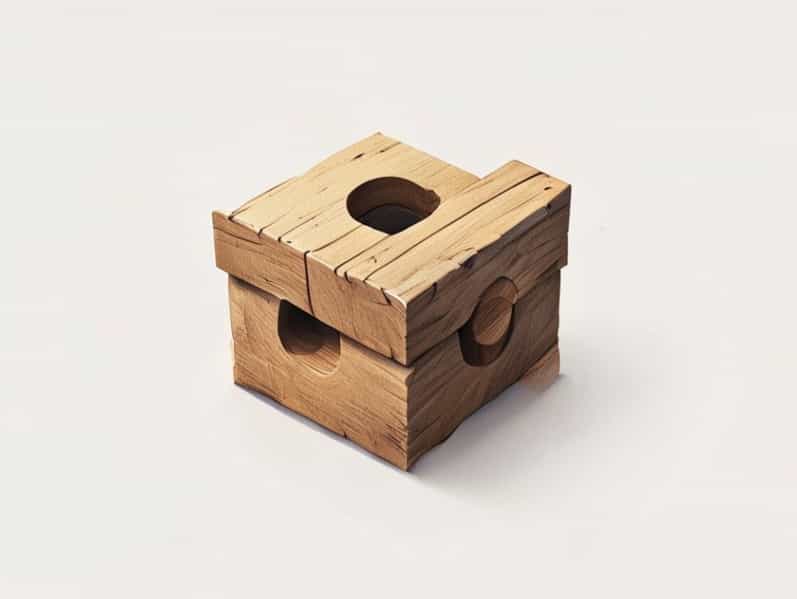
The mortise and tenon joint is one of the oldest and strongest woodworking techniques ever developed. It has been used for thousands of years in furniture making, architectural structures, and carpentry due to its remarkable durability and ability to join two pieces of wood at a right angle. This method of joinery remains widely used today because it provides both strength and stability without relying heavily on nails or screws. Understanding how a mortise and tenon joint works, its variations, and its applications can help anyone appreciate the craftsmanship behind woodworking.
Understanding the Mortise and Tenon Joint
At its core, a mortise and tenon joint is a simple concept that involves two parts the mortise and the tenon. The mortise is a rectangular or square hole cut into one piece of wood, while the tenon is a matching projection on the end of another piece that fits snugly into the mortise. When these two parts are combined, they create a tight and secure joint that resists both tension and compression forces. This type of joint is particularly common in frame construction, where two components must meet at a 90-degree angle.
The Mortise
The mortise is the socket or cavity into which the tenon fits. It is usually cut into a thicker or supporting piece of wood, such as a table leg or a beam. The size and shape of the mortise must precisely match the tenon for the joint to function properly. If the mortise is too loose, the joint will wobble; if it is too tight, the wood may split during assembly. Woodworkers typically use chisels, drills, or specialized mortising machines to create clean and accurate mortises.
The Tenon
The tenon is the tongue-like extension at the end of another piece of wood designed to slide into the mortise. It is usually about one-third the thickness of the wood from which it is made and is carefully shaped to match the mortise dimensions. The shoulders of the tenon the areas that rest against the edges of the mortised piece help ensure the joint sits flush and remains stable. Depending on the application, the tenon can be cut by hand or with the help of woodworking machinery such as a table saw or router.
How the Joint Works
When properly made, the mortise and tenon joint creates a mechanical interlock that resists pulling apart and shifting. Friction between the tenon and the walls of the mortise provides much of the joint’s strength. In traditional woodworking, craftsmen often apply glue to reinforce the connection, ensuring that the joint remains fixed even under pressure or movement. In larger or load-bearing structures, the joint may also be pinned using a wooden peg or dowel that passes through both parts to lock them together.
Different Types of Mortise and Tenon Joints
While the basic mortise and tenon concept remains consistent, there are several variations designed for different applications and levels of strength. Here are some of the most common types
- Through Mortise and TenonThe tenon passes completely through the mortised piece and is visible on the opposite side. This type offers excellent strength and is often used in heavy-duty constructions such as workbenches or timber frames.
- Blind Mortise and TenonThe tenon does not pass all the way through the mortised piece. It is hidden from view, making it ideal for fine furniture where appearance matters.
- Stub TenonA shorter version of the mortise and tenon joint, used in non-structural applications where less strength is required.
- Haunched TenonA tenon with a small projection or haunch that fills part of the mortise opening. It helps resist twisting and adds extra stability in frames such as doors and windows.
- Wedged Mortise and TenonAfter assembly, wedges are inserted into slots in the tenon to expand it tightly within the mortise. This design is useful for creating joints that can be disassembled if needed.
Applications in Woodworking and Construction
The mortise and tenon joint can be found in a wide range of woodworking projects, both decorative and structural. In furniture making, it is commonly used in chairs, tables, beds, and cabinets to connect legs, rails, and stretchers. In larger construction, such as timber framing, this joint is essential for assembling beams and posts that support entire structures. Because it distributes weight evenly and prevents movement, it remains one of the most trusted techniques for joining wood without metal fasteners.
Examples in Furniture Design
In chairs, for example, the mortise and tenon joint connects the seat rails to the legs, providing the necessary strength to support weight and movement. In tables, the legs and apron are often joined using this method to ensure stability. Even in modern furniture that uses screws or dowels, the mortise and tenon principle often influences the design for added reinforcement.
Architectural and Structural Uses
Traditional timber framing, seen in barns, temples, and old houses, relies heavily on mortise and tenon joints. Carpenters have used this method for centuries to construct buildings that can withstand wind, weight, and time. Some ancient structures built with this technique are still standing today, demonstrating the remarkable durability of the joint when properly made.
Advantages of Using Mortise and Tenon Joints
There are several reasons why the mortise and tenon joint remains a preferred method in woodworking despite advances in tools and adhesives. Its primary advantages include
- Strength and StabilityThe interlocking design provides excellent resistance to both pulling and twisting forces.
- DurabilityProperly made mortise and tenon joints can last for decades, if not centuries.
- Aesthetic AppealThe joint can be concealed for a seamless appearance or left exposed for a traditional look.
- VersatilityIt can be adapted for different shapes, sizes, and wood types.
- Minimal HardwareIt does not rely on nails, screws, or metal brackets, making it ideal for traditional craftsmanship.
Challenges and Limitations
Despite its many strengths, the mortise and tenon joint is not without challenges. It requires precision to ensure a perfect fit, which can be time-consuming, especially for beginners. If the joint is too tight, assembly may be difficult or cause the wood to split. If it’s too loose, the joint may weaken over time. Additionally, creating the joint by hand demands skill, patience, and the right tools. However, with modern machinery, such as mortising attachments and routers, making accurate joints has become much easier for both professional woodworkers and hobbyists.
Modern Adaptations and Techniques
In contemporary woodworking, many craftsmen continue to use mortise and tenon joints but may incorporate modern adhesives and finishing methods. Some even use loose tenons, where a separate piece of wood acts as the connecting element between two mortises. This simplifies the cutting process and provides flexibility when assembling complex frames or repairing old furniture.
The mortise and tenon joint stands as a timeless example of practical engineering in woodworking. Its ability to combine strength, simplicity, and beauty has ensured its continued use from ancient architecture to modern furniture design. Whether handcrafted or machine-cut, this joint represents the harmony between craftsmanship and functionality. Understanding how to make and apply mortise and tenon joints allows woodworkers to build projects that are not only durable but also deeply rooted in tradition and skillful design.