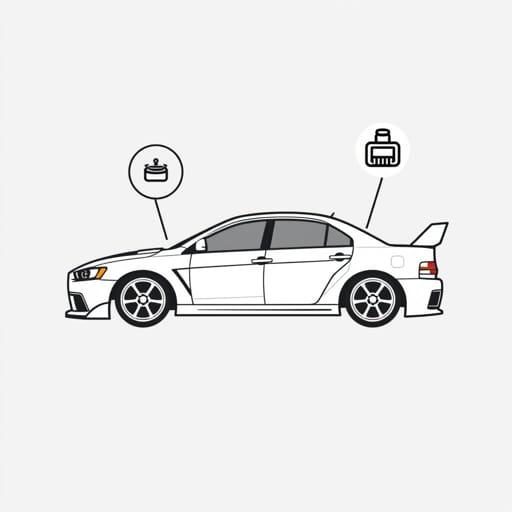
The Mitsubishi Lancer Evolution X, commonly known as the Evo X, is a high-performance sedan that has built a strong following thanks to its turbocharged engine, aggressive styling, and all-wheel-drive handling. Despite its strong performance capabilities, the Evo X is not without its problems. Many owners, especially those who push the car hard or modify it extensively, encounter a range of mechanical and electronic issues. Understanding the common Evo X problems can help potential buyers or current owners maintain their vehicles more effectively and avoid costly repairs in the future.
Engine and Turbocharger Concerns
Turbo Failure and Lag
One of the most discussed Evo X common issues involves the turbocharger. Although the stock turbo is capable, it is prone to failure if the engine is not properly maintained. Signs of turbo issues include reduced boost, lag, and whining noises. Excessive heat and inadequate oiling are often to blame, especially in aggressively driven or poorly serviced vehicles.
Rod Bearing Failure
The 4B11T engine is robust, but some owners have experienced premature rod bearing failure. This problem is often linked to oil starvation or extended use at high RPMs. A knocking noise from the lower end is typically a warning sign. Rod bearing failure can result in catastrophic engine damage if not addressed quickly.
Oil Consumption
Moderate to heavy oil consumption is another known issue, particularly in modified or high-mileage Evo X models. Some engines consume oil faster than expected, even when driven moderately. Regular oil checks and top-offs are essential, and some owners choose to upgrade the PCV system or install oil catch cans to reduce consumption.
Transmission and Clutch Problems
Clutch Wear and Slipping
The Evo X is available with a 5-speed manual transmission and a 6-speed twin-clutch SST (Sport Shift Transmission). Manual transmission models often suffer from premature clutch wear. Aggressive launches, track use, or increased horsepower can accelerate clutch wear, leading to slipping or engagement issues.
SST Transmission Issues
The SST is more refined but has its share of problems. Common Evo X SST problems include:
- Overheating, especially in hot climates or during spirited driving
- Lag or delayed gear engagement
- Warning lights or ‘Service Required’ messages
- High repair or replacement costs
Proper maintenance of the SST, including regular fluid changes using OEM-approved transmission fluid, is crucial to avoid long-term issues.
Cooling and Overheating
Radiator and Cooling System Weak Points
The Evo X is equipped with a decent cooling system, but it can struggle under hard driving or hot weather conditions. Cracked radiators, faulty thermostats, and weak water pumps have been reported. Upgrading to a high-performance radiator or adding an oil cooler is common among enthusiasts who track their vehicles.
Suspension and Steering
Bushing and Control Arm Wear
Many Evo X owners notice premature wear in suspension bushings and control arms. Symptoms include clunking noises, uneven tire wear, or vague steering feedback. Replacing worn components with polyurethane bushings or upgraded arms can improve handling and longevity.
Alignment Issues
Another suspension-related issue is alignment. The aggressive suspension geometry, while great for cornering, can result in misalignment over time. Regular alignment checks and adjustments are needed, especially if the car is lowered or driven on rough roads.
Electrical and Sensor-Related Problems
Check Engine Light (CEL)
CELs are fairly common on the Evo X, and often caused by minor sensor issues. Faulty MAF sensors, O2 sensors, or boost control solenoids may trigger warning lights. These parts are generally not expensive but can be an annoyance if they occur frequently.
Battery and Alternator Issues
Due to the electrical demand of the vehicle, particularly the SST variant, alternator and battery failures are not uncommon. Weak charging systems can cause driveability issues and should be tested during routine maintenance.
Interior and Build Quality
Plastic Trim and Wear
The Evo X, despite its performance focus, has been criticized for interior quality. Thin plastics, rattles, and premature wear of seat fabric or bolsters are regularly noted by owners. Though not a mechanical issue, it can detract from the ownership experience, especially in older or high-mileage models.
Infotainment and Electronics
Basic infotainment and outdated interface systems are another drawback. The factory audio and navigation systems are often replaced with aftermarket solutions for better usability and connectivity.
Rust and Corrosion
In regions with snow and salt exposure, rust can develop under the car, especially around the wheel wells and undercarriage. Undercarriage protection or rust-proofing treatments are recommended for long-term protection.
Maintenance Recommendations
To avoid many of the Evo X common problems, consistent and thorough maintenance is key. Here are some owner-approved tips:
- Use high-quality synthetic oil and change it every 3,0005,000 km
- Service the SST transmission at manufacturer-recommended intervals
- Inspect and replace worn suspension components regularly
- Check for coolant leaks and flush the system as needed
- Keep an eye on turbo performance and boost levels
- Use only OEM or reputable aftermarket parts for repairs and upgrades
The Mitsubishi Evo X is a thrilling vehicle to own and drive, offering impressive performance in stock form and incredible tuning potential. However, its complexity, combined with aggressive usage by most owners, makes it more prone to mechanical and electronic issues. From turbo and engine wear to clutch and suspension problems, Evo X reliability depends largely on how the car is maintained and driven. By understanding the most common Evo X problems and taking a proactive approach to care and repairs, owners can enjoy the vehicle’s full potential while minimizing unexpected breakdowns or costly repairs.