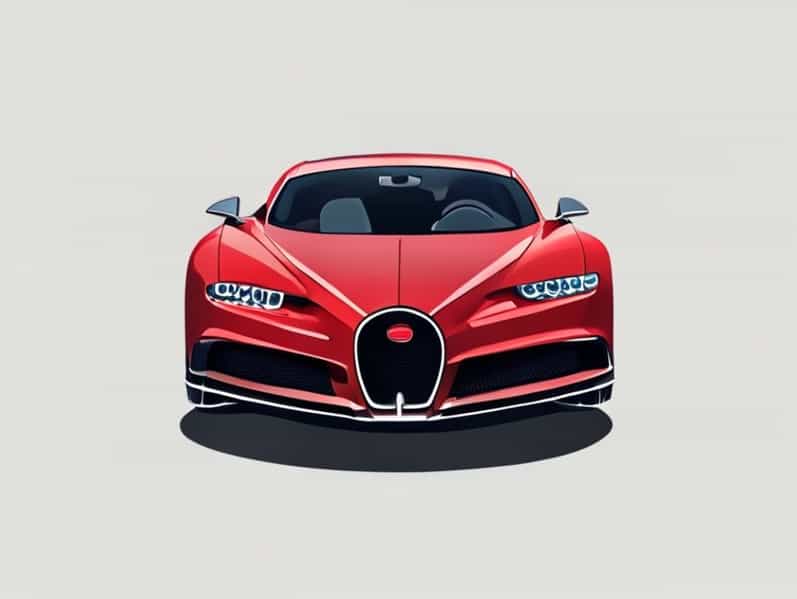
When people hear the name Bugatti, they often think of speed, luxury, and precision engineering. The brand is known for producing some of the fastest and most exclusive cars in the world. However, many car enthusiasts and casual admirers alike wonder from which country is Bugatti? The answer goes beyond a simple nation of origin it’s a story that spans multiple cultures, countries, and decades of automotive innovation. Understanding where Bugatti comes from helps explain why the brand represents such a unique blend of art and engineering.
The Origins of Bugatti
Bugatti was originally founded in the early 20th century by Ettore Bugatti, an Italian-born engineer and designer. Ettore was born in Milan, Italy, in 1881, into a family of artists and craftsmen. His father was a furniture and jewelry designer, which helped instill a sense of aesthetic beauty in Ettore from an early age. Although he was Italian by birth, Ettore’s vision and career took him to another country France where he would eventually establish the brand that bears his name.
Establishing Bugatti in France
In 1909, Ettore Bugatti founded the Bugatti company in the town of Molsheim, which at the time was part of the German Empire but later became part of France after World War I. This small town in the Alsace region became the birthplace of one of the world’s most iconic car brands. Because of this, Bugatti is widely recognized as a French automobile manufacturer, even though its founder was Italian. This dual heritage contributes to the company’s identity a blend of Italian artistic creativity and French precision engineering.
From its early days, Bugatti gained a reputation for crafting vehicles that were not just fast but also beautiful. Ettore’s philosophy was that a car should be both a work of art and a technical masterpiece. The combination of elegant design and advanced performance quickly set Bugatti apart from other automakers of the era.
The Rise of Bugatti in Motorsports
During the 1920s and 1930s, Bugatti became a dominant name in European motorsports. Its cars, such as the Bugatti Type 35, achieved tremendous success in Grand Prix racing. The Type 35 alone won more than 1,000 races, an incredible record that solidified Bugatti’s status as a premier performance brand. These victories also emphasized the craftsmanship and innovation coming out of France, further strengthening Bugatti’s French identity.
At the time, Bugatti cars were known not only for their engineering excellence but also for their design elegance. Ettore’s artistic background was evident in every detail, from the curved lines of the body to the hand-finished interior. The vehicles were as much about emotion as they were about mechanics, reflecting the artistic spirit that was deeply rooted in both Italian and French culture.
The Impact of War and Industrial Change
The years following World War II were difficult for Bugatti. Ettore Bugatti passed away in 1947, and without his leadership, the company struggled to maintain its momentum. Production slowed, and financial troubles mounted. Eventually, the original Bugatti company closed its doors in the 1950s. Yet the legacy of Ettore Bugatti’s vision continued to inspire automotive enthusiasts and engineers around the world.
In the decades that followed, several attempts were made to revive the Bugatti name. Although these efforts varied in success, they all drew upon the brand’s original French heritage and Italian creativity. The name Bugatti never disappeared completely it remained a symbol of elegance, craftsmanship, and performance.
The Modern Revival of Bugatti
Bugatti’s modern era began in 1998 when the German automotive group Volkswagen AG acquired the rights to the brand. Under Volkswagen’s ownership, Bugatti’s headquarters were re-established in Molsheim, France the same place where Ettore Bugatti had founded the company nearly a century earlier. This move was more than symbolic; it represented a return to the brand’s roots and a celebration of its French identity.
The rebirth of Bugatti led to the creation of a new generation of hypercars that pushed the limits of performance and luxury. The Bugatti Veyron, launched in 2005, became the first production car to surpass 400 km/h (about 250 mph). It was a true testament to advanced engineering and a tribute to Ettore’s dream of combining beauty with power. Later models, such as the Chiron and Divo, continued this legacy, showcasing extraordinary speed and design innovation.
Bugatti Today A Symbol of French Excellence
Today, Bugatti remains headquartered in Molsheim, France, and proudly represents French automotive excellence. Every Bugatti car is assembled by hand, reflecting the craftsmanship and artistry that have defined the brand since its beginning. Although it operates under the ownership of a German company, its heart and soul remain unmistakably French.
The current Bugatti lineup continues to embody the brand’s core values performance, luxury, and exclusivity. Each model is produced in limited numbers, ensuring that owning a Bugatti remains one of the most prestigious experiences in the automotive world. From the sleek lines of the Chiron to the futuristic design of the Bolide, Bugatti cars capture the perfect balance between power and elegance.
The Cultural Significance of Bugatti
Beyond cars, Bugatti has become a cultural symbol of sophistication and engineering brilliance. The brand stands for more than just speed it represents the fusion of art and technology. Whether on the racetrack or in a private collection, a Bugatti car reflects the dedication to excellence that began over a century ago in France.
Car enthusiasts around the globe admire Bugatti for its commitment to craftsmanship. Each vehicle undergoes meticulous attention to detail, often taking months to build. This level of dedication is a hallmark of French manufacturing, where quality and precision are held in the highest regard. The fact that Bugatti has maintained this standard throughout its long history is part of what makes it so exceptional.
Interesting Facts About Bugatti’s Heritage
- Italian founder, French companyEttore Bugatti was Italian, but he built his legacy in France, giving the brand its dual identity.
- Molsheim headquartersThe company’s main facility remains in Molsheim, where every modern Bugatti is assembled.
- Racing dominanceIn the 1920s, Bugatti cars won countless Grand Prix races, earning the brand global respect.
- Handcrafted vehiclesEach Bugatti is assembled by a small team of engineers and artisans, ensuring the highest quality.
- Symbol of innovationBugatti consistently pushes the limits of automotive design, blending heritage with cutting-edge technology.
So, from which country is Bugatti? The answer is France. Although its founder, Ettore Bugatti, was Italian, the company’s identity, history, and operations are deeply rooted in French soil. From the early days in Molsheim to the modern era of hypercars, Bugatti has represented the pinnacle of French artistry and engineering excellence. Its cars are not just machines they are moving works of art that embody passion, performance, and heritage.
Bugatti’s journey from its beginnings to its present-day success is a story of international collaboration and timeless craftsmanship. France remains the proud home of Bugatti, a brand that continues to inspire admiration and set new benchmarks in the world of luxury automobiles. Whether viewed on the road or in a museum, a Bugatti always tells a story of innovation, elegance, and the enduring spirit of French excellence.