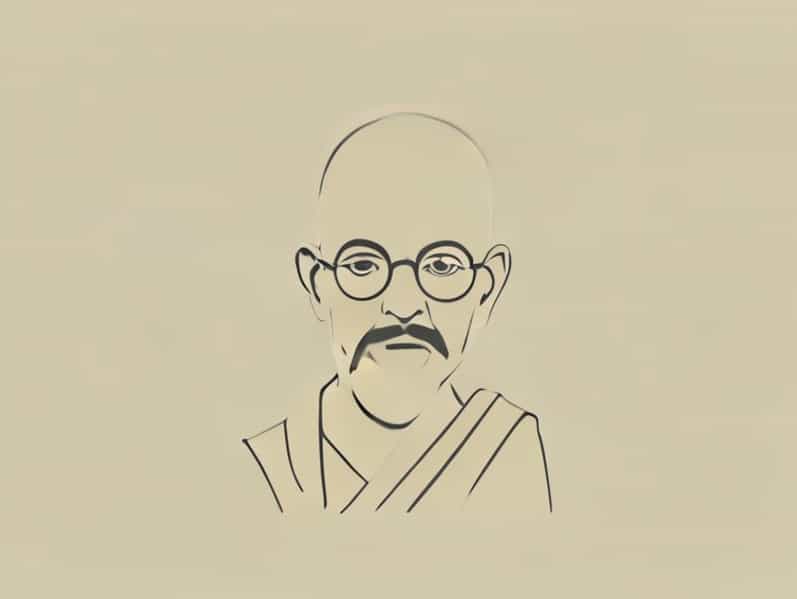
The Gandhian philosophy of cleanliness is not merely about personal hygiene or maintaining tidy surroundings it represents a moral, social, and spiritual discipline deeply rooted in the ideals of Mahatma Gandhi. For Gandhi, cleanliness was both a physical necessity and a moral obligation. His teachings on sanitation, self-respect, and community health continue to inspire modern cleanliness campaigns across India and the world. Those seeking to understand this philosophy in depth often explore resources such as the Gandhian Philosophy of Cleanliness PDF, which compiles his views and practices on hygiene, sanitation, and the connection between inner and outer purity.
The Essence of Gandhian Philosophy of Cleanliness
At the heart of Gandhian thought lies the belief that cleanliness is next to godliness. Gandhi saw no distinction between personal purity and environmental cleanliness. He taught that maintaining a clean body, home, and community reflects respect for oneself and for others. This approach to cleanliness was not limited to aesthetic purposes; it was tied to ethics, discipline, and the dignity of labor.
In Gandhi’s philosophy, cleanliness was not just a task for others to perform but a duty for everyone. He personally participated in cleaning ashrams, latrines, and public spaces, setting an example for his followers. This practical engagement demonstrated his belief that true service to the nation begins with personal responsibility and self-discipline.
Historical Context of Gandhi’s Cleanliness Movement
When Mahatma Gandhi returned to India from South Africa in 1915, he observed widespread unhygienic practices across Indian villages and cities. The lack of sanitation facilities and disregard for cleanliness disturbed him deeply. Gandhi recognized that without cleanliness, India could not progress socially, economically, or spiritually.
He began integrating the idea of sanitation into his political and social campaigns. During his travels, Gandhi emphasized the need for clean surroundings as an essential step toward Swaraj, or self-rule. He often said that true independence could not be achieved without moral and physical cleanliness. To Gandhi, sweeping streets and maintaining toilets were not lowly tasks but acts of noble service to humanity.
Key Principles of the Gandhian Philosophy of Cleanliness
1. Personal Hygiene as a Moral Duty
Gandhi believed that every individual had a responsibility to maintain personal hygiene. Cleanliness of the body and clothes was, in his view, a reflection of inner discipline. He encouraged people to bathe regularly, wash clothes, and keep their surroundings neat. This was not out of vanity but as an expression of respect for life and health.
2. Community Sanitation
Beyond personal hygiene, Gandhi emphasized the importance of community participation in maintaining public cleanliness. He encouraged collective efforts in cleaning streets, wells, and public spaces. For Gandhi, this collective action not only promoted hygiene but also unity and equality among citizens.
3. Dignity of Labor
Gandhi fought against the idea that cleaning work was degrading or meant only for certain castes. He himself would clean toilets and pick up waste, demonstrating that no task was too small or unworthy. His actions were a direct challenge to the caste-based notions that associated sanitation work with social inferiority.
4. Environmental Awareness
Though Gandhi lived in a time before the modern concept of environmentalism, his teachings were deeply eco-conscious. He advocated simple living and responsible use of resources, urging people not to waste water or pollute their surroundings. His approach aligns closely with today’s sustainable living philosophies.
5. Inner and Outer Cleanliness
One of the most profound aspects of Gandhian philosophy was the link he made between physical cleanliness and moral purity. Gandhi believed that cleanliness of the body and surroundings mirrored the cleanliness of the mind and soul. A person striving for truth and nonviolence must also cultivate habits of orderliness and purity in everyday life.
The Practical Application in Gandhi’s Life
Gandhi practiced what he preached. At his ashrams in Sabarmati and Sevagram, he established strict routines for cleanliness. Every resident, regardless of social background, was expected to participate in cleaning activities. Tasks were divided equally, emphasizing self-reliance and community cooperation. Gandhi considered the act of cleaning toilets a spiritual exercise, teaching humility and service.
He also encouraged the use of simple tools and natural materials for sanitation. He discouraged the accumulation of waste and promoted recycling long before it became a global trend. Gandhi’s emphasis on simplicity and frugality helped cultivate an early sense of environmental responsibility.
The Relevance of Gandhian Cleanliness Philosophy Today
Even in the 21st century, Gandhi’s message on cleanliness holds great significance. His vision has inspired movements like the Swachh Bharat Abhiyan (Clean India Mission), launched by the Indian government in 2014. This campaign reflects Gandhi’s idea that true progress begins with a clean and healthy environment.
Modern societies face challenges such as urban pollution, plastic waste, and poor sanitation infrastructure. Revisiting Gandhian ideas can help address these issues through moral education, community participation, and respect for nature. Cleanliness, according to Gandhi, should not depend on enforcement but should come from inner conviction and awareness.
Educational Value of the Gandhian Philosophy of Cleanliness PDF
For students, scholars, and social reformers, the Gandhian Philosophy of Cleanliness PDF serves as an important educational resource. It compiles Gandhi’s speeches, writings, and practices related to hygiene and sanitation. Through this document, readers can explore how cleanliness was central to Gandhi’s broader vision of human welfare and national progress.
Some key topics often covered in such a PDF include
- The relationship between sanitation and social equality
- Case studies from Gandhi’s ashrams and public campaigns
- Quotes and excerpts from Gandhi’s journals on hygiene
- Methods of practical cleanliness used in village communities
- The moral and spiritual dimensions of sanitation
Educators often use these materials to promote awareness among students about hygiene, environmental care, and ethical responsibility. Reading Gandhi’s own words brings a deeper understanding of how cleanliness can transform not only physical spaces but also social attitudes.
Challenges in Implementing Gandhian Ideals
Despite the timeless wisdom of Gandhi’s teachings, applying them in modern society remains challenging. Rapid urbanization, population growth, and industrial waste have created sanitation crises that require large-scale policy interventions. While Gandhi focused on individual responsibility, today’s world demands both personal action and institutional support.
However, Gandhi’s model of decentralized action where every individual and community takes ownership of cleanliness remains relevant. Grassroots movements, school programs, and local leadership can still bring about significant change, just as Gandhi envisioned.
The Gandhian philosophy of cleanliness represents a holistic approach to life that connects hygiene, morality, and social responsibility. Gandhi’s teachings remind us that true cleanliness begins with self-awareness and extends to our surroundings, communities, and environment. His insistence on dignity of labor, personal responsibility, and environmental respect continues to inspire efforts toward sustainable living.
Exploring resources like the Gandhian Philosophy of Cleanliness PDF offers an opportunity to rediscover these timeless lessons in a modern context. As the world grapples with sanitation and environmental challenges, Gandhi’s simple yet profound message remains clear cleanliness is not just a physical act but a pathway to spiritual and social transformation. By embracing his ideals, we move closer to a cleaner, healthier, and more compassionate world.