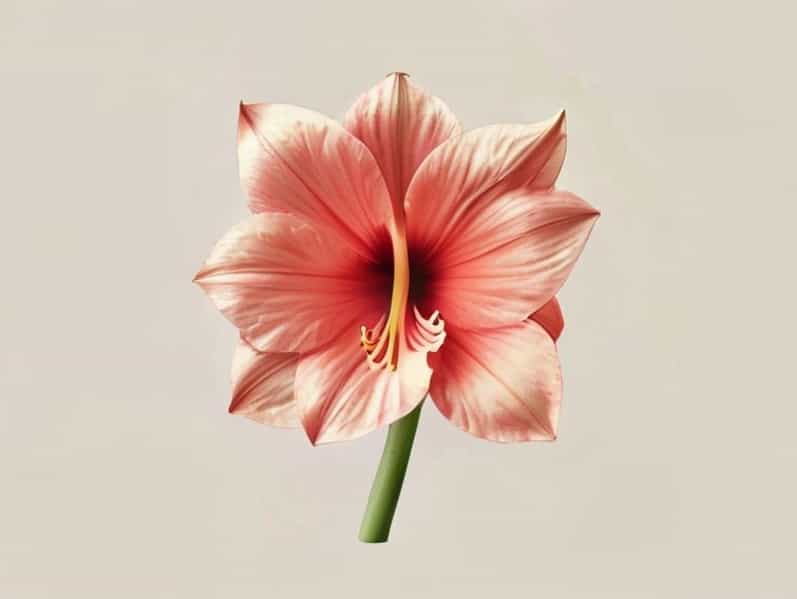
The giant amaryllis in wax, also known as Hippeastrum, is a stunning flowering plant that has captured the attention of gardeners and floral enthusiasts around the world. Known for its bold, trumpet-shaped flowers and vibrant colors, this variety is particularly popular during the winter holiday season as a decorative indoor plant. While the wax coating on some cultivated varieties enhances the longevity and shine of the flowers, proper care is essential to ensure that the plant thrives and blooms repeatedly. Understanding the unique requirements of giant amaryllis in wax, including light, water, soil, and seasonal maintenance, is crucial for both novice and experienced gardeners aiming for a spectacular display.
Understanding the Giant Amaryllis in Wax
The giant amaryllis is renowned for its large, showy flowers, which can reach up to 10 inches across in some cases. The in wax variety refers to plants that have been treated with a wax coating on the flowers or leaves to enhance durability and aesthetic appeal. This coating helps retain moisture and can protect the blooms from minor environmental stress, making it a popular choice for indoor display and gifting. These plants belong to the Amaryllidaceae family and are native to South America, particularly regions of Brazil and Argentina.
Key Characteristics
- Large, trumpet-shaped flowers that bloom in clusters.
- Vibrant colors including red, white, pink, and orange, often with stripes or edges in contrasting hues.
- Glossy wax-coated petals that improve flower longevity.
- Long-lasting blooms that can last several weeks with proper care.
- Bulbous growth habit, requiring seasonal dormancy to regenerate.
Planting and Potting
Successful cultivation of giant amaryllis in wax begins with selecting a healthy bulb and providing appropriate potting conditions. A well-draining potting mix is essential to prevent waterlogging, which can cause bulb rot. The pot should be slightly larger than the bulb, with drainage holes to allow excess water to escape. Positioning the bulb so that the top third is exposed above the soil surface helps encourage strong flower stalk growth. Adding a layer of decorative stones can enhance the aesthetic appeal and support the waxed blooms.
Potting Tips
- Use a high-quality potting soil with good drainage, or a mix of peat, sand, and compost.
- Ensure the pot has drainage holes to prevent root rot.
- Place the bulb with the top third above the soil for optimal growth.
- Water sparingly until the first shoot emerges to avoid excessive moisture.
- Consider a supportive stake for heavy blooms to prevent bending.
Light Requirements
Giant amaryllis in wax thrives in bright, indirect light. Placing the plant near a south- or west-facing window ensures adequate light for robust growth and vibrant flowers. While the plant can tolerate moderate indoor lighting, insufficient light can result in weak stems and smaller blooms. During the flowering period, exposure to indirect sunlight also helps maintain the shine and color intensity of the wax-coated petals. Rotating the plant occasionally ensures even light distribution and balanced growth.
Light Tips
- Provide at least six hours of bright, indirect light per day.
- Avoid direct harsh sunlight, which can scorch leaves and petals.
- Rotate the pot every few days for even exposure.
- Supplement with grow lights during winter months if natural light is limited.
Watering and Humidity
Proper watering is critical to the health of giant amaryllis in wax. The soil should be kept moist but not soggy, especially during active growth and flowering. Overwatering can lead to bulb rot, while underwatering can stunt flower development. Using room-temperature water is recommended to avoid shocking the roots. Additionally, maintaining moderate humidity helps preserve the glossy appearance of the waxed petals. Mist the leaves lightly or place a tray of water nearby to increase humidity without causing water accumulation at the base.
Watering Guidelines
- Water thoroughly when the top inch of soil feels dry.
- Reduce watering during the dormant period after flowering.
- Use room-temperature water to prevent stress on the bulb.
- Ensure excess water drains from the pot to avoid rot.
- Increase humidity with a pebble tray or light misting around the plant.
Fertilization
To support vigorous growth and vibrant blooms, giant amaryllis in wax benefits from regular feeding during its growing season. A balanced liquid fertilizer, applied every two to four weeks, provides essential nutrients for flower production. Once the plant enters dormancy after flowering, fertilization should be reduced or stopped, allowing the bulb to rest and store energy for the next cycle. Organic compost or slow-release fertilizers can also be used to enrich the soil without overwhelming the plant.
Fertilization Tips
- Use a balanced fertilizer with equal nitrogen, phosphorus, and potassium.
- Feed every 2 4 weeks during active growth and flowering.
- Cease fertilization during dormancy to prevent nutrient stress.
- Consider organic options like compost or slow-release pellets for gradual nutrient supply.
- Water before fertilizing to avoid burning roots or bulbs.
Flowering and Dormancy
The flowering phase of giant amaryllis in wax is the highlight of the plant’s life cycle. Blooms can last up to several weeks, and the wax coating often enhances longevity by protecting the petals. After flowering, the plant enters a dormancy period, during which foliage may yellow and die back. This resting phase is essential for replenishing the bulb’s energy for future blooms. Reducing water and withholding fertilizer during dormancy encourages the bulb to conserve resources. After a few months, the plant can be reawakened by resuming regular watering and providing ample light.
Care During Dormancy
- Reduce watering to minimal levels while the foliage dies back.
- Keep the bulb in a cool, dry, and well-lit area.
- Avoid fertilizing to allow energy storage in the bulb.
- Trim dead foliage to maintain cleanliness and reduce disease risk.
- Resume regular care after 8 12 weeks to induce new growth and blooms.
Pest and Disease Management
While generally resilient, giant amaryllis in wax can be susceptible to pests like spider mites, aphids, and mealybugs. Regular inspection of leaves and flowers helps detect infestations early. Mild insecticidal soap or neem oil can control pests without harming the plant. Additionally, proper watering, adequate drainage, and good air circulation reduce the risk of fungal diseases and bulb rot. Maintaining a clean environment around the plant is essential for long-term health.
Pest Control Tips
- Inspect leaves, stems, and flowers regularly for pests.
- Use gentle insecticidal sprays or neem oil for treatment.
- Maintain proper watering and soil drainage to prevent fungal infections.
- Remove dead or decaying foliage promptly.
- Keep the plant in a well-ventilated area to discourage pests.
Caring for a giant amaryllis in wax requires attention to light, water, fertilization, and seasonal changes. The wax-coated petals enhance the beauty and longevity of the flowers, making this plant a favorite for indoor decoration and gifting. By providing proper potting, bright indirect light, balanced watering, and nutrient-rich soil, gardeners can enjoy spectacular blooms year after year. Awareness of dormancy periods, pest management, and careful handling ensures that the giant amaryllis continues to thrive, rewarding its caretakers with bold, vibrant flowers and a striking presence in any indoor garden. With dedication and the right care practices, the giant amaryllis in wax can remain a stunning centerpiece and a testament to horticultural beauty.