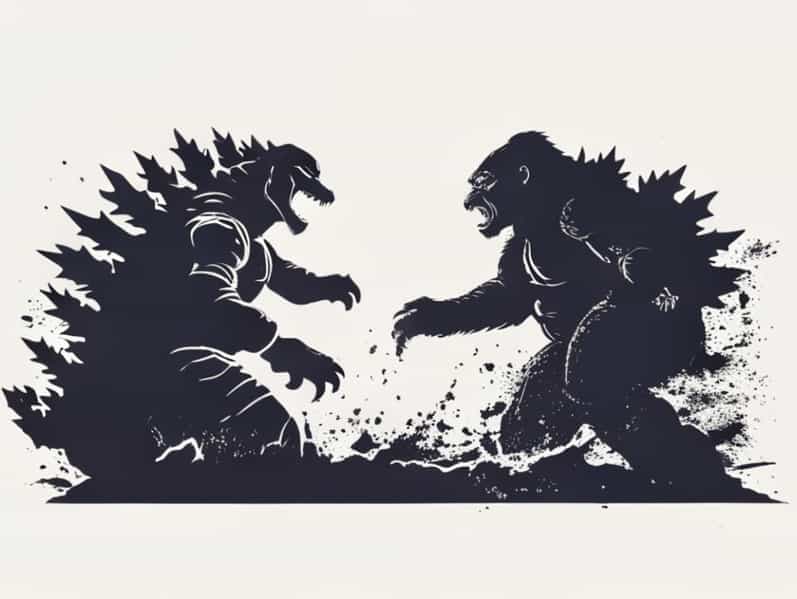
The clash between Godzilla and Kong in Godzilla x Kong has captivated audiences around the world, not only for its epic battles but also for the spectacular visual effects and large-scale destruction it portrays. One of the recurring discussions among fans and critics alike is the concept of collateral damage within the movie. As these colossal titans collide, entire cityscapes and landscapes are affected, raising questions about the consequences of their fights on human civilization and the environment. Understanding the scale and implications of this destruction provides deeper insight into the movie’s narrative and thematic elements, highlighting both the awe-inspiring spectacle and the real-world lessons embedded in monster cinema.
The Scale of Destruction in Godzilla x Kong
From the opening scenes, Godzilla x Kong demonstrates the immense power of its titular monsters. Godzilla’s radioactive breath and Kong’s sheer physical strength are not confined to isolated areas; their battles reverberate across cities, forests, and oceans. Skyscrapers crumble, bridges collapse, and entire neighborhoods are left in ruins. The filmmakers intentionally emphasize the vastness of this destruction, making it clear that when two creatures of such magnitude clash, collateral damage is inevitable. This scale of destruction is central to the film’s impact, providing both tension and visual spectacle for audiences.
Urban Collateral Damage
One of the most striking aspects of the film is the depiction of urban destruction. Metropolises serve as arenas for the titans’ confrontations, resulting in widespread damage to infrastructure and civilian property. Buildings are toppled, roads are destroyed, and vehicles are obliterated. This urban collateral damage not only emphasizes the raw power of Godzilla and Kong but also highlights the vulnerability of human civilization in the face of such forces. By showcasing these destructive consequences, the film adds a layer of realism to its fantastical narrative, reminding viewers that the presence of these monsters carries serious repercussions for humanity.
Environmental Impact
Beyond urban settings, the collateral damage extends to natural environments. Kong’s battles in forests and Godzilla’s aquatic attacks impact ecosystems and wildlife. Trees are uprooted, mountainsides are destroyed, and rivers are disturbed. The filmmakers depict these environmental consequences in a way that underscores the broader impact of the monsters’ conflicts. By including these scenes, Godzilla x Kong presents a dual perspective on destruction one that is both immediate and visually spectacular, and another that raises awareness of the fragility of natural habitats in the face of overwhelming force.
Symbolism of Collateral Damage
While the physical destruction in the movie is visually impressive, it also carries symbolic meaning. Collateral damage in Godzilla x Kong reflects the unintended consequences of conflict, a theme that resonates beyond the realm of monster movies. The battles between titans can be seen as metaphors for human conflict, where powerful forces clash and innocent bystanders or ecosystems suffer as a result. By presenting the collateral damage in this context, the film encourages viewers to consider responsibility, accountability, and the broader implications of actions taken by those in power, whether they be monsters or humans.
Human Responses to Destruction
The movie also explores human reactions to the massive collateral damage caused by these battles. Scientists, military personnel, and civilians are shown navigating the aftermath of destruction, trying to protect lives and manage the chaos. Emergency responses, evacuation procedures, and strategic planning are central to depicting the realistic consequences of large-scale devastation. This focus on human responses adds emotional weight to the film, reminding audiences that while the monsters are the primary focus, the real-world impact of their actions is profound and often tragic.
Military Involvement
The military plays a significant role in addressing collateral damage in Godzilla x Kong. Troops, tanks, and aircraft attempt to mitigate the destruction while also defending human populations. However, despite their efforts, the sheer scale and power of the monsters often outmatch human capabilities. This dynamic highlights the limits of human intervention when faced with forces beyond comprehension. It also serves to reinforce the narrative tension, as audiences witness the struggle to protect lives amid uncontrollable chaos.
Visual Effects and Realism
The depiction of collateral damage in Godzilla x Kong is heavily reliant on state-of-the-art visual effects. CGI technology allows for realistic portrayals of collapsing buildings, crumbling roads, and environmental devastation. Attention to detail ensures that the destruction feels both believable and awe-inspiring. Lighting, ptopic effects, and physics simulations contribute to the realism, making audiences feel the weight of each impact and the magnitude of the monsters’ power. This technical mastery enhances the storytelling, ensuring that collateral damage is not only spectacular but also emotionally engaging.
Balancing Spectacle and Narrative
While collateral damage provides visual excitement, the filmmakers balance it with narrative elements to ensure that destruction serves the story. Each battle sequence is carefully choreographed to highlight character development, plot progression, and thematic resonance. By integrating collateral damage into the narrative, Godzilla x Kong avoids mere spectacle for spectacle’s sake, creating a film where destruction reinforces emotional and thematic stakes rather than simply serving as a backdrop.
Lessons and Reflections
Godzilla x Kong encourages viewers to reflect on the broader implications of collateral damage. While the movie is set in a fantastical world with gigantic monsters, it mirrors real-world concerns about the consequences of large-scale conflict, whether from natural disasters, human-made disasters, or societal upheaval. The film invites audiences to consider responsibility, preparedness, and resilience in the face of overwhelming forces. By combining entertainment with thoughtful reflection, the movie extends its impact beyond thrilling action sequences.
Implications for Pop Culture
The depiction of collateral damage in monster films like Godzilla x Kong has influenced pop culture by setting new standards for visual storytelling and narrative depth. The film’s ability to combine high-stakes destruction with emotional resonance elevates it beyond traditional monster movies. Fans and critics often discuss the realism of the collateral damage and how it enhances immersion, demonstrating the growing sophistication of modern cinematic techniques in portraying large-scale devastation.
Collateral damage in Godzilla x Kong is a central aspect of the film that enhances both the visual spectacle and the narrative depth. Through meticulous attention to detail, realistic visual effects, and thoughtful integration into the story, the movie portrays destruction that is awe-inspiring, emotionally engaging, and thematically meaningful. Urban and environmental devastation highlight the immense power of the titans while reflecting broader symbolic and real-world implications. Human responses, military interventions, and the film’s careful choreography ensure that collateral damage is not merely background action but a core element that shapes the viewer’s experience.
By exploring the concept of collateral damage, Godzilla x Kong invites audiences to consider the consequences of unchecked power and conflict, all while providing a thrilling cinematic experience. The movie successfully balances entertainment, technical mastery, and thematic depth, making it a landmark in the monster movie genre. Collateral damage becomes more than just destruction; it serves as a lens through which viewers can appreciate the stakes, the narrative, and the emotional resonance of the story. Ultimately, the film leaves a lasting impression, demonstrating that even in fantastical worlds, the consequences of conflict are both profound and unforgettable.