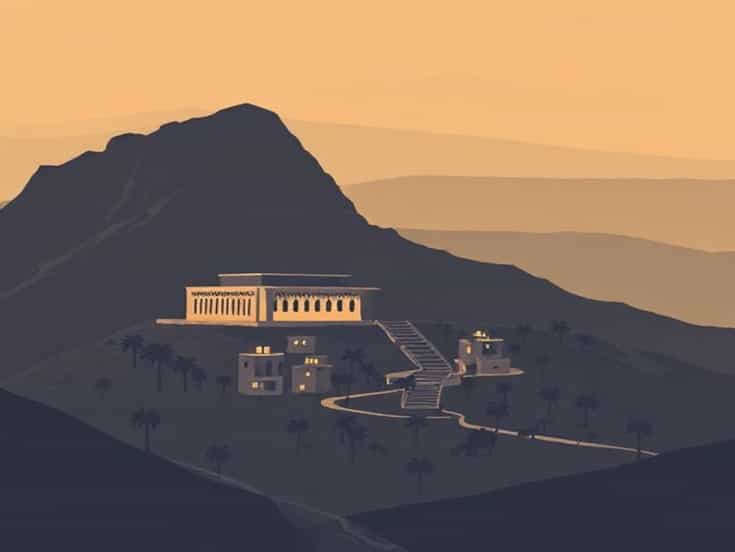
The story of Noah Lott and the lost city has captured the imagination of explorers, historians, and enthusiasts of ancient mysteries around the world. The question of whether the lost city is real has sparked debates, documentaries, and extensive online discussions. Noah Lott, a researcher and adventurer, has dedicated years to tracing legends, studying historical accounts, and examining archaeological evidence to uncover clues about this enigmatic location. The concept of a lost city carries a sense of adventure and discovery, and Lott’s investigations have brought new attention to the possibility that such a place might exist beyond myth and folklore.
Who is Noah Lott?
Noah Lott is an explorer, historian, and investigator known for his work in tracing lost civilizations and uncovering hidden histories. His work often involves a combination of field research, historical analysis, and interviews with local communities. Lott is recognized for his meticulous approach, balancing skepticism with open-mindedness, and seeking evidence that can bridge the gap between legend and reality. The lost city project became one of his most well-known endeavors, as it involves a place shrouded in mystery, reportedly hidden deep in uncharted territories.
Motivation Behind the Quest
Lott’s pursuit of the lost city is fueled by both historical curiosity and the thrill of discovery. Ancient texts, local folklore, and oral traditions have long hinted at the existence of a city that was rich, technologically advanced, and suddenly vanished from history. By exploring these sources, Noah Lott hopes to shed light on a civilization that could redefine our understanding of history. His approach is methodical, combining modern technology like satellite imaging and ground surveys with traditional research methods.
The Legend of the Lost City
The lost city that Noah Lott investigates is said to be hidden in a remote and challenging environment, often described in folklore as a place of immense wealth and cultural significance. Some accounts suggest that it predates known civilizations, with advanced architecture, intricate road systems, and evidence of trade. Many stories describe the city as mysteriously abandoned, which has fueled speculation about natural disasters, conflicts, or other cataclysmic events that led to its disappearance. These legends have been passed down through generations, often blending historical events with mythological embellishments.
Key Features According to Legends
- Advanced architectural designs and urban planning
- Rich artifacts and treasures reportedly left behind
- Strategic location, often near rivers or natural resources
- Evidence of a complex societal structure and governance
- Mysterious abandonment or destruction events
Evidence and Research
Noah Lott’s investigations focus on gathering tangible evidence to support or refute claims about the lost city. This involves analyzing historical maps, studying ancient manuscripts, and consulting local historians and elders. Some satellite imagery has suggested unusual formations that could indicate the presence of man-made structures, while ground expeditions have uncovered ruins, pottery fragments, and other artifacts. While definitive proof remains elusive, the accumulating evidence provides compelling reasons to continue exploring the theory that the city could be real.
Challenges in Verification
One of the main challenges in proving the existence of the lost city is its purported remote and inaccessible location. Dense forests, rugged terrain, and limited local infrastructure make expeditions logistically difficult. Additionally, distinguishing between natural formations and man-made structures requires careful scientific analysis. Historical documents are often vague or contradictory, and oral traditions may have evolved over centuries, blending fact and myth. Despite these hurdles, Lott’s work emphasizes cautious optimism, valuing evidence-based conclusions over sensational claims.
Scientific and Archaeological Perspectives
From a scientific and archaeological standpoint, the search for the lost city is both exciting and controversial. Researchers appreciate the possibility of discovering a previously unknown civilization, which could provide insights into human migration, trade networks, and technological advancements. Archaeologists stress the importance of using proper excavation techniques and preserving sites to prevent damage. Noah Lott collaborates with experts in archaeology, anthropology, and history to ensure that findings are documented and analyzed according to established standards.
Role of Technology in the Search
Modern technology has significantly enhanced the ability to investigate lost cities. Noah Lott utilizes tools such as
- Satellite imagery and aerial surveys to detect anomalies in landscapes
- Ground-penetrating radar to identify buried structures
- 3D mapping to reconstruct potential layouts of ruins
- Digital databases to compare artifacts and cross-reference historical records
- Geographical information systems (GIS) to model ancient environments
These technological approaches increase the likelihood of discovering the lost city while minimizing damage to potential archaeological sites.
Public Interest and Cultural Impact
The story of Noah Lott and the lost city has captivated public imagination, inspiring documentaries, topics, and online discussions. Enthusiasts of archaeology, adventure, and history follow Lott’s updates closely, eager to see if myths can become reality. The possibility of discovering a lost civilization resonates with a universal human fascination for the unknown and the stories that have been hidden over centuries. Cultural impact extends to tourism, educational programs, and media productions exploring ancient mysteries.
Criticism and Skepticism
While interest is high, some skeptics caution against assuming the city is real without conclusive evidence. Critics highlight the dangers of conflating folklore with historical fact and the risk of sensationalism. Noah Lott addresses these concerns by emphasizing a rigorous research methodology and avoiding unsupported claims. The ongoing dialogue between enthusiasts and skeptics ensures that the investigation remains grounded in careful observation and scientific inquiry.
Future Prospects of the Search
Noah Lott continues to plan expeditions and research projects aimed at uncovering more evidence of the lost city. Collaboration with international research institutions, increased use of advanced technology, and meticulous documentation of findings will shape the future of this investigation. Whether the city is eventually proven real or remains a legend, the search itself contributes to our understanding of history, geography, and human civilization. Each new discovery, artifact, or anomaly brings scholars closer to answering one of history’s most intriguing questions.
Potential Discoveries
- Artifacts that illuminate cultural practices and daily life
- Structural remains that reveal architectural techniques
- Evidence of trade, agriculture, and governance systems
- Geographical clues about historical settlement patterns
- Insights into reasons for abandonment or disappearance
The quest led by Noah Lott to determine if the lost city is real is a compelling mixture of history, archaeology, and adventure. By combining meticulous research with modern technology and respect for historical evidence, Lott has brought renewed attention to ancient legends that might otherwise remain overlooked. While definitive proof remains elusive, the investigation highlights the enduring human fascination with discovering hidden civilizations and understanding the mysteries of the past. The story of Noah Lott and the lost city continues to inspire curiosity, debate, and exploration, keeping alive the possibility that some ancient secrets may one day be uncovered.