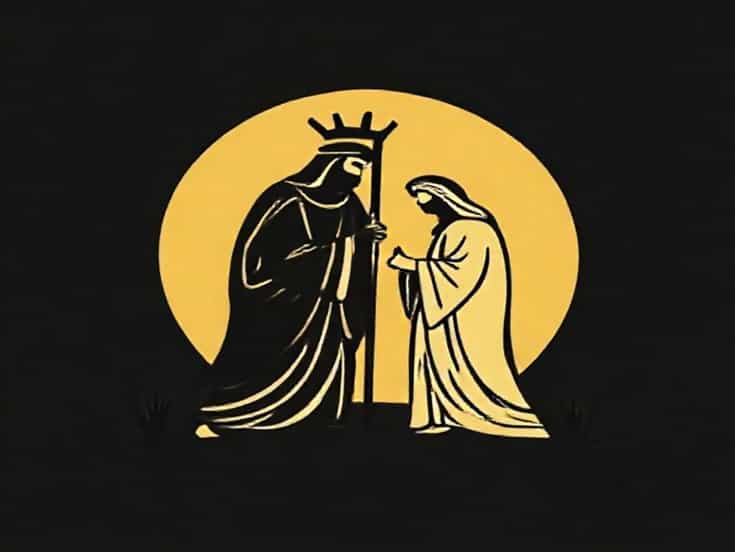
The biblical story of Cain and Abel has fascinated scholars, theologians, and readers for centuries, particularly the episode known as Ofrenda de Cain y Abel or the offering of Cain and Abel. This story, found in the Book of Genesis, explores themes of morality, jealousy, divine favor, and human responsibility. It serves as one of the earliest examples of human struggle with sin, obedience, and the consequences of choices. Understanding the significance of Cain and Abel’s offerings allows us to explore not only the moral lessons embedded in the narrative but also the cultural and religious interpretations that have evolved over time.
The Context of Cain and Abel
Cain and Abel were the first two sons of Adam and Eve, the first humans according to biblical tradition. Abel was a shepherd, tending flocks of sheep, while Cain was a farmer, working the soil to produce crops. The brothers’ professions were not just occupational choices but also carried symbolic meanings within the ancient context. Abel, as a shepherd, represented care and stewardship of living creatures, whereas Cain, as a farmer, represented toil, cultivation, and human connection to the earth. These roles set the stage for the crucial moment of their offerings to God.
The Ofrenda Meaning and Significance
The term Ofrenda refers to the offerings or sacrifices made to God. In the case of Cain and Abel, each brother presented an offering as an act of devotion and gratitude. Abel offered the firstborn of his flock, along with their fat portions, which signified dedication and the best of what he had. Cain offered fruits of the soil, but according to the biblical account, God did not regard Cain’s offering with favor. The disparity between their offerings has been the subject of much interpretation, raising questions about intention, faith, and divine preference.
Interpretations of the Offering
Scholars and religious teachers have long debated why God favored Abel’s offering over Cain’s. Some interpretations focus on the quality and sincerity of the offerings. Abel’s offering is often seen as a sign of true devotion, giving the best of what he had, while Cain’s offering may have lacked the same level of commitment or heartfelt intent. Others interpret the story as illustrating the principle of obedience, suggesting that God values offerings made in accordance with divine instructions rather than merely the material content of the gift.
Symbolism in the Ofrenda
- Abel’s offering symbolizes purity, devotion, and moral righteousness.
- Cain’s offering represents human labor, effort, and sometimes the struggle of moral shortcomings.
- The reaction of God emphasizes the importance of inner intention rather than superficial acts.
- The story foreshadows the consequences of envy, resentment, and moral failure in human life.
- The narrative serves as a reflection on ethical behavior and accountability in human relationships.
The Consequences of Cain’s Actions
After God favored Abel’s offering over Cain’s, Cain became jealous and angry. Unable to manage his feelings of resentment, he committed the first murder by killing his brother Abel. This act, which follows the rejection of Cain’s offering, demonstrates how unchecked emotions and moral failure can lead to destructive behavior. The story of Cain and Abel illustrates the consequences of jealousy, anger, and disobedience, making the Ofrenda de Cain y Abel a lesson not only about offerings but also about human character and responsibility.
Lessons from the Offering
- The importance of sincerity in acts of devotion and moral duties.
- Understanding that external actions are insufficient without genuine intent.
- The dangers of envy and uncontrolled emotions in interpersonal relationships.
- The narrative encourages self-reflection on ethical behavior and personal accountability.
- It also emphasizes that choices have consequences, shaping one’s destiny.
Cultural and Religious Interpretations
Throughout history, the story of Cain and Abel has been interpreted in various ways by different cultures and religious traditions. In Christianity, it is often viewed as a lesson on sin, free will, and divine judgment. In Judaism, the story is seen as a reflection on moral responsibility and the ethical obligations of individuals. Some Islamic interpretations also discuss the offering and the ensuing events, emphasizing obedience to God and the dangers of jealousy. In art and literature, the Ofrenda de Cain y Abel has inspired countless works that explore human emotions, morality, and the struggle between good and evil.
Artistic Representations
- Paintings depicting the moment of offering and God’s reaction.
- Literary works analyzing Cain’s psychological state and moral conflict.
- Religious teachings using the story to instruct followers on ethical behavior.
- Modern adaptations exploring themes of envy, sibling rivalry, and human morality.
- The story continues to inspire discussion on the relationship between humans and the divine.
Modern Reflections on the Ofrenda
In contemporary discussions, the Ofrenda de Cain y Abel remains relevant as a metaphor for ethical decision-making and personal responsibility. It is often cited in moral philosophy, psychology, and religious studies to illustrate how intentions and actions interplay in human life. The story encourages reflection on how personal motivations, sincerity, and ethical behavior affect relationships and societal harmony. Moreover, it highlights the consequences of negative emotions like jealousy, resentment, and anger, emphasizing the importance of self-control and moral awareness.
Applications in Everyday Life
- Encouraging sincere efforts in personal and professional commitments.
- Understanding the ethical impact of choices on oneself and others.
- Reflecting on emotional responses to perceived injustices or favoritism.
- Promoting forgiveness, empathy, and moral responsibility in daily interactions.
- Recognizing the value of intention behind acts, not just the acts themselves.
The Ofrenda de Cain y Abel remains a timeless story that offers profound lessons about morality, intention, and human behavior. Through the narrative of Cain and Abel, readers are invited to explore the complexities of ethical decision-making, the consequences of envy and resentment, and the importance of sincerity in acts of devotion. Beyond its religious context, the story resonates as a reflection on human nature, moral responsibility, and the ethical dilemmas faced by individuals throughout history. By understanding the significance of their offerings and the resulting events, we gain insight into the enduring relevance of this ancient narrative in shaping values and guiding ethical conduct in both personal and societal contexts.