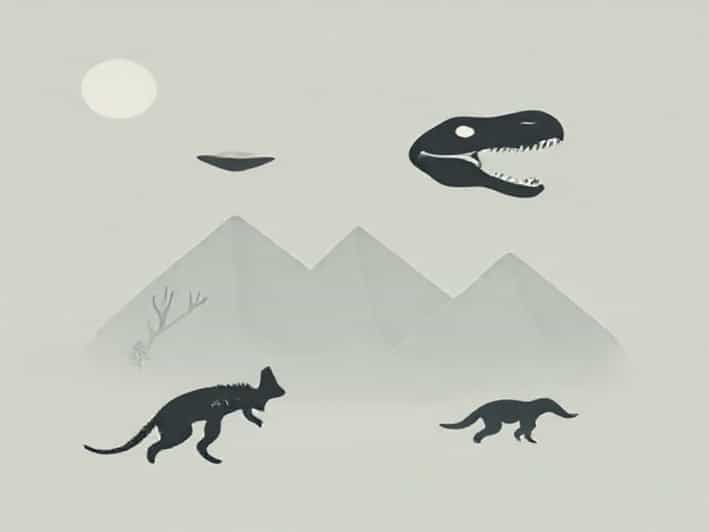
The story of Quaternary extinctions is one of the most dramatic chapters in Earth’s history. It marks a prehistoric revolution that reshaped ecosystems across continents and permanently altered biodiversity. Occurring roughly between 2.5 million years ago and 11,700 years ago, this era witnessed the disappearance of many large animals, known as megafauna. Understanding what caused these extinctions helps us learn how climate change, ecological shifts, and human influence can shape the fate of species. This topic remains important for modern conservation efforts because the patterns seen in the past echo challenges faced by wildlife today.
What Were Quaternary Extinctions?
Quaternary extinctions refer to the widespread and often rapid disappearance of animal species during the Quaternary period. This geological period includes the Pleistocene and the Holocene epochs. It was a time marked by repeated ice ages, fluctuating climates, and the evolution and spread of humans. Many species that had survived millions of years of natural environmental change could not withstand the new pressures that emerged during this time. The scale and speed of loss have led researchers to view it as a prehistoric revolution in the natural world.
The Megafauna of the Quaternary Era
Before the extinctions, the Earth was home to magnificent large animals that dominated their environments. These creatures are often referred to as megafauna because many weighed over 44 kilograms. They played essential roles in maintaining ecological balances. Some iconic examples of megafauna include
- Mammoths and mastodons
- Saber-toothed cats
- Giant ground sloths
- Woolly rhinoceroses
- Glyptodons
- Short-faced bears
These species were well adapted to their environments, yet many vanished by the end of the last Ice Age. Their disappearance dramatically altered food chains and landscape dynamics.
Causes of the Quaternary Extinctions
Scientists continue to debate the exact causes of this prehistoric wave of extinctions. However, two main theories dominate discussions climate change and human impact. Most researchers today agree that the extinctions were the result of a combination of both rather than a single cause.
Climate Change and Environmental Shifts
The Quaternary period experienced repeated glacial and interglacial cycles. These climate fluctuations dramatically changed habitats. As ice sheets expanded and retreated, ecosystems shifted in response. Temperature swings affected food availability, vegetation types, and water sources. Many species struggled to adapt quickly enough to survive these transformations. For example, large herbivores that relied on grass-rich environments faced starvation when forests began spreading as the climate warmed.
Human Expansion and Overhunting
The rise and spread of early humans coincided with the timeline of these extinctions. As humans migrated from Africa into Europe, Asia, Australia, and the Americas, many regions saw a rapid decline in megafauna shortly after their arrival. Skilled hunter-gatherers posed a new threat to animals that had never encountered human predators before. The overkill hypothesis suggests that humans hunted large animals faster than they could reproduce, leading to population collapse.
Besides direct hunting, humans also changed landscapes through the use of fire, clearing land for movement and resources. These actions indirectly affected species that depended on natural vegetation and undisturbed habitats.
A Combination of Pressures
Most experts believe neither climate change nor human influence alone fully explains the scale of Quaternary extinctions. Instead, a combination of environmental shifts and human activities created a tipping point. Species already weakened by climate stress were more vulnerable to hunting. Once populations fell below a sustainable level, recovery became impossible. This combination triggered a chain reaction that eventually led to the loss of entire ecosystems of megafauna.
Regional Patterns of Extinction
The impact of Quaternary extinctions was not uniform across the world. Different regions experienced losses at different times, depending on when humans arrived and how climates changed.
North America
North America saw one of the most dramatic losses of megafauna. More than 70% of large mammal species became extinct near the end of the Pleistocene. Mammoths, giant beavers, camels, and dire wolves vanished. This coincided closely with the arrival of early human populations.
South America
South America also suffered significant losses, including giant sloths, saber-toothed cats, and glyptodons. The continent’s isolation for millions of years had produced unique species, but their lack of experience with human hunters made them highly vulnerable.
Australia
Australia’s megafauna extinctions occurred earlier than in many other regions. Giant kangaroos, massive wombats known as diprotodons, and large reptiles disappeared soon after humans first settled on the continent. The use of fire to manage land may have contributed to habitat loss.
Eurasia and Africa
Eurasia experienced more gradual extinctions, with some megafauna such as mammoths surviving into the Holocene in isolated areas. Africa retained more of its large animals compared to other regions. One theory is that African animals co-evolved with humans and developed effective survival strategies against human hunting.
Ecological Consequences of the Megafauna Loss
The disappearance of large animals reshaped ecosystems in lasting ways. Megafauna played crucial roles as grazers, predators, seed dispersers, and ecosystem engineers. Without them, natural processes shifted. For example, the loss of large herbivores allowed forests and shrubs to spread, which changed fire patterns and altered soil composition.
Predators at the top of the food chain help keep animal populations balanced. Their extinction can cause overpopulation of smaller animals, leading to vegetation damage. The loss of megafauna affected not only plants and animals but also the physical landscape, influencing erosion and nutrient cycles.
Why Quaternary Extinctions Matter Today
Studying Quaternary extinctions offers important lessons for modern conservation. The past shows how rapidly species can disappear when faced with sudden climate change and human pressure. Today, many species are threatened by similar forces. By understanding the prehistoric revolution that shaped biodiversity, scientists can develop better strategies to prevent future mass extinctions.
Efforts to protect large animals today, such as elephants, rhinos, and big cats, reflect awareness of the crucial roles they play in ecosystems. The loss of these species would mirror the ecological changes that followed the Quaternary extinctions.
The Quaternary extinctions marked a turning point in Earth’s natural history. They transformed the animal kingdom and set the stage for modern ecosystems. Driven by climate change, human activity, or both, this wave of megafauna loss teaches us the importance of balance between humans and nature. Understanding this prehistoric revolution helps us recognize the value of biodiversity and the need to protect it. As the world faces accelerating environmental change today, the lessons from the Quaternary era are more relevant than ever.