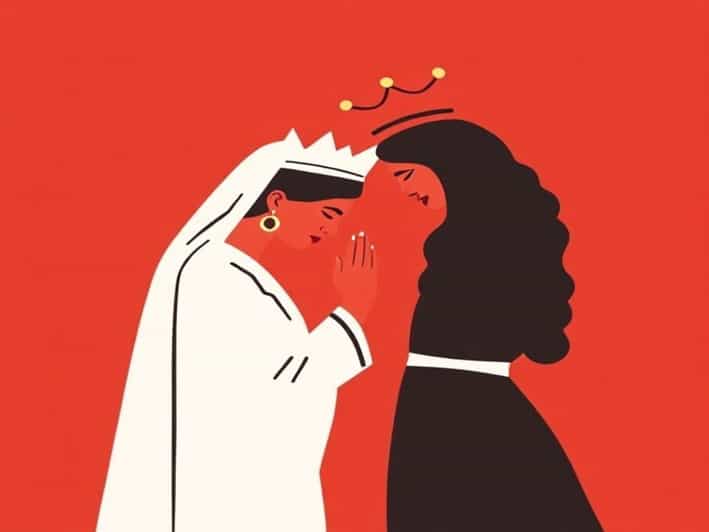
The image of a queen bowing to Haile Selassie has long captured public imagination, often sparking discussion about respect, diplomacy, royal protocol, and the legacy of the Ethiopian emperor on the global stage. Haile Selassie, a symbol of African sovereignty and a respected world leader, interacted with many monarchs and heads of state. The idea of a queen bowing to him is frequently referenced in cultural conversations, particularly due to his influential role in international affairs and the global recognition he received during his leadership. Exploring this topic involves looking at historical meetings, diplomatic customs, and how symbolism has shaped the narrative surrounding royalty and respect.
Haile Selassie as a Global Figure
Haile Selassie I, Emperor of Ethiopia, stood as a powerful and respected leader throughout the 20th century. His reign marked Ethiopia’s emergence as an influential African nation on the world stage. Known for resisting colonial pressures, modernizing Ethiopia, and speaking out against injustice, he earned admiration worldwide. His famous 1936 speech to the League of Nations, delivered after Italy’s invasion, strengthened his reputation as a voice for global justice and sovereignty.
As a result, world leaders, including monarchs, acknowledged his status not only as a political leader but also as a symbol of dignity and resilience. This elevated him to a level of esteem that sometimes led to exaggerated or symbolic stories, including claims of foreign royalty bowing to him.
Royal Etiquette and Diplomatic Protocol
To understand stories about a queen bowing to Haile Selassie, it helps to look at royal and diplomatic protocol. Bowing between leaders is not always literal; it often reflects symbolic gestures of mutual respect. In most cases, reigning monarchs do not bow to one another. Instead, they maintain equal standing as sovereigns. Diplomatic greetings can include nods of acknowledgment, handshakes, or gestures that show respect without diminishing status.
However, there are instances in history where royal etiquette has been flexible, especially during times of political solidarity, state visits, or special cultural ceremonies. Any gesture, whether a slight bow, respectful greeting, or formal honor, can take on cultural significance, especially when involving historically important figures like Haile Selassie.
Meetings Between British Royalty and Haile Selassie
Haile Selassie made several visits to the United Kingdom, and members of the British royal family also acknowledged him as a respected ally. Ethiopia and Britain shared historical ties, especially during the Second World War, when Britain supported Ethiopia’s struggle against Italian occupation.
Haile Selassie’s 1936 Arrival in Britain
When Haile Selassie sought asylum in Britain after the invasion of Ethiopia, he was received with empathy and hospitality. While his status at that moment was that of a deposed leader seeking support, he was still treated with respect. He stayed in the United Kingdom for several years before returning to reclaim his throne in 1941.
Post-War State Visits
After the war, Haile Selassie visited Britain multiple times as a ruling emperor. During these visits, he was treated with the full honors typically reserved for sovereign leaders. State dinners, formal receptions, and military salutes were part of the protocol. While there is no official record of a British queen bowing to him, the tone of these exchanges reflects high regard.
Royal interactions often included gestures of respect from both sides, contributing to the myth and symbolism built over time. The relationship between the British monarchy and Haile Selassie was grounded in mutual recognition of sovereignty and diplomacy.
The Symbolism Behind the Bowing Narrative
The idea of a queen bowing to Haile Selassie is more than a factual claim it carries symbolic meaning. It is frequently referenced in cultural discussions, especially among communities that view Haile Selassie as a prophetic or spiritual figure. In Rastafarian culture, Haile Selassie holds deep spiritual significance as a messianic figure. Because of this, stories highlighting global leaders showing respect to him grow into narrative symbols rather than literal historical events.
In many ways, the story symbolizes
- Recognition of African sovereignty in a world dominated by Western power structures
- A reversal of colonial-era hierarchies
- The global respect and influence Haile Selassie commanded
Even without documented evidence of a formal bow, the narrative persists because it resonates with ideas of justice, equality, and dignity for nations historically marginalized under colonialism.
Cultural Influence and Modern Interpretation
Stories involving Haile Selassie often become more powerful than the documented facts due to cultural transmission. Across music, literature, and oral tradition, the idea of a queen bowing to him reinforces his status as a respected and influential leader.
Influence in Popular Culture
Haile Selassie is referenced in songs, speeches, and community teachings, especially within the African diaspora. Many of these narratives highlight his achievements and international recognition. The bowing story appears in discussions among people who see him as a symbol of African pride, leadership, and spiritual authority. Over time, repetition transforms the story into cultural heritage, regardless of literal historical accuracy.
Historical Context vs. Interpretative Symbolism
While historians focus on verified records, cultural retellings often blend fact with symbolic meaning. For many, the story is not about proving whether a bow actually occurred; it is about acknowledging that Haile Selassie was held in extraordinary esteem even by powerful world figures.
This dual perspective historical and symbolic allows the narrative to serve both educational and inspirational roles.
Why the Story Continues to Resonate
The lasting interest in the idea of a queen bowing to Haile Selassie reflects deeper themes that remain relevant today. It speaks to global respect, equality among nations, and recognition of leadership beyond traditional Western power centers. The story also inspires pride in African heritage and highlights the importance of questioning historical narratives shaped by former colonial powers.
For many, the story symbolizes
- The rise of non-European leaders on the world stage
- Global acknowledgment of African dignity and identity
- The enduring legacy of Haile Selassie as a respected statesman
Even for individuals who do not interpret the story literally, it remains a compelling reminder of the importance of mutual respect between leaders and cultures.
While historical records do not confirm that a queen formally bowed to Haile Selassie, the narrative continues to thrive because of its symbolic power. Haile Selassie’s influence, diplomatic achievements, and enduring legacy contribute to the persistence of this story in cultural memory. Whether viewed as a literal moment or a symbolic expression of respect, the idea reflects broader recognition of his role as a global leader. The story endures as part of the admiration many hold for Haile Selassie, reminding the world of his historical significance, his impact on international diplomacy, and the powerful symbolism attached to his legacy.