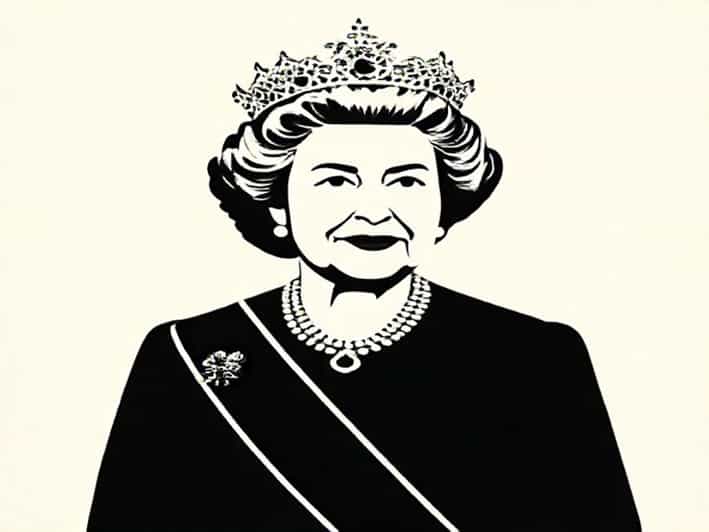
The Falklands War of 1982 remains one of the most defining moments in modern British history, and Queen Elizabeth II’s role during this conflict reflected her steadfast commitment to duty, stability, and national unity. Although she did not intervene directly in political or military matters, her symbolic presence as the head of state played a crucial role in maintaining public morale and supporting the armed forces. Understanding Queen Elizabeth II’s position during the Falklands War provides valuable insight into how the British monarchy functions during times of national crisis, especially one involving distant territories and complex political tensions.
Background of the Falklands War
The Falklands War began in April 1982 when Argentina invaded the Falkland Islands, a British overseas territory located in the South Atlantic Ocean. The islands, known as Islas Malvinas in Argentina, had long been a point of dispute between the two nations. The invasion triggered a strong response from the United Kingdom, led by Prime Minister Margaret Thatcher, who ordered a naval task force to reclaim the islands.
The conflict lasted for about ten weeks, ending in June 1982 with a British victory. Over 600 Argentine and 255 British military personnel lost their lives. The war reaffirmed British sovereignty over the Falklands but also exposed the emotional and political weight of maintaining overseas territories. During this turbulent period, Queen Elizabeth II served as a constant figure of reassurance to the British people and to those serving abroad.
Queen Elizabeth II’s Role During the Conflict
As a constitutional monarch, Queen Elizabeth II maintained her traditional stance of political neutrality throughout the Falklands War. She did not engage in policy decisions or military planning, but her influence was deeply felt in the moral and symbolic realms. The Queen represented continuity, national pride, and the dignity of service, which resonated with both the military and the public.
Support for the Armed Forces
One of the Queen’s most significant contributions during the Falklands War was her unwavering support for the British armed forces. As the Commander-in-Chief of the British military, she took a personal interest in the welfare of soldiers, sailors, and airmen deployed to the South Atlantic. She maintained communication with military leaders and sent messages of encouragement to those serving on the front lines. Her words, though few and formal, carried immense weight for families waiting anxiously at home.
In addition, members of the royal family also took active roles that reinforced the Queen’s sense of solidarity with the troops. Prince Andrew, her second son, served as a Royal Navy helicopter pilot during the conflict. Although his deployment was controversial, it demonstrated the monarchy’s shared sense of sacrifice with ordinary service members. Queen Elizabeth’s composure during this time reflected her deep understanding of duty and personal restraint, even when her own family was directly involved.
Public Presence and National Unity
Throughout the war, the Queen continued to carry out her royal duties with calm determination. She attended public events, met with political leaders, and maintained her schedule to signal that the nation remained stable despite the ongoing conflict. Her demeanor provided reassurance to a country that was both anxious and proud. At a time when emotions were high and political tensions ran deep, her neutrality and quiet strength helped maintain unity across Britain.
Her weekly meetings with Prime Minister Margaret Thatcher also played an important behind-the-scenes role. Although the Queen did not dictate policy, she was known to ask probing questions and provide a steadying influence. The monarchy’s apolitical stance allowed her to act as a source of counsel and continuity in the midst of military and political uncertainty.
The Symbolism of the Monarchy During the War
During the Falklands War, Queen Elizabeth II embodied the spirit of endurance and stability that the British monarchy has long represented. The conflict evoked memories of World War II, a period when her father, King George VI, had also served as a figure of national unity. The Queen’s ability to maintain composure and provide moral leadership echoed that wartime legacy, reinforcing the perception of the monarchy as a pillar of strength during crises.
The Royal Family and Public Sentiment
Public reactions to the Queen’s conduct during the Falklands War were largely positive. The monarchy’s dignified presence reminded people that Britain’s identity extended beyond political leadership it was rooted in shared values, traditions, and resilience. The image of Queen Elizabeth meeting with returning soldiers, visiting memorials, and offering condolences to families of the fallen helped humanize the monarchy and foster a sense of collective mourning and pride.
For many Britons, her actions during this time reaffirmed their emotional connection to the Crown. The Queen’s subtle yet powerful influence helped bridge the emotional gap between government policy and public sentiment, creating a sense of shared national purpose that transcended politics.
Aftermath of the War and Lasting Impact
After the British victory in June 1982, Queen Elizabeth II took part in ceremonies honoring the courage and sacrifice of those who served in the conflict. She met with veterans, attended memorial services, and expressed gratitude to the families who had lost loved ones. These gestures reinforced her role as the nation’s moral anchor and nurturer of collective healing.
The Falklands War also had a lasting impact on the monarchy itself. It demonstrated how the Crown could remain relevant and respected even in modern times by aligning itself with the values of service and sacrifice. The Queen’s quiet leadership and emotional restraint during the war became hallmarks of her reign, influencing how future generations perceived the monarchy’s role in times of crisis.
Strengthening the Bond Between Monarch and Nation
The successful outcome of the Falklands War contributed to a resurgence of national pride, which indirectly benefited the monarchy. Queen Elizabeth II’s measured behavior during the conflict highlighted the importance of continuity, tradition, and dignity in governance. While political leaders received much of the credit for military victory, the Queen’s role in uniting the people emotionally cannot be overstated.
Her handling of the war also strengthened her image internationally. Other nations observed how the British monarchy functioned as a stabilizing force even in the face of global scrutiny and political division. The Falklands War became one of several moments that demonstrated the monarchy’s adaptability in the modern world.
Legacy of Queen Elizabeth II and the Falklands War
Looking back, the Falklands War stands as more than a military confrontation; it was a test of national resilience and leadership at every level. Queen Elizabeth II’s response during this period encapsulated the values that defined her reign duty, composure, and compassion. Her subtle yet powerful influence helped guide the nation through uncertainty and loss without overstepping constitutional boundaries.
Today, historians view the Queen’s conduct during the Falklands conflict as a model of how a constitutional monarch can support her nation without political interference. She neither sought the spotlight nor avoided responsibility, choosing instead to embody the quiet strength that reassured millions. In doing so, she reaffirmed the monarchy’s role as a unifying symbol for the British people.
In the story of Queen Elizabeth II and the Falklands War, there is a lesson in leadership through restraint. Her calm presence reminded the nation that dignity, stability, and duty remain timeless virtues, even amid the turbulence of war. Though she never commanded armies or made battlefield decisions, her moral leadership left an indelible mark on Britain’s wartime history. The Queen’s enduring example during the Falklands War continues to symbolize the strength of unity under pressure and the quiet power of a monarch’s unwavering dedication to her people.