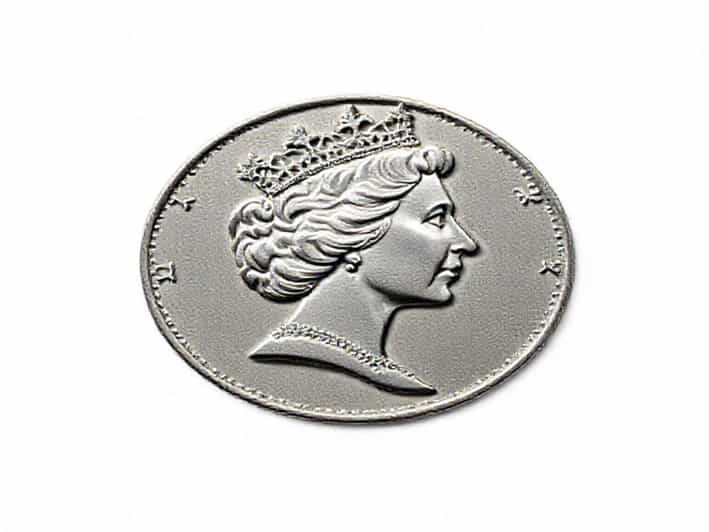
The Queen Elizabeth the Second coin has long captured the interest of collectors, historians, and the general public alike, standing as a symbol of both history and continuity. Featuring the portrait of Queen Elizabeth II, these coins have been minted for decades across multiple countries in the Commonwealth, making them not only currency but also pieces of numismatic art. From circulating coins used in daily transactions to commemorative editions, the Queen Elizabeth the Second coin carries cultural, historical, and monetary significance, offering insight into the monarchy’s legacy and its representation in coinage.
Historical Background of the Coin
The Queen Elizabeth the Second coin first appeared following her ascension to the throne in 1952. It replaced the portraits of her predecessors on coins throughout the United Kingdom and other Commonwealth nations. These coins have been used as a medium to reflect the changing times, commemorate special events, and honor the Queen’s milestones. The design of the coin has evolved over time, capturing different stages of Queen Elizabeth II’s reign, while maintaining a consistent presence in the economies of the Commonwealth.
Early Designs and Minting
- The first portraits depicted a youthful Queen Elizabeth II, symbolizing the beginning of a new era in British history.
- Coins were minted in various denominations, including pennies, shillings, and pounds, depending on the country and era.
- The design often included traditional symbols of monarchy, such as crowns, shields, and national emblems.
- Initial coins were produced in metals like copper, nickel, and silver, reflecting both durability and value.
Common Types of Queen Elizabeth the Second Coins
Over the years, Queen Elizabeth the Second coins have been issued in multiple types, each serving different purposes. Some are intended for everyday use, while others are designed for collectors and commemorations. Each coin type carries unique design features, inscriptions, and symbolic elements, making them distinct and desirable to various audiences.
Circulating Coins
- Used in daily transactions throughout the UK and Commonwealth countries.
- Typically produced in durable metals suitable for frequent handling.
- Features consistent portraits of the Queen, updated periodically to reflect her age and era.
- Includes denominations from small coins like pennies to larger ones like pounds.
Commemorative Coins
- Issued to celebrate special occasions, such as jubilees, anniversaries, or historic events.
- Often made in precious metals such as silver or gold, enhancing collector value.
- Designs include intricate engravings, historical references, and detailed portraits of the Queen.
- These coins are usually limited in quantity, making them highly sought after by numismatists.
Design Evolution
The design of Queen Elizabeth the Second coins has evolved significantly since her early reign. Each new portrait often reflects contemporary artistic styles and the Queen’s maturity over time. Designers have strived to balance realism, regal dignity, and aesthetic appeal. In addition to the portrait, coins may feature national symbols, inscriptions, and thematic designs commemorating important events or cultural milestones.
Portrait Changes
- 1953-1967 The young Queen with a laurel wreath.
- 1968-1984 Mature portrait with crown and detailed facial features.
- 1985-1997 More refined depiction showing the Queen in middle age.
- 1998-2015 Modernized designs emphasizing elegance and continuity.
- 2015 onwards Current designs reflecting the Queen’s later years, often with subtle stylistic updates.
Significance of the Coins
Queen Elizabeth the Second coins serve multiple purposes beyond their monetary value. They act as historical records, cultural symbols, and collector items. For historians and enthusiasts, these coins provide insight into the social, economic, and artistic developments throughout the Queen’s reign. They also foster a sense of connection among Commonwealth nations, uniting diverse populations through shared symbols and heritage.
Cultural and Historical Importance
- Document the evolution of the British monarchy over decades.
- Celebrate national milestones, jubilees, and royal anniversaries.
- Reflect changes in currency, materials, and minting techniques over time.
- Serve as educational tools for understanding the history and traditions of the Commonwealth.
Collecting Queen Elizabeth the Second Coins
Numismatists highly value Queen Elizabeth the Second coins for their historical relevance, aesthetic quality, and rarity. Collectors often seek specific editions, commemorative issues, or coins from particular years. The value of these coins can vary depending on condition, rarity, and demand. Collecting these coins offers enthusiasts a tangible connection to history, royal heritage, and the artistry involved in minting.
Tips for Collectors
- Focus on coins from significant years or commemorative editions for higher value.
- Check the condition of coins carefully; uncirculated or proof coins are more valuable.
- Keep coins in protective holders to maintain their quality over time.
- Research mintage numbers and historical context to understand a coin’s significance.
- Engage with collector communities for advice, trading, and market insights.
Modern Production and Circulation
Even today, Queen Elizabeth the Second coins continue to be minted for circulation, reflecting modern design techniques and materials. Advances in minting technology have allowed for more detailed portraits, durable metals, and enhanced security features to prevent counterfeiting. The coins remain a staple in British currency, circulating alongside digital payment systems while also serving as collectible items for enthusiasts worldwide.
Materials and Minting Process
- Use of modern alloys for durability in circulation coins.
- High-quality silver and gold used in commemorative coins.
- Precision engraving techniques for detailed portraits and designs.
- Regular updates to design to reflect both artistic trends and security measures.
The Queen Elizabeth the Second coin represents more than just currency; it embodies decades of history, cultural heritage, and artistic achievement. From everyday circulating coins to limited-edition commemorative pieces, these coins document the reign of one of the most recognized monarchs in history. Their evolving design, material composition, and symbolic significance make them fascinating for collectors, historians, and the general public alike. Understanding the legacy of these coins provides a window into the Queen’s long reign, the traditions of the British monarchy, and the interconnected histories of Commonwealth nations.
Whether used in daily transactions or treasured in a collector’s cabinet, Queen Elizabeth the Second coins continue to carry the image and influence of the monarch across generations, reflecting both continuity and change. Their enduring presence highlights the role of currency as a medium of culture, history, and identity, ensuring that Queen Elizabeth II’s legacy will remain tangible and appreciated for years to come.