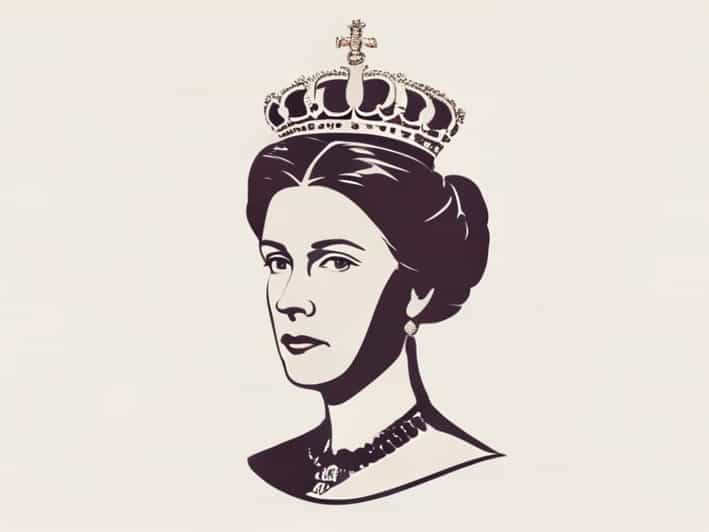
The portrait of Queen Mary of Denmark is more than a simple depiction of royalty; it is a window into the history, culture, and artistic sensibilities of her time. Queen Mary, known for her elegance, intelligence, and charitable endeavors, has been immortalized in various works of art that capture her personality, status, and role within Danish society. Portraits of monarchs not only serve as visual records but also communicate authority, legacy, and national identity. Examining the Queen Mary of Denmark portrait allows us to appreciate the combination of artistry, symbolism, and historical context that these images embody.
Historical Context of Queen Mary of Denmark
Queen Mary of Denmark, born Princess Marie of Orléans in the late 19th century, became a significant figure in Danish history upon her marriage into the royal family. Her arrival in Denmark marked the blending of European royal traditions and the strengthening of international alliances. The period during which her portraits were created reflects a time of political change, cultural refinement, and evolving perceptions of monarchy. These portraits were not merely artistic exercises but instruments for reinforcing royal presence, dignity, and influence both within Denmark and abroad.
Early Life and Royal Marriage
- Born into European nobility, Queen Mary received education in arts, literature, and politics.
- Her marriage into the Danish royal family elevated her role as a public figure and patron of the arts.
- She became known for her charitable work, particularly in supporting social causes and education.
- The cultural environment of Denmark during her life encouraged the commissioning of formal portraits as part of royal tradition.
Significance of the Portrait
The Queen Mary of Denmark portrait serves multiple purposes. Beyond capturing her physical likeness, it reflects her status, personality, and the artistic conventions of the time. Portraits were essential in conveying the authority and dignity of the monarchy, and Queen Mary’s image was often used to inspire respect, loyalty, and admiration among citizens. The portrait also provides insight into fashion, social etiquette, and the aesthetic preferences of the Danish royal court during her lifetime.
Symbolism and Style
- Use of royal attire, crowns, and scepters to indicate sovereignty and status.
- Inclusion of national emblems or background elements to connect the queen to Denmark’s heritage.
- Artistic techniques emphasizing grace, poise, and refinement.
- Subtle use of color, lighting, and posture to convey authority and personality.
Artists and Artistic Techniques
Several prominent artists were commissioned to create portraits of Queen Mary of Denmark. These artists often combined traditional portrait techniques with subtle innovations to capture her character and the dignity of her office. The works vary in style, from formal, highly detailed representations to more intimate, impressionistic interpretations. Artists sought to balance realism with idealization, ensuring that the queen appeared both approachable and regal.
Techniques and Mediums
- Oil painting was the most common medium for formal royal portraits due to its richness and durability.
- Detailed brushwork was used to depict intricate fabrics, jewelry, and insignia.
- Lighting and composition were carefully designed to highlight the queen’s facial features and posture.
- Some portraits incorporated symbolic elements, such as books, flowers, or architectural features, to convey intellect, virtue, or stability.
Evolution of Portraits Over Time
Throughout her life, Queen Mary’s portraits evolved to reflect her changing age, status, and personal accomplishments. Early portraits often emphasized youthful elegance and beauty, while later works highlighted maturity, wisdom, and the responsibilities of queenship. This evolution also mirrors broader artistic trends, moving from rigid formalism to more naturalistic and expressive styles. Collectively, the portraits provide a chronological narrative of her life and role within the Danish monarchy.
Early Portraits
- Focused on youth, grace, and initial impression as a member of the royal family.
- Emphasized elaborate clothing and traditional royal symbols.
- Often commissioned to mark significant events, such as her marriage or public ceremonies.
Later Portraits
- Showed the queen in more mature, composed, and dignified poses.
- Reflected her achievements, social contributions, and personal growth.
- Incorporated elements of Danish culture, national symbols, and contemporary artistic trends.
Public and Historical Reception
Queen Mary’s portraits were widely displayed in royal residences, government buildings, and museums, reinforcing her public image and national significance. They were often reproduced in prints, commemorative items, and official publications, ensuring that her likeness reached a broad audience. Historians and art critics have praised these portraits for their technical skill, cultural value, and ability to convey the queen’s personality and influence.
Impact on Danish Culture
- Reinforced the visual identity and continuity of the Danish monarchy.
- Promoted appreciation for fine arts and portraiture among the public.
- Highlighted the role of queenship in shaping cultural and social initiatives.
- Served as inspiration for contemporary artists and historians interested in royal heritage.
Legacy of Queen Mary Portraits
The legacy of the Queen Mary of Denmark portrait extends beyond its immediate artistic and historical value. It preserves the memory of a significant monarch, reflects the aesthetic and political values of her era, and provides a resource for future generations to study royal life, European art, and cultural history. The portraits remain a testament to her enduring influence on Danish society, demonstrating how visual representation can communicate power, personality, and legacy across centuries.
Modern Appreciation
- Continued display in museums and exhibitions celebrates historical and artistic significance.
- Informs contemporary understanding of European monarchy, tradition, and social roles.
- Collectors and historians study the portraits to gain insight into royal fashion, symbolism, and artistic evolution.
- Serves as a cultural touchstone for Denmark, representing the queen’s contributions and presence in national history.
The Queen Mary of Denmark portrait offers more than a visual record; it encapsulates her influence, status, and the cultural environment of her time. Through careful artistry, symbolic representation, and historical documentation, these portraits allow us to explore the life and legacy of a remarkable monarch. They reflect not only the queen’s personal attributes but also the broader significance of monarchy in preserving national identity and cultural continuity. By studying these portraits, one gains a deeper understanding of European royal history, the art of portraiture, and the enduring power of visual representation in shaping public perception.
Ultimately, the Queen Mary of Denmark portrait serves as a bridge between history and art, providing insight into the lives of monarchs, the societies they led, and the artistic traditions they inspired. It is a lasting tribute to Queen Mary’s legacy and a reminder of the enduring connection between royalty, culture, and artistic expression.