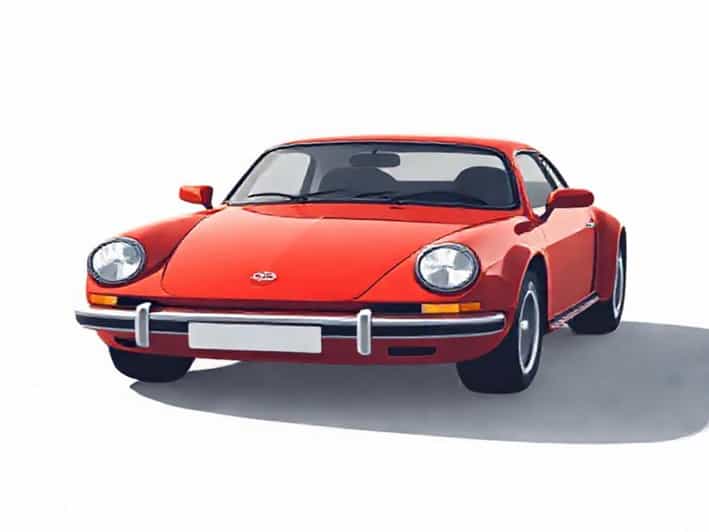
There is a strong sentiment among car enthusiasts that real cars don’t shift themselves. This phrase reflects a passion for manual transmissions and the hands-on driving experience that automatic cars often lack. Driving a car with a manual gearbox involves more than simply moving from point A to point B; it requires skill, timing, and a deep connection with the vehicle. Manual transmissions allow the driver to control the engine’s power, optimize performance, and feel every aspect of the driving experience. For many, this tactile engagement is what makes a car truly enjoyable and rewarding to drive.
The Appeal of Manual Transmissions
Manual transmissions have been the cornerstone of driving for decades. While automatic transmissions offer convenience and ease, they can never fully replicate the sense of control that a manual gearbox provides. Manual cars give the driver the ability to choose gears, control engine revs, and engage with the car on a more intimate level. This hands-on approach appeals to driving purists who value skill, precision, and the satisfaction of mastering a mechanical system.
Performance and Control
One of the primary reasons enthusiasts prefer manual transmissions is the enhanced control over the vehicle. In a manual car, the driver decides exactly when to shift, allowing for better acceleration, smoother cornering, and more effective engine braking. For performance driving, such as on racetracks or winding roads, a manual transmission can provide quicker reactions and a more responsive driving experience. Automatic transmissions, even modern dual-clutch systems, often lack the same direct feedback and connection between the driver and the engine.
Connection to the Car
Driving a manual car creates a unique connection between the driver and the machine. Every gear change, clutch engagement, and throttle adjustment requires attention and timing. This engagement turns driving into an active experience rather than a passive one. Enthusiasts often describe this feeling as a dialogue between the driver and the vehicle, where the car responds to every input in a way that automatics cannot match. The physical involvement of a manual gearbox enhances the pleasure of driving and makes even everyday commutes more enjoyable.
Why the Phrase Real Cars Don’t Shift Themselves Matters
The phrase has become a rallying cry in car culture, emphasizing skill and involvement in driving. It suggests that driving a car is not merely about transportation but about the art of controlling a machine. For many, cars with automatic transmissions lack the soul and character that manual cars offer. The phrase also carries a sense of nostalgia, reminding drivers of a time when learning to drive meant mastering the clutch, gears, and throttle as a combined skill.
Enthusiast Culture
Manual transmission cars are often celebrated in car clubs, online forums, and automotive media. Enthusiasts share experiences, tips, and stories about shifting gears, engine sounds, and driving techniques. Owning and driving a manual car becomes a badge of pride and a symbol of dedication to the art of driving. The phrase real cars don’t shift themselves reinforces the community’s shared values of skill, passion, and authentic driving experiences.
Learning and Skill Development
Driving a manual car requires learning skills that are not needed in an automatic vehicle. Drivers must master clutch control, timing, and gear selection, often starting with simple techniques like hill starts and smooth gear changes. These skills enhance overall driving awareness, making drivers more attentive to engine behavior, road conditions, and vehicle dynamics. The process of learning and refining these abilities is part of the appeal of manual transmissions, providing a sense of achievement and confidence behind the wheel.
Modern Context of Manual vs. Automatic
While manual transmissions were once standard, automatic transmissions dominate the modern car market. Many new drivers never learn to operate a manual, and some manufacturers have even eliminated manual options in sports cars and daily drivers. Despite this trend, manual transmissions remain highly valued among enthusiasts who seek performance, control, and a more immersive driving experience. The rarity of manual cars today adds to their allure and reinforces the sentiment that real cars are those that require the driver’s full engagement.
Performance Cars and Manual Gearboxes
Even in high-performance vehicles, some manufacturers continue to offer manual transmissions as an option. Cars like the Mazda MX-5, Porsche 911 GT3, and certain Chevrolet Corvette models maintain manual gearboxes for purists. The ability to control gears manually allows for more precise handling, optimal power delivery, and a more thrilling driving experience. These cars often attract buyers specifically because they offer a manual transmission, underlining the enduring appeal of hands-on driving.
Driving Experience and Enjoyment
Automatic transmissions provide convenience, especially in urban traffic, but many drivers find them less engaging. Manual cars demand attention, skill, and timing, transforming driving from a chore into a pleasurable activity. The effort invested in operating a manual gearbox creates a deeper sense of connection with the road and the vehicle. This enjoyment is a major reason why enthusiasts cling to the mantra that real cars don’t shift themselves.
Practical Considerations
While manual cars offer many advantages in driving enjoyment, there are practical considerations. They may be less convenient in stop-and-go traffic, and learning to drive a manual can be challenging for beginners. Additionally, automatic transmissions have improved in efficiency and performance with modern technology, including dual-clutch and continuously variable transmissions (CVTs). Nevertheless, for those who prioritize engagement and skill, the benefits of manual gearboxes often outweigh the conveniences of automatics.
Resale and Market Trends
The scarcity of manual cars in today’s market can affect resale value. Enthusiasts may pay a premium for a well-maintained manual car because they are rare and sought after. Conversely, casual buyers may prefer automatic transmissions for ease of use. Understanding market trends can help manual car owners make informed decisions about purchasing and selling vehicles, while preserving the joy of driving that comes with shifting gears manually.
The phrase real cars don’t shift themselves embodies the passion, skill, and engagement that define true driving enthusiasts. Manual transmissions offer performance, control, and a direct connection to the vehicle that automatics cannot replicate. While modern cars increasingly favor automatic gearboxes for convenience, the appeal of manual cars remains strong among those who value hands-on driving experiences. Owning and operating a manual car is about more than transportation; it is about embracing the art of driving, mastering skillful gear changes, and connecting with the machine. For enthusiasts, the joy of driving is inseparable from the act of shifting gears, proving that real cars truly don’t shift themselves.