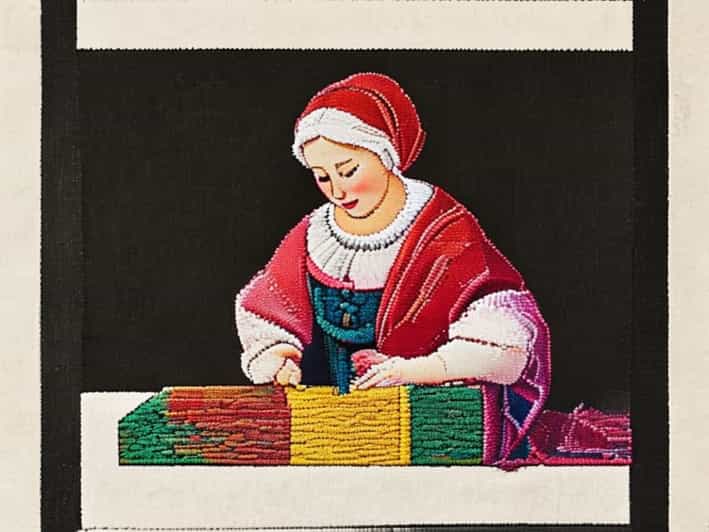
The art of dyeing wool for crewel embroidery has a long and fascinating history in the United Kingdom, dating back to the Renaissance period. During this era, the revival of arts, crafts, and decorative techniques led to a renewed interest in textile artistry, including the intricate work of crewel embroidery. Crewel wool, a fine, twisted yarn used for detailed hand embroidery, became highly valued for its versatility and vibrant colors. Renaissance dyers in the UK developed sophisticated methods to produce a wide range of hues using natural dyes extracted from plants, minerals, and insects. These early techniques laid the groundwork for modern crewel wool production, offering an enduring legacy that combines craftsmanship, historical tradition, and artistic expression.
Historical Background of Renaissance Dyeing in the UK
The Renaissance in the United Kingdom, spanning roughly from the late 15th century to the early 17th century, marked a period of cultural and artistic transformation. Textile production and decoration saw significant advancements, driven by increased trade, wealth, and exposure to continental European techniques. Dyeing wool for embroidery, especially crewel work, became a specialized craft. Artisans experimented with a variety of natural dye sources, each producing distinctive colors that were highly sought after by the nobility and wealthy merchants.
Natural Dyes Used in the Renaissance
During the Renaissance, UK dyers relied primarily on natural materials to color wool. Some of the most commonly used dyes included
- Madder RootExtracted from the Rubia tinctorum plant, madder provided a range of red shades, from soft pinks to deep crimsons.
- WoadA plant-based source of blue dye, woad was essential for creating rich blue tones in wool and was often mixed with other dyes to produce purples.
- Walnut HullsUsed to achieve brown and tan shades, walnut hulls were prized for their earthy, natural colors.
- CochinealImported from the Americas later in the period, cochineal insects produced vibrant reds and were considered highly luxurious.
- Various Leaves and BarksOak galls, sumac, and other plant materials were employed to achieve yellows, greens, and subtle shades when combined with mordants.
Crewel Wool and Its Characteristics
Crewel wool is distinguished by its fine, tightly twisted fibers, making it ideal for detailed embroidery work. The twist allows the yarn to hold its shape while providing a soft yet durable texture for stitching. Renaissance artisans prized crewel wool for its ability to absorb natural dyes evenly, resulting in vibrant, long-lasting colors. The quality of the wool, combined with skilled dyeing techniques, enabled embroiderers to create elaborate patterns featuring floral motifs, heraldic symbols, and geometric designs.
Preparation of Wool for Dyeing
Before dyeing, crewel wool underwent careful preparation. Artisans would first wash the wool thoroughly to remove any natural oils or impurities that could interfere with dye absorption. The cleaned wool was then soaked in a mordant solution, commonly using alum, iron, or tannin-based substances, to fix the dye and enhance color vibrancy. The choice of mordant could also alter the final hue, allowing dyers to create a wider range of shades from a single natural source. Once treated, the wool was ready for immersion in dye baths.
Dyeing Techniques in the Renaissance
Renaissance dyeing was a meticulous process requiring knowledge, patience, and experimentation. Wool was immersed in dye baths for specific periods, with temperature and duration carefully monitored to achieve consistent results. Some techniques involved multiple dye baths to layer colors or achieve subtle gradients. Artisans often used stirring sticks to ensure even color distribution and prevent blotching. The resulting dyed wool exhibited depth and richness that were highly valued for crewel embroidery projects.
Color Fastness and Longevity
The success of Renaissance dyeing was not only measured by the intensity of color but also by its fastness, or resistance to fading over time. Dyers learned which natural substances produced more stable hues and which required careful handling. For instance, madder reds and woad blues were relatively stable, while certain plant yellows faded more quickly unless properly mordanted. The longevity of dyed crewel wool contributed to the enduring appeal of Renaissance embroidery, with many surviving examples still displaying vivid colors centuries later.
Impact on Crewel Embroidery
The availability of brightly dyed crewel wool during the Renaissance significantly influenced the development of embroidery designs in the UK. Artisans could experiment with a broader palette, enhancing the visual complexity of floral, animal, and geometric motifs. Royal and noble households commissioned large-scale embroidery works for wall hangings, clothing embellishments, and ceremonial items. The combination of finely dyed wool and intricate stitching techniques resulted in textiles that were not only decorative but also emblematic of wealth, status, and artistic sophistication.
Modern Revival and Interest
Today, there is renewed interest in Renaissance dyeing techniques and historical crewel wool. Craft enthusiasts and textile historians in the UK study traditional methods to recreate authentic colors and textures. Workshops and educational programs often demonstrate natural dye preparation, mordanting, and wool dyeing, connecting contemporary crafters with the techniques used by Renaissance artisans. Modern dyers may also experiment with historical recipes, adapting them for safe and sustainable use while preserving the aesthetic qualities of original crewel embroidery.
Choosing and Using Renaissance-Style Dyed Wool
For contemporary embroidery projects inspired by Renaissance designs, selecting the right crewel wool and dye is essential. Artisans often look for wool that mimics the weight and texture of historical crewel yarn. When choosing dyed wool, understanding the properties of different natural dyes helps in predicting how colors will blend and age over time. Some artists may also create their own dyes using historical plant materials to achieve period-accurate shades.
Practical Tips for Crafters
- Always pre-wash crewel wool to ensure even dye absorption.
- Use appropriate mordants to enhance color vibrancy and fastness.
- Test small batches of wool in different dye baths to achieve desired shades.
- Consider layering colors or combining dyed strands for richer visual effects.
- Document dye recipes and methods for future reference and consistency.
The tradition of Renaissance dyeing for crewel wool in the UK represents a remarkable blend of art, science, and craftsmanship. The careful selection of natural dyes, precise preparation of wool, and meticulous dyeing techniques allowed artisans to create richly colored, durable yarns that elevated embroidery to a sophisticated art form. The legacy of this period continues to inspire contemporary textile artists who value historical authenticity, sustainability, and creative expression. By understanding and applying Renaissance dyeing methods, modern crafters can experience the beauty and depth of colors that once adorned the halls of nobility and continue to captivate admirers today.
Ultimately, Renaissance dyeing and crewel wool production highlight the enduring relationship between human creativity and natural resources. From the preparation of mordants to the careful immersion of wool in vibrant plant-based dyes, every step reflects a deep understanding of materials and an appreciation for aesthetic excellence. For crafters, historians, and enthusiasts alike, exploring this historical craft offers both a connection to the past and a rich avenue for artistic exploration in the present.