Understanding the nervous system is fundamental to studying human physiology, and one key aspect involves somatic motor neurons. These specialized neurons play a crucial role in transmitting signals from the central nervous system to skeletal muscles, enabling voluntary movement. Platforms like Quizlet often offer study materials that break down the functions, structures, and pathways of somatic motor neurons, making them easier to grasp for students and enthusiasts alike. Learning about how somatic motor neurons innervate muscles helps clarify how the body coordinates precise movements and maintains overall motor control, which is essential in fields ranging from medicine to sports science.
What Are Somatic Motor Neurons?
Somatic motor neurons are nerve cells responsible for sending impulses from the brain and spinal cord to skeletal muscles. These neurons form part of the somatic nervous system, which controls voluntary movements. Unlike autonomic neurons that regulate involuntary functions such as heart rate or digestion, somatic motor neurons allow conscious control over muscle contractions, such as picking up objects, walking, or writing.
Structure of Somatic Motor Neurons
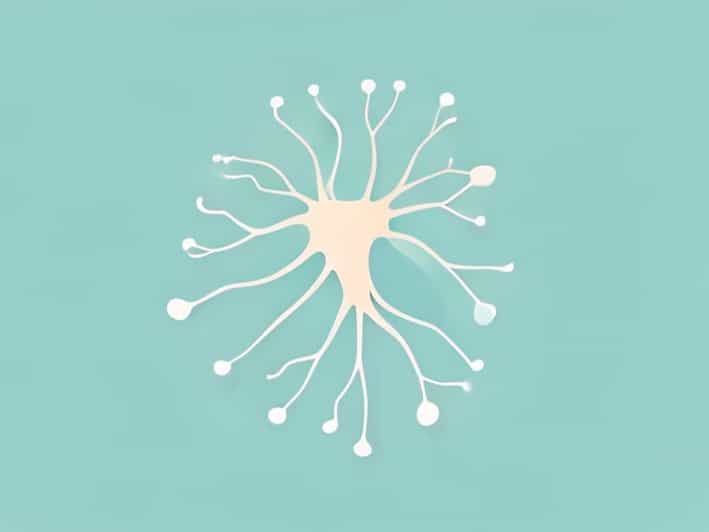
Somatic motor neurons consist of three main parts
- Cell body (soma)Located in the spinal cord or brainstem, the soma contains the nucleus and is responsible for maintaining the neuron’s health and processing information.
- DendritesThese branched projections receive signals from other neurons or sensory inputs and transmit them toward the soma.
- AxonA long, thin projection that carries electrical impulses away from the soma toward the muscle fibers. Axons are often covered with myelin, which speeds up signal transmission.
Innervation of Skeletal Muscles
The primary function of somatic motor neurons is to innervate skeletal muscles, meaning they form connections at neuromuscular junctions that allow muscles to contract. This innervation is highly organized and ensures that each muscle fiber receives signals precisely, resulting in smooth and coordinated movements. When a motor neuron fires an action potential, it releases neurotransmitters such as acetylcholine into the neuromuscular junction, triggering muscle contraction.
Neuromuscular Junctions
Neuromuscular junctions are specialized synapses between a somatic motor neuron and a muscle fiber. They are critical for translating electrical signals into mechanical action. The sequence of events includes
- Action potential traveling down the axon of the motor neuron.
- Release of acetylcholine into the synaptic cleft.
- Binding of acetylcholine to receptors on the muscle cell membrane.
- Depolarization of the muscle fiber and initiation of contraction.
This process occurs rapidly, allowing precise control of muscle movements and adjustments required for balance, posture, and fine motor skills.
Classification of Somatic Motor Neurons
Somatic motor neurons can be categorized based on the type of muscle fibers they innervate. The two main types are
- Alpha motor neuronsThese neurons innervate extrafusal muscle fibers, which are responsible for generating the force necessary for voluntary movement.
- Gamma motor neuronsThese neurons innervate intrafusal fibers within muscle spindles, adjusting muscle sensitivity to stretch and contributing to proprioception and muscle tone regulation.
Alpha Motor Neurons
Alpha motor neurons are the primary drivers of muscle contraction. Each alpha motor neuron can connect to multiple muscle fibers, forming a motor unit. The size of a motor unit varies depending on the muscle’s function; muscles requiring fine control, like those in the fingers, have smaller motor units, while larger muscles used for gross movement, like the quadriceps, have larger motor units.
Gamma Motor Neurons
Gamma motor neurons play a critical role in muscle spindle function. By adjusting the tension in intrafusal fibers, they ensure that muscle spindles remain sensitive to changes in muscle length, providing essential feedback to the central nervous system. This mechanism helps maintain posture and coordination during voluntary movements.
Somatic Motor Neurons and Voluntary Movement
The integration of somatic motor neurons with the central nervous system allows humans to perform deliberate actions. The process begins in the motor cortex of the brain, where voluntary movement is planned. Signals then travel down the spinal cord via descending tracts, reaching the somatic motor neurons. Once the neurons activate, the corresponding muscle fibers contract, producing movement. This pathway is fundamental to all voluntary activities, from walking and running to intricate tasks like playing musical instruments.
Reflexes vs. Voluntary Movements
While somatic motor neurons primarily facilitate voluntary actions, they also participate in reflex arcs. Reflexes are automatic responses to stimuli, such as withdrawing a hand from a hot surface. In such cases, sensory neurons detect the stimulus and directly activate somatic motor neurons in the spinal cord, bypassing the brain for a rapid response. This demonstrates the dual role of somatic motor neurons in both controlled and protective movements.
Quizlet and Learning About Somatic Motor Neurons
Platforms like Quizlet offer interactive tools and flashcards that make it easier to study complex topics such as somatic motor neurons. Students can review terminology, memorize the pathway from the central nervous system to skeletal muscles, and test their understanding of motor neuron types, neuromuscular junctions, and the physiology of muscle contraction. Using Quizlet, learners can
- Study the definitions and functions of alpha and gamma motor neurons.
- Review diagrams of neuromuscular junctions and motor units.
- Test knowledge through practice quizzes and flashcards.
- Understand the integration of sensory and motor pathways for reflexes and voluntary movement.
Effective Study Strategies
To master somatic motor neurons on Quizlet, it is helpful to
- Regularly review flashcards to reinforce memory of key terms and pathways.
- Use diagrams to visualize the connection between neurons and muscle fibers.
- Practice with multiple-choice and fill-in-the-blank quizzes to test comprehension.
- Create mnemonic devices to remember the differences between alpha and gamma motor neurons.
Clinical Relevance
Understanding somatic motor neurons is crucial in clinical settings. Disorders affecting these neurons, such as amyotrophic lateral sclerosis (ALS) or spinal muscular atrophy (SMA), lead to muscle weakness, atrophy, and impaired voluntary movement. Studying these neurons provides insights into diagnosis, treatment, and rehabilitation strategies. Additionally, knowledge of neuromuscular junctions is vital in understanding conditions like myasthenia gravis, where signal transmission from somatic motor neurons to muscles is disrupted.
Therapeutic Applications
Rehabilitation often involves targeted exercises to stimulate motor neurons and preserve muscle function. Advances in neurobiology and electrophysiology, including transcutaneous electrical stimulation, also rely on understanding somatic motor neuron pathways. Learning about these neurons on platforms like Quizlet can be particularly helpful for students in medical, physical therapy, and neuroscience programs.
Somatic motor neurons are essential components of the nervous system that innervate skeletal muscles, enabling voluntary movement and contributing to reflexes. Their structure, including cell bodies, dendrites, and axons, allows precise signal transmission, while their classification into alpha and gamma motor neurons highlights the complexity of motor control. Studying somatic motor neurons on platforms like Quizlet provides learners with interactive tools to visualize pathways, memorize key concepts, and apply their knowledge in clinical and academic contexts. Understanding these neurons not only clarifies how the body moves but also informs approaches to treating neuromuscular disorders, emphasizing the critical role of somatic motor neurons in human physiology.